
Bhopal Gas Tragedy Waste Disposal Finally Underway: What You Need to Know
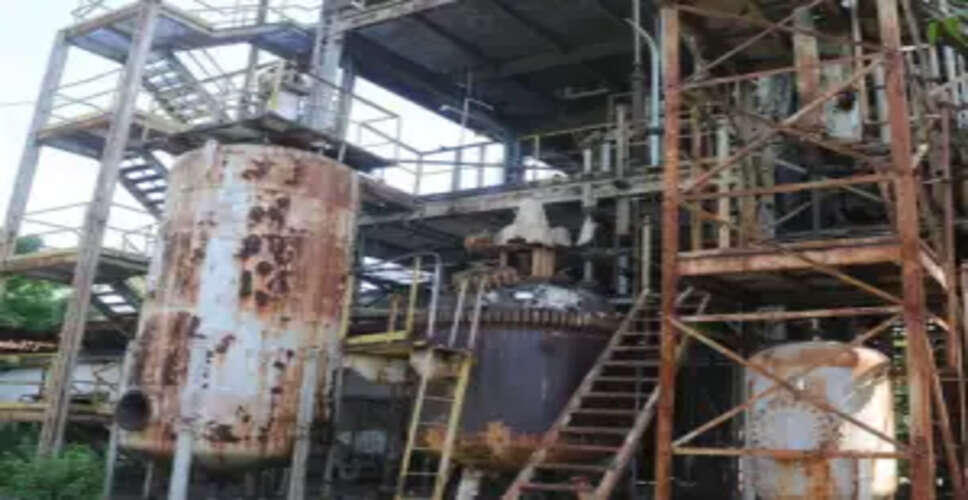
Significant Progress in Toxic Waste Disposal
Bhopal: After years of uncertainty, the process of disposing of 307 tonnes of hazardous waste from the notorious Bhopal gas tragedy has commenced in Pithampur.
The Madhya Pradesh High Court had previously issued orders to initiate this process.
According to a senior official from the MP Pollution Control Board, the incineration began on Monday evening, operating at a rate of 270 kilograms per hour while adhering to environmental safety measures.
A continuous online monitoring system has been established to oversee emissions, ensuring adherence to pollution control standards. The entire disposal operation is expected to take between 50 to 55 days, possibly extending a bit longer.
The toxic waste is being incinerated at a private facility.
To minimize environmental risks, experts are monitoring four critical pollutants: particulate mercury, heavy metals, hydrogen chloride, sulfur dioxide, and carbon monoxide released during the incineration.
Furthermore, air quality monitoring stations have been set up at three locations in Pithampur (near Indore). In addition to the existing station in Tarpura, new monitoring sites in Chirakhan and Bajrangpura became operational on May 4 to enhance oversight.
The catastrophic Bhopal gas incident in 1984 resulted in thousands of fatalities and numerous injuries due to a leak of methyl-isocyanate gas from the factory on the night of December 2-3, 1984.
The toxic waste has remained at the factory site since that time.
The official noted that four monitoring systems have been implemented.
The waste, which had been abandoned at the former Union Carbide facility for nearly four decades, was finally moved to Pithampur from Bhopal in January 2025. Following judicial orders, a phased trial run was conducted prior to the full-scale disposal, marking a crucial advancement in the long-standing battle against industrial pollution.
After a successful trial incineration, the Madhya Pradesh government submitted a report to the High Court in Jabalpur, confirming the completion of the initial phase. Officials informed the court that the incineration process, expected to last 72 days, would be conducted under strict guidelines established by the Central Pollution Control Board to safeguard public health.
Despite these assurances, activists representing Bhopal gas tragedy survivors have expressed concerns regarding potential secondary pollution. They warn that incinerating 300 metric tonnes of toxic waste could generate nearly 900 metric tonnes of residual waste, which may worsen environmental risks if disposed of in landfills. With the next court hearing set for June 30, discussions regarding the long-term ecological consequences of the waste disposal are ongoing.