
Yuddhakaanda: Chapter 2 - A Legal Drama with Mixed Execution
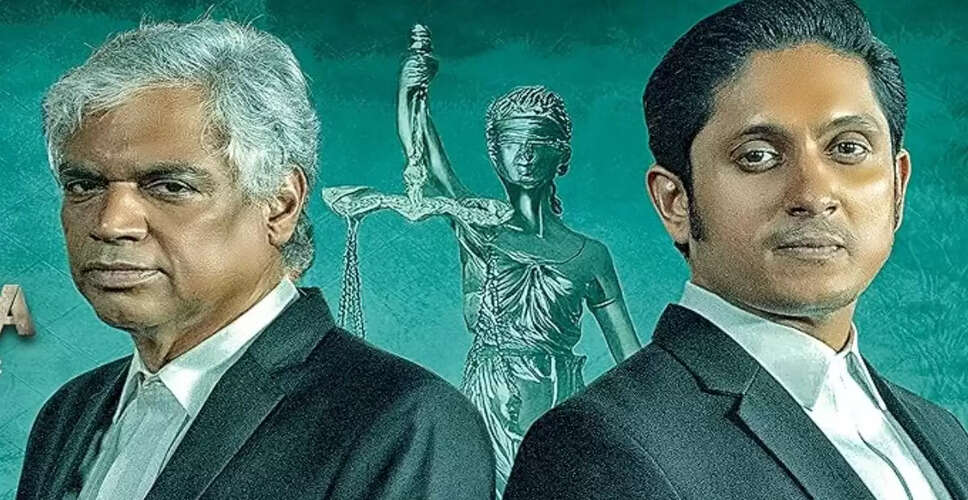
Overview of Yuddhakaanda: Chapter 2
Directed by newcomer Pavan Bhat, Yuddhakaanda: Chapter 2 in Kannada presents an intriguing premise. The film's message advocating for justice for the marginalized against the privileged is unmistakably clear.
However, the execution often feels formulaic and somewhat theatrical. The film attempts to maintain a balanced tone, avoiding the heavy-handedness seen in Tamil cinema, particularly in films like Maharaja that tackle child abuse.
More critically, the storyline and characters bear a striking resemblance to the recent Telugu courtroom drama, State Vs A Nobody, which also showcased deep empathy for a victim facing legal challenges. In both films, a novice lawyer takes on a POCSO case, but the latter handles its themes with greater maturity.
Yuddhakaanda: Chapter 2 appears overly eager to convey its message, reminiscent of a student tasked with writing an essay on law and social justice. The protagonist, Bharath (played by Ajai Rao), is tasked with seeking justice for a mother (Archana Jois) whose child has been victimized.
While the narrative avoids being patronizing or sensational, it lacks subtlety, often resembling a melodrama. The courtroom scenes feel like amateur theatre performances, and during the climactic moments, the lead character presents himself as a larger-than-life figure, while the judge struggles to maintain composure.
Despite its flaws, Yuddhakaanda: Chapter 2 possesses a genuine sincerity that helps it navigate through uneven moments, including a poorly developed romantic subplot and the character of super-lawyer Robert D’Souza (Prakash Belawadi), who defends a powerful paedophile while indulging in opera music.
In a notable scene, the brother of the accused asks D’Souza to turn off the music, highlighting the lawyer's detached demeanor. This character serves as a caricature of the elite, illustrating the unscrupulous nature of the wealthy in such narratives.
Ultimately, this film presents a broad morality tale that offers little new insight into the judicial system.