
Why India is Exiting All Asian Cricket Council Events Amid Rising Tensions
BCCI Withdraws from ACC Events
The Board of Control for Cricket in India (BCCI) has announced its decision to withdraw from all events organized by the Asian Cricket Council (ACC), primarily due to escalating tensions with Pakistan. The BCCI has expressed concerns regarding the leadership of the ACC, which is currently held by Pakistan’s Interior Minister Mohsin Naqvi.
Naqvi, who also holds the position of chairman of the Pakistan Cricket Board (PCB), was appointed as ACC president earlier this year.
A source from the BCCI indicated that India feels it cannot participate in tournaments overseen by a sitting minister from Pakistan, reflecting the current public sentiment in the country.
The BCCI has communicated its withdrawal from the upcoming Women’s Emerging Teams Asia Cup, as confirmed by a senior official who requested anonymity.
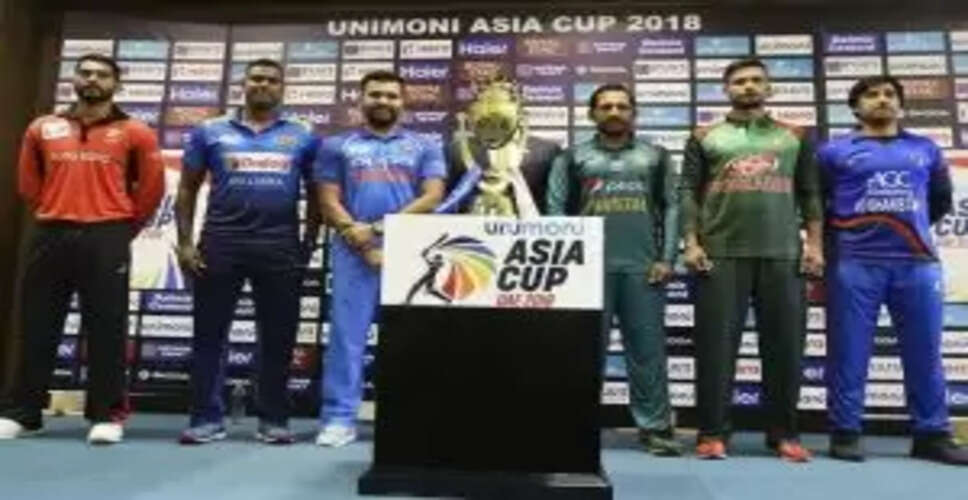
This decision raises questions about the future of the Men’s Asia Cup, which is set to take place in India this September. The tournament, featuring teams from Pakistan, Bangladesh, Afghanistan, and Sri Lanka, may face postponement or cancellation.
India's absence would significantly diminish the Asia Cup's commercial viability, as many major sponsors in international cricket are Indian firms. Additionally, matches between India and Pakistan are known for attracting the highest television ratings.
Sony Pictures Networks India secured the broadcast rights for the Asia Cup for eight years starting in 2024, in a deal valued at $170 million. Any changes to the tournament schedule could necessitate a renegotiation of this contract.
Revenue from the ACC is distributed equally among its five full members—India, Pakistan, Bangladesh, Sri Lanka, and Afghanistan—each receiving 15%. The remaining funds are allocated to associate and affiliate members.
India's involvement in the 2023 Asia Cup and the 2024 ICC Champions Trophy, both hosted by Pakistan, has also been fraught with political issues. In these instances, India opted for hybrid models, playing its matches at neutral venues in Sri Lanka and Dubai, respectively. India emerged victorious in both tournaments, while Pakistan did not reach the finals.