
Understanding the Demands of MLP Players in Pickleball

The Intense Schedule of MLP Athletes
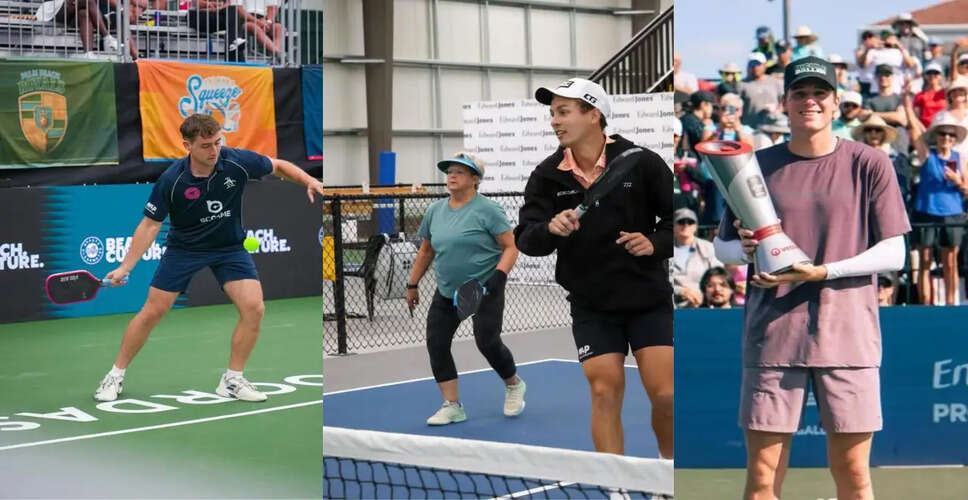
Observing an MLP lineup reveals a pattern that often goes unnoticed. The same athletes frequently compete in multiple matches across various formats within a single evening. For instance, during Thursday's Grand Rapids event, Dylan Frazier represented Miami in men's doubles against New Jersey's Noe Khlif and Will Howells, and shortly after, he was back on the court for mixed doubles 1 alongside Isabella Dunlap. Similarly, Roscoe Bellamy from Las Vegas transitioned from men's doubles to mixed doubles 1 against Dallas without much downtime. Connor Garnett also managed to play both men's doubles and mixed doubles 1 for Utah against Columbus Sliders, adapting to a new partner in just about 20 minutes. This all occurs before considering the possibility of a DreamBreaker decider, which could lead to some players appearing on the court for a fifth time in one night.
It's easy to focus solely on the scores and overlook the physical demands placed on these athletes. Competing in three or even four matches, adjusting to different partners and strategies, and facing various opponents—all within a few hours and with minimal recovery time—takes a significant toll. As pickleball continues to gain popularity and attract larger audiences, the athletes managing such intense schedules often go unrecognized. While the final score indicates the winner, it fails to reflect the effort and endurance required to achieve that victory. This might be linked to scheduling practices, but in a sport that prioritizes results, discussions about workload management are seldom held. A conversation about pickleball may be necessary soon.