
Ujjain Religious Leaders Threaten IPL Matches Over Bangladeshi Player's Participation
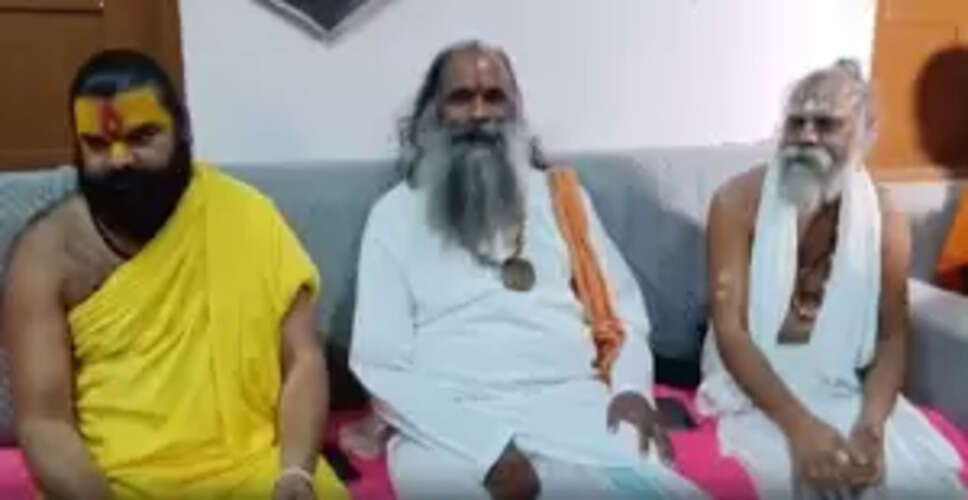
Ujjain's Warning Against IPL Matches
Ujjain: Religious figures in Ujjain have issued a serious warning regarding the Indian Premier League (IPL), threatening to damage cricket pitches if Bangladeshi bowler Mustafizur Rahman is permitted to play.
This warning arises from escalating anger over recent violent incidents targeting Hindus in Bangladesh, particularly two lynchings linked to blasphemy accusations.
Seers, including Mahavir Nath, the chief priest of the Rinmukteshwar Mahadev Temple, informed the media that ascetic warriors plan to invade stadiums to halt matches featuring the Bangladeshi player. They accuse officials of neglecting the 'persecution' of Hindus in Bangladesh while allowing its cricketers to compete in India. Other religious groups have echoed this sentiment.
The situation escalated when Kolkata Knight Riders signed Mustafizur Rahman, the only Bangladeshi player selected in the latest IPL auction, for a staggering Rs 9.20 crore. Social media campaigns have emerged urging fans to boycott KKR, with many expressing that this decision is a 'slap in the face of every Hindu' amid reports of violence against minorities.
The violent incidents in Bangladesh have intensified public outrage. On December 18, in Bhaluka Upazila, Mymensingh district, a 27-year-old Hindu garment worker named Dipu Chandra Das was accused by Muslim colleagues of making offensive remarks about Prophet Muhammad during a World Arabic Language Day event.
He was forcibly taken from his workplace at Pioneer Knit Composite Factory, brutally assaulted by a mob, hanged from a tree, and his body was subsequently burned beside a highway.
Investigations revealed no substantial evidence of blasphemy, leading to the arrest of several individuals by the Rapid Action Battalion (RAB). The interim government, led by Muhammad Yunus, condemned the incident but labeled it as isolated, amidst ongoing unrest following the death of a notable youth leader.
Just days later, on December 24, another Hindu man, 29-year-old Amrit Mondal (also known as Samrat or Amit Mondal), was lynched in Rajbari's Pangsha sub-district over extortion allegations. Villagers attacked him, and although police managed to rescue him in critical condition, he later died in the hospital.
Dhirendra Shastri, the spiritual leader of Bageshwar Dham, condemned these attacks as 'unfortunate' during a visit to Raipur, warning that without government intervention, Hindus in Bangladesh could face extinction.
He called for the deportation of Bangladeshi infiltrators in India and urged for robust measures to safeguard minorities abroad, stating, 'If Hindus there are not safe, they should be given refuge here.' These events have further strained India-Bangladesh relations, with India expressing serious concern over the documented violence against minorities. Hindu nationalist groups in India have organized protests, while Bangladeshi authorities have made arrests in connection with these cases.