
Transforming Quebec Churches into Pickleball Venues: A Unique Revival
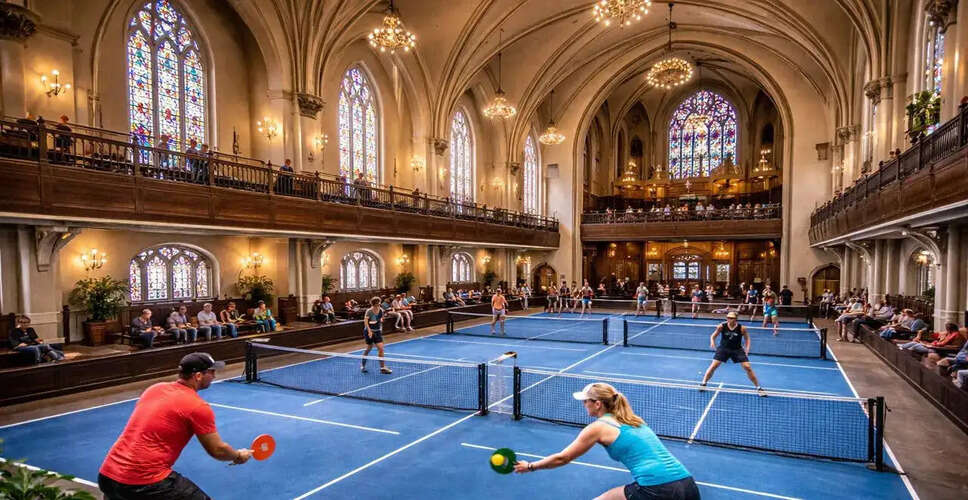
Revitalizing Unused Churches for Pickleball
The surge in pickleball's popularity is leading to a remarkable change in Quebec, where abandoned churches are being repurposed into playing facilities while maintaining their historical essence. One notable example is the Saint-Clément Church in Montreal, which has remained vacant for 15 years and is now slated for redevelopment as part of the Amen Pickleball initiative. This project aims to create several courts within the church while preserving its architectural integrity.
Investor Jean-Martin Bisson expressed concern over the fate of churches in Quebec, stating, “It’s disheartening to see them close and fall into disrepair, especially with the government stepping back from restoration efforts.” Currently, around 800 churches in the province are either closed, up for sale, or being repurposed. While some have been transformed into residential or cultural spaces, the Amen Pickleball model emphasizes minimal alterations.
Bisson noted, “We’ve preserved the stained-glass windows, ceilings, and many original features, even keeping the church's name intact.” The first successful conversion took place in Chambly, where three pickleball courts now occupy the nave of a church built in the 1950s. At Saint-Clément, developers plan to install up to five courts.
This initiative focuses on accessibility and community engagement. The report highlights that pickleball allows individuals of all ages and skill levels to play together on the same court, showcasing its appeal across generations. However, the renovation of Saint-Clément is complicated by structural issues. Bisson stated, “If we receive the green light, our main goal will be to ensure the building is heated and secure to preserve it. Another harsh winter could lead to significant damage.”
Developers are also keen on maintaining the community ties surrounding these sites. Jonathan Samson mentioned, “We aim to keep the local connection alive,” referring to the ongoing Knights of Columbus meetings at the Chambly site. The interiors are being redesigned to merge sports and leisure, with former choir lofts transformed into relaxation areas, original oak benches repurposed, and a casual ambiance created.
Samson described the atmosphere as reminiscent of a 1950s club, saying, “The essence of the place reflects what pickleball would feel like in the world of Mad Men.” Additional features will include spaces for children and exclusive member galleries with lockers and juice bars overlooking the courts. However, not every element could be preserved. Samson humorously noted, “We wished to keep the church bell, but that wasn’t feasible!” referring to the idea of using a bell to signal the end of play sessions.
Construction in Chambly has been underway for two years, with window replacements and heating system checks completed. For Saint-Clément, the goal is to open by 2027, contingent on securing the building. Church officials have expressed support for the initiative. Stefano Marone from the Roman Catholic Real Estate Corporation of Montreal remarked, “It’s a fascinating idea. While we can’t convert all churches this way, it’s a creative solution.” He added that proceeds from the sale would fund urgent repairs for the Church of the Most Holy Name of Jesus.
For developers, the vision is about revitalization rather than replacement. Bisson emphasized, “We’ll need to adopt a similar approach for Saint-Clément.” The overarching goal is straightforward: “To thrive, churches must re-establish their presence at the heart of the communities that built them.”