
The Urgent Need for Eye Protection in Pickleball Amidst Its Rapid Growth
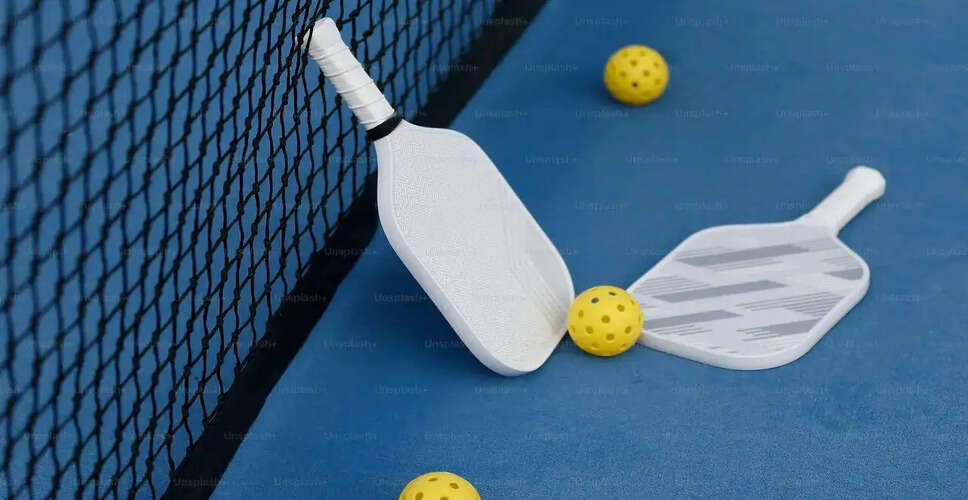
Rising Popularity of Pickleball and Eye Safety Concerns
Pickleball has quickly transformed from a local hobby into a worldwide sporting sensation. With courts bustling and tournaments on the rise, players of all ages are drawn to the sport's fast-paced rallies. However, as participation increases, eye care professionals are raising alarms about a critical safety measure that is often neglected, which could lead to serious injuries.
A recent study published in JAMA Ophthalmology highlighted a concerning trend: many pickleball players are not using protective eyewear, despite the growing risk of injuries. This disconnect between medical advice and actual practices on the court is particularly alarming in one of the fastest-growing sports in the U.S.
The research analyzed footage from 175 professional players and surveyed 148 amateur participants regarding their eyewear habits. Among the professionals, only 20% were found to wear protective eyewear, while amateur players reported a slightly better rate of 45.27%. This significant difference indicates that the visibility of elite players has not effectively encouraged safer practices.
Interestingly, many amateur players who did wear eye protection relied on regular prescription glasses instead of specialized protective eyewear. Experts warn that standard glasses are not built to withstand high-impact forces and could shatter, potentially leading to worse injuries. Protective goggles made from polycarbonate materials are recommended for safeguarding against fast-moving balls and paddle strikes.
Usage of protective eyewear also varied based on players' experience levels. Advanced amateurs reported a 53.97% usage rate, while only 11.11% of beginners wore protection. Researchers noted that familiarity with the sport and awareness of previous injuries likely influenced these numbers.
Players who chose to wear protective eyewear cited awareness of injury risks and personal experiences with eye injuries as motivating factors. Conversely, those who opted out often mentioned discomfort or a lack of awareness regarding the potential for eye trauma.
Ophthalmologists have pointed out that injuries in pickleball can range from minor corneal abrasions to severe cases like retinal detachment. Even minor injuries can lead to long-term issues such as glaucoma or cataracts. As participation in pickleball grows, so do emergency room visits related to eye injuries, highlighting the need for preventive measures.
Unlike sports like squash, which have strict eyewear regulations, pickleball currently lacks standardized requirements in many leagues. The study advocates for clearer regulations mandating protective eyewear, especially in competitive environments, along with educational campaigns to raise awareness about the importance of eye safety.
As pickleball continues to gain popularity, experts emphasize that safety standards must keep pace to ensure that the excitement of the sport does not compromise players' long-term vision health.