
The Shift Towards Indoor Pickleball in India: A Growing Trend

The Rise of Indoor Pickleball
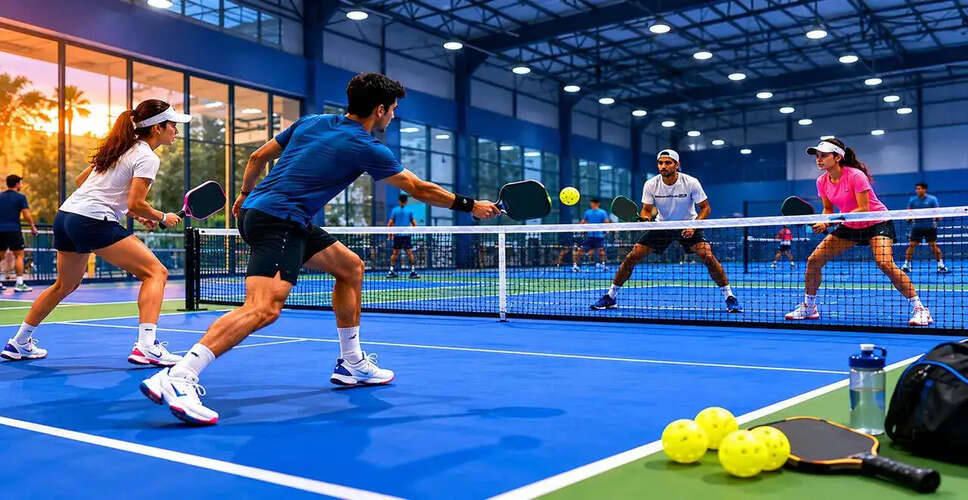
India is witnessing a remarkable surge in pickleball's popularity, with new courts emerging in major urban areas. Weekend tournaments are rapidly filling up, and corporate leagues, coaching academies, and community groups are drawing in players who have recently taken up the sport. A notable trend is the increasing preference for indoor courts, which initially arose as a response to the sweltering summer heat but is now transforming the way pickleball is played, taught, and developed nationwide.
Climate Influences on Pickleball
Recent years have recorded some of the highest temperatures in India, exacerbated by climate change and the recurring El Nino phenomenon. During the last Super El Nino cycle, several cities faced prolonged heatwaves, with temperatures soaring above 45 degrees Celsius in northern and central regions. The challenges of outdoor activities have become increasingly apparent, particularly for pickleball, which is typically played on hard courts with minimal shade. Unlike sports like cricket and football, where players can take breaks, pickleball matches often require players to engage for extended periods, raising concerns about heat exhaustion and dehydration.
From Convenience to Necessity
Initially, outdoor courts were the norm as pickleball gained traction in India, with clubs utilizing unused tennis courts and school fields. However, as participation surged, players began seeking better conditions for their games. Indoor venues offer a level of consistency that outdoor settings cannot provide, eliminating issues like intense sunlight, wind, and sudden weather changes. This consistency is crucial for serious players and can significantly influence whether newcomers continue with the sport.
Enhanced Training Conditions
Many coaches now advocate for indoor courts as the optimal environment for skill development. The consistent ball movement and controlled lighting enhance visibility, allowing players to focus on their game without the distractions of changing weather. This predictability facilitates practice of various techniques, making it easier for players to track their progress and improve their skills.
Investment in Indoor Infrastructure
Investment in indoor pickleball facilities is increasing in cities like Delhi-NCR, Bengaluru, Hyderabad, Mumbai, Pune, and Chennai. Dedicated venues are replacing makeshift courts, and private sports centers are allocating more space for pickleball. This trend mirrors developments seen in the United States and parts of Europe, indicating a growing need for infrastructure as participation rises.
Appeal Beyond Professionals
The indoor movement is not limited to serious athletes; casual players are also making the switch. Many prefer the comfort of indoor facilities, which reduce fatigue and minimize sun exposure risks. Families, seniors, and working professionals often favor temperature-controlled environments, making indoor venues appealing to a broader audience.
Community and Social Interaction
Modern indoor facilities are evolving into social hubs, hosting coaching clinics, leagues, tournaments, and community events. Beginners find it easier to access structured training, while experienced players can engage in regular competition. The controlled environment allows for year-round events, enhancing accessibility and fostering community connections.
Challenges Ahead
Despite the growth of indoor pickleball, challenges remain. The costs associated with building and maintaining indoor facilities can be significant, and rental rates are typically higher than those for public outdoor courts. Smaller cities are still developing their infrastructure, which poses accessibility issues. However, many operators believe that the demand will continue to support further development, as players are willing to invest in better conditions.
Looking to the Future
India's pickleball journey is just beginning, with participation steadily increasing and new tournaments launching almost monthly. International companies are entering the market, and local entrepreneurs are investing heavily in infrastructure. As climate realities prompt sports organizers to rethink how and where the game is played, the growth of indoor pickleball signifies a broader evolution of the sport. With rising temperatures and growing player demands, indoor courts are becoming the preferred choice for training, competition, and community engagement, suggesting that the future of pickleball in India may very well be played indoors.