
The Impact of T20 Leagues on Early Retirements in Cricket
Recent Trends in Cricket Retirements
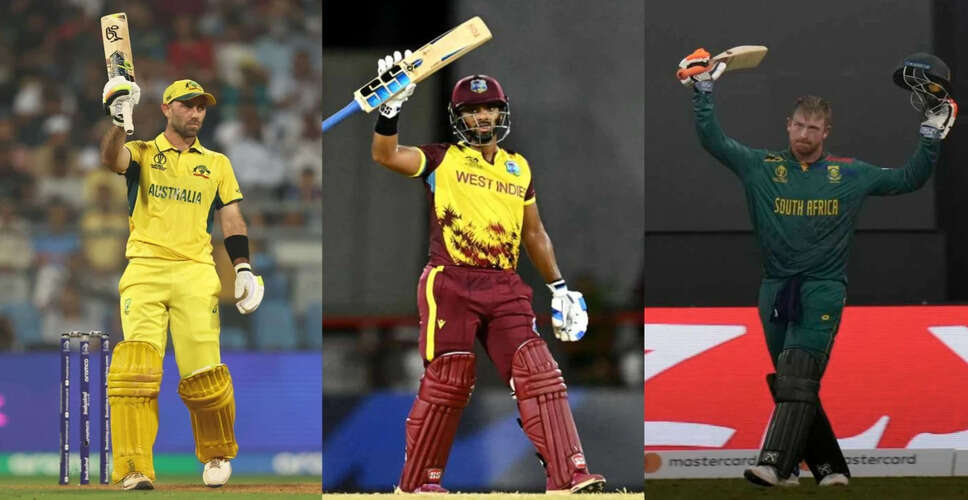
In recent years, several prominent cricketers have surprised fans by retiring from international cricket earlier than anticipated. Notable names like Glenn Maxwell (ODIs), Heinrich Klaasen (all formats), and Nicholas Pooran (who retired at just 29) have made headlines with their unexpected decisions.
Nicholas Pooran's Unexpected Departure
Nicholas Pooran, a dynamic left-handed wicketkeeper-batter and former captain of the West Indies, announced his retirement from international cricket on June 10, 2025, despite being in excellent form. With over 4,000 runs from 61 ODIs and 106 T20Is, he was a key player for his team, even leading them in 30 T20 matches. However, after stepping down as captain post the 2021 T20 World Cup, his presence in the squad diminished.
The Debate: Are T20 Leagues to Blame?
Pooran's retirement has ignited discussions about whether T20 leagues, particularly the IPL, are influencing players to leave international cricket prematurely. His heartfelt retirement message expressed gratitude to fans and teammates, yet raised questions about the timing of his decision.
The Allure of T20 Leagues
Pooran is not alone in this trend. Glenn Maxwell has also retired from ODIs, while Heinrich Klaasen has stepped away from all international formats. Both continue to participate in lucrative T20 leagues such as the IPL, SA20, and BBL. This shift suggests that franchise cricket is becoming increasingly attractive compared to national representation.
Reasons Behind Early Retirements
Financial Incentives
The financial rewards in T20 leagues are substantial, with even bench players earning significant sums. For many cricketers, especially those from less prominent cricketing nations, a single IPL contract can surpass their earnings from years of international play. For instance, Klaasen and Pooran were retained for INR 23 crore and INR 21 crore, respectively, ahead of IPL 2025, making franchise cricket a priority.
Less Travel and More Family Time
International cricket often involves extensive travel and demanding schedules. In contrast, T20 leagues typically last only two to three months, allowing players to earn well while spending more time with their families.
Mental Health Considerations
Players like Ben Stokes, Glenn Maxwell, and Quinton de Kock have highlighted the mental strain associated with international cricket. The pressure to perform, coupled with media scrutiny, often leads players to prefer leagues where expectations are lower, promoting better mental health.
Physical Demands of Multiple Formats
Competing in all three formats—Tests, ODIs, and T20Is—requires immense physical and mental endurance. Many players, including Maxwell and Trent Boult, now opt to focus on T20 leagues, skipping certain formats to prolong their careers.
Conflicts with Cricket Boards
Several West Indies players, including Chris Gayle and Kieron Pollard, have faced disputes with their cricket board regarding pay and selection policies. Pooran himself hinted at disagreements when he requested not to be selected for ODIs against England before his retirement.
A Broader Trend Beyond West Indies
This trend is not limited to West Indies players. Cricketers from Australia, South Africa, and New Zealand are also prioritizing T20 leagues over international commitments. Notable early retirees include:
- Trent Boult (New Zealand) - Opted out of a central contract to play T20 leagues.
- Quinton de Kock (South Africa) - Retired from Tests in 2021 and ODIs in 2023.
- Marcus Stoinis (Australia) - Retired from ODIs to focus on T20 cricket.
- Glenn Maxwell (Australia) - Stepped back from ODIs to prepare for the T20 World Cup.
- Heinrich Klaasen (South Africa) - Cited family reasons for retiring from international cricket.
- Angelo Mathews (Sri Lanka) - Retired from Test cricket to pave the way for younger players.
All these players remain active in various T20 leagues worldwide.
Implications for International Cricket
The rising trend of retirements signals a shift in preference towards franchise cricket over international representation. With better financial rewards, reduced pressure, and more manageable schedules, players are reevaluating their futures.
However, this raises concerns about the future of international cricket. Will top talents continue to participate in national teams and tournaments as more players opt for franchise cricket?
Conclusion
Nicholas Pooran's retirement exemplifies a growing trend among elite cricketers who now view leagues like the IPL as a more viable career option than international cricket. The motivations are clear: higher earnings, reduced stress, fewer injuries, and increased family time.
As this pattern of early retirements persists, cricket boards must reconsider their approaches to player contracts, match schedules, and support systems. Failure to adapt may result in national teams struggling to retain their best players.
Thus, the influence of the IPL and other T20 leagues is undeniably a significant factor in the recent wave of early retirements from international cricket.