
The Growing Community of Pickleball: Balancing Popularity and Accessibility

The Essence of Pickleball
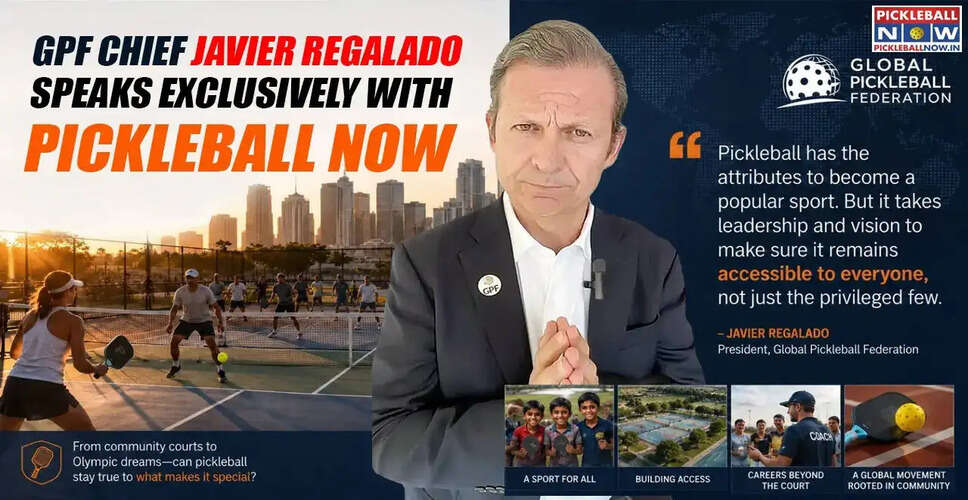
In cities like Gurugram and Mumbai, weekends see many pickleball enthusiasts hitting the courts, primarily for enjoyment rather than professional aspirations. As we delve deeper, the sport reveals a less glamorous side. For many working individuals, a few hours of pickleball serves as a stress reliever, injecting fun into their otherwise hectic lives. Retirees engage in friendly debates over scores, treating each match with exaggerated seriousness, while teenagers may find themselves frustrated over missed shots. This environment fosters camaraderie rather than elitism or Olympic ambitions. Javier Regalado, president of the Global Pickleball Federation (GPF), believes this sense of community is pickleball's true strength, which is at risk as the sport gains recognition and legitimacy.
What Sets Pickleball Apart from Other Racquet Sports
Why Pickleball Is Different From Other Racquet Sports
Regalado emphasizes the importance of making pickleball accessible to all, stating, "We need to break the barriers. In many regions, racquet sports are seen as elite. Pickleball, however, has the potential to be a widely embraced sport." He highlights that the term 'popular' carries significant weight, suggesting that pickleball should be inclusive and community-oriented rather than exclusive and commercial. The sport should prioritize participation over skill, ensuring that it remains open to everyone. If pickleball evolves into an elite sport with costly facilities, it risks alienating the very individuals who contributed to its growth.
Navigating Political Fragmentation in Pickleball
Does Pickleball Risk Political Fragmentation?
As pickleball becomes more refined, with the emergence of franchise leagues and premium facilities, concerns about political fragmentation arise. Regalado remains optimistic, asserting that there is room for everyone within the sport. He envisions a future where various organizations cater to different levels of play, from professional competitions to amateur leagues. The GPF is currently working towards broader recognition and legitimacy, collaborating with various stakeholders to ensure that pickleball remains accessible to all.
Beyond Competition: The Broader Impact of Pickleball
Why Opportunities In Pickleball Go Beyond Playing
Regalado frequently refers to the 'pickleball family' and the myriad opportunities the sport presents beyond just competition. He believes that pickleball fosters community and cultural identity, which can lead to numerous opportunities for individuals, even those who may not excel in the sport. This perspective is particularly relevant in countries like India, where access to sports can be influenced by socioeconomic factors. Regalado acknowledges the challenges of ensuring that pickleball remains inclusive and accessible, emphasizing the importance of community building around the sport.
Ultimately, the future of pickleball may not be defined by medals or financial success, but by its ability to create a welcoming environment for everyone, from office workers to retirees, ensuring that the courts remain a space for all.