
The Art of LBW: Top 10 Bowlers in Test Cricket History

Understanding the LBW Dismissal
In the captivating world of cricket, few dismissals are as satisfying as the leg-before-wicket (LBW). This term encapsulates the pinnacle of bowling finesse—where line, length, and movement converge to deceive batsmen into positioning themselves in front of their stumps. Throughout the extensive history of Test cricket, certain bowlers have perfected this craft with remarkable skill.
The Elite Bowlers: A Closer Look
The list of the Top 10 Bowlers with the Most LBW Wickets in Test Cricket showcases a variety of bowling techniques, all linked by their exceptional ability to consistently target the stumps. From Anil Kumble's relentless accuracy to Muttiah Muralitharan's enigmatic spin, these legends understood that the quickest path to taking wickets often involves outsmarting the batsman.
Top 10 Bowlers with Most LBW Wickets in Test Cricket History
Detailed Analysis of the Top Bowlers
Anil Kumble (India)
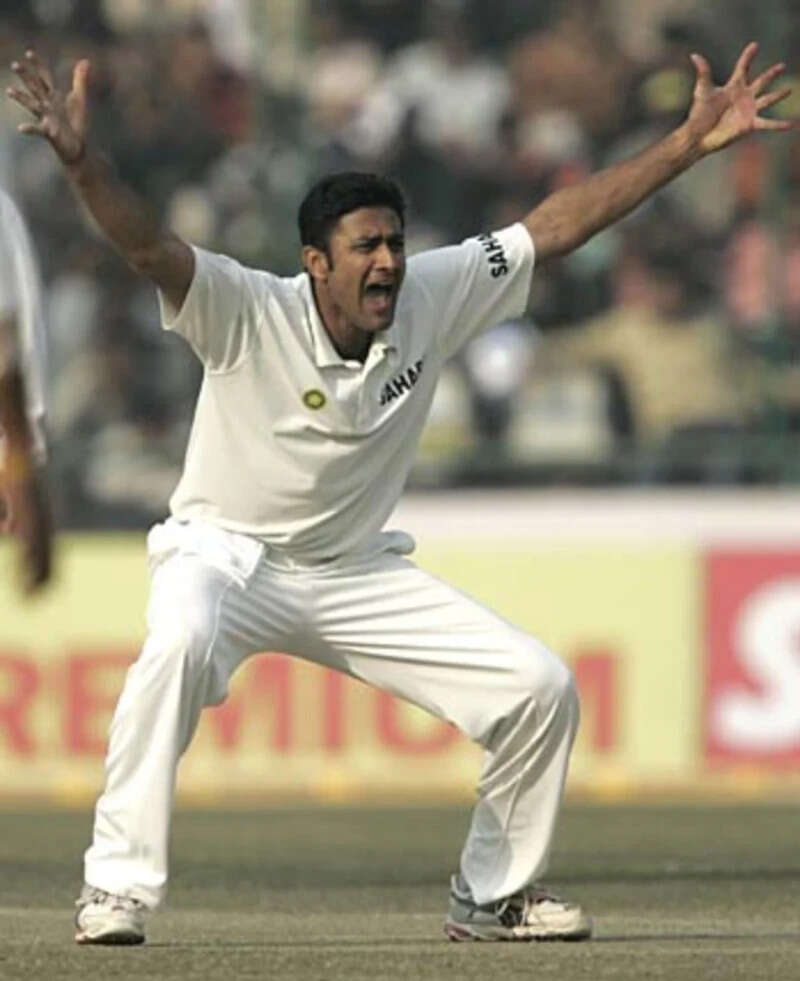 Image Source : AFP
Known as "Jumbo," Kumble stands tall in the realm of LBW dismissals, showcasing an almost supernatural level of accuracy. His unique bowling style, more akin to a catapult than traditional spin, generated bounce and precision that often left batsmen stranded. With 156 LBWs from 619 Test wickets, his relentless pursuit of excellence is evident. Unlike typical spinners who rely on turn, Kumble's variations in pace and bounce were key to his success.
His straight deliveries often skidded through, catching batsmen off guard who anticipated turn. Kumble's pinpoint accuracy allowed him to repeatedly target the same area, applying pressure until batsmen made mistakes. For him, LBW dismissals were not merely statistics; they were psychological tools used to dismantle batting partnerships.
Muttiah Muralitharan (Sri Lanka)
 Image Source : AFP
Muralitharan, the sport's leading wicket-taker, possessed an extraordinary ability to manipulate the ball. His career statistics reflect 150 LBWs out of 800 Test wickets, showcasing his command over spin and deception. With his doosra and off-breaks, he created trajectories that left even the most experienced batsmen guessing. His flexible wrist allowed for significant revolutions, making it challenging to predict bounce.
Although his LBW count may appear lower than others, it highlights his skill in outmaneuvering batting techniques.
Shane Warne (Australia)
 Image Source : Reuters
Warne transformed LBW dismissals into strategic masterpieces. With 138 LBWs, his spin and drift created numerous opportunities for dismissals. His famous "Ball of the Century" exemplified his craft, showcasing his ability to deceive batsmen with significant turn.
Warne's variations kept batsmen in a constant state of uncertainty, allowing him to set them up for LBW dismissals well in advance.
Wasim Akram (Pakistan)
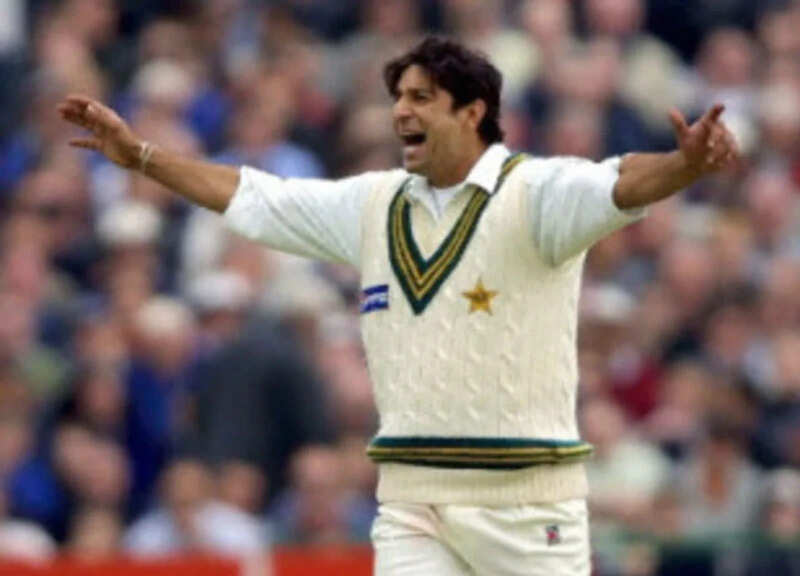 Image Source : AFP
The "Sultan of Swing" wielded his left-arm deliveries with devastating effect. Akram's 119 LBWs from 414 Test wickets highlight his impressive LBW percentage of 28.74%. His ability to reverse swing at pace made him a nightmare for batsmen trying to read his line.
His yorkers were legendary, but his tactical approach to LBWs showcased his understanding of the game.
Ravichandran Ashwin (India)
 Image Source : Getty Images
Ashwin represents the modern evolution of spin bowling. With 117 LBWs from 537 Test wickets, his analytical approach combines traditional techniques with data-driven insights. His variations keep batsmen guessing, and his ability to generate bounce on subcontinental pitches makes him particularly effective.
Ashwin's LBW dismissals often result from subtle changes in pace and line, showcasing his strategic prowess.
Glenn McGrath (Australia)
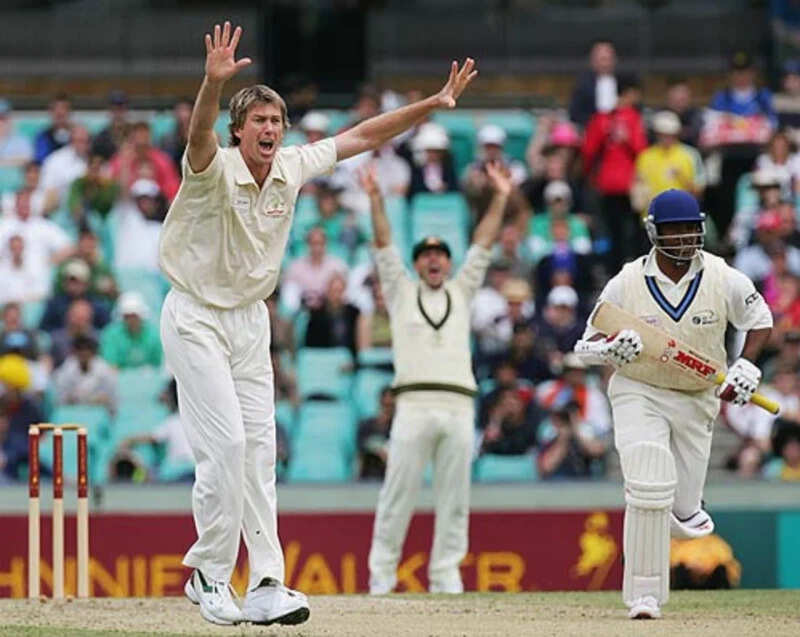 Image Source : Getty Images
McGrath, known as "Pigeon," exemplified precision in wicket-taking. His 113 LBWs from 563 Test wickets demonstrate the effectiveness of consistent line and length. His ability to hit the same spot repeatedly forced batsmen into tough decisions.
McGrath's subtle seam movement and natural bounce made him a formidable opponent, proving that success in fast bowling is about strategy rather than just speed.
Kapil Dev (India)
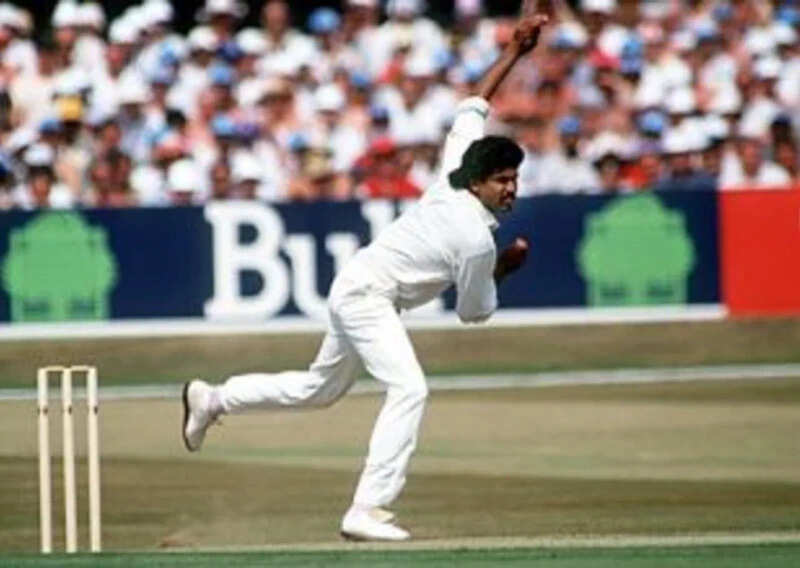 Image Source : Getty Images
Kapil Dev, India's first pace bowling icon, combined swing with tactical intelligence. His 111 LBWs from 434 Test wickets reflect his adaptability to subcontinental conditions. His outswing to right-handers and inswing to left-handers created natural LBW chances.
Kapil's stamina allowed him to bowl long spells, gradually wearing down batsmen until they made mistakes.
Waqar Younis (Pakistan)
 Image Source : Reuters
Waqar Younis, known for his yorkers, achieved 110 LBWs from just 373 Test wickets, boasting an impressive 29.49% LBW ratio. His ability to swing the ball at high speeds made him a dual threat.
Waqar's aggressive mindset meant he was always on the hunt for wickets, making him a relentless competitor.
Rangana Herath (Sri Lanka)
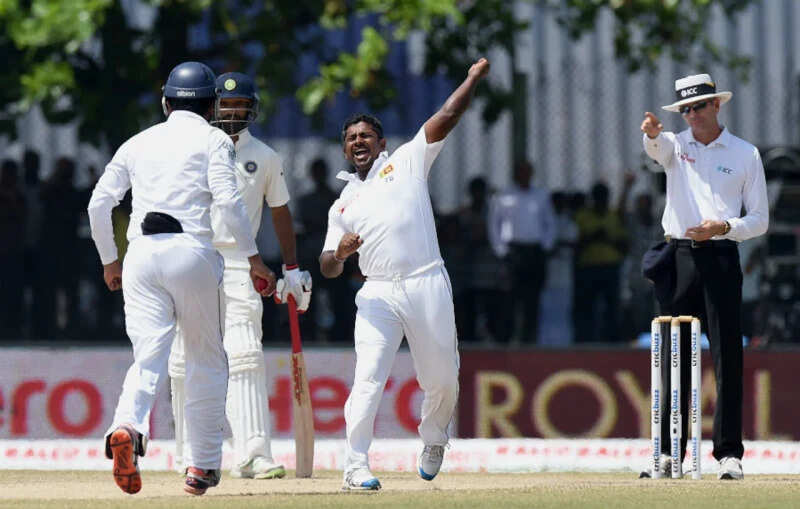 Image Source : AFP
Herath, the astute left-arm spinner, demonstrated that intelligence can surpass raw talent. With 108 LBWs from 433 Test wickets, his strategic variations kept batsmen guessing.
Herath's ability to extract turn from seemingly benign surfaces made him particularly effective in home conditions.
Stuart Broad (England)
 Image Source : Getty Images
Stuart Broad's impressive tally of 101 LBWs from 604 Test wickets marks a significant achievement in his career. His evolution from a raw pace bowler to a strategic player is evident in his statistics.
Broad's height and aggressive bowling style created numerous LBW opportunities, showcasing his effectiveness in various conditions.
Conclusion
The Top 10 Bowlers with the Most LBW Wickets in Test Cricket History are not just exceptional bowlers; they are strategic masterminds. From Kumble's relentless accuracy to Waqar's lethal yorkers, each bowler has mastered the art of dismantling batting defenses. Their combined total of 1,333 LBW dismissals tells a story of patience, artistry, and strategic brilliance.
These legends understood that achieving an LBW required a perfect blend of line, length, and movement. Whether through spin, swing, or seam, they consistently trapped batsmen in front of their stumps. Their legacies continue to inspire today's bowlers to pursue the perfect LBW, a hallmark of bowling excellence.