
Shubman Gill's Leadership Journey: A Crucial Test for India's Young Captain
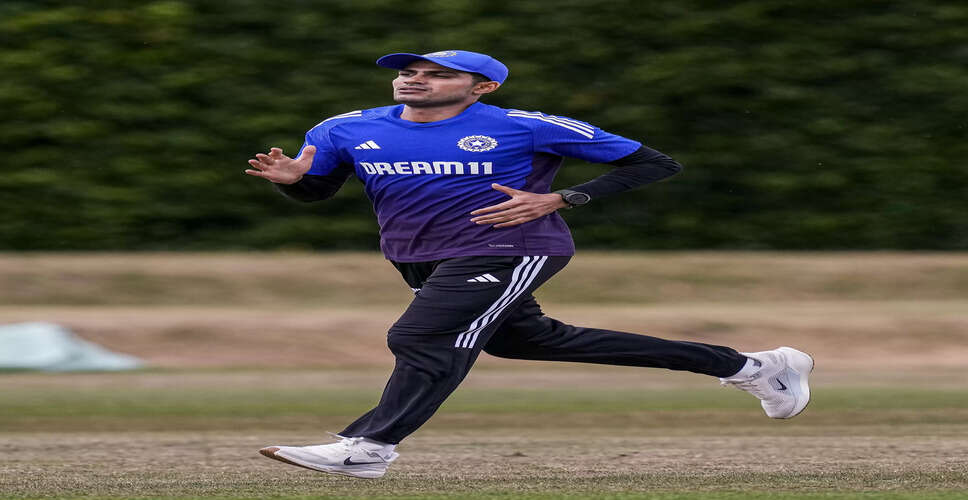
The Challenge Ahead for Shubman Gill
Greg Chappell, the former captain of Australia, has praised Shubman Gill for his impressive batting skills and glimpses of leadership potential. However, he emphasizes that Gill's true test begins now, as India finds itself trailing 1-2 in the five-match Test series against England.
India faced a narrow defeat in the third Test at Lord’s, losing by just 22 runs, which puts them in a challenging position in the series.
The upcoming fourth Test of the Anderson-Tendulkar Trophy is set to take place in Manchester, starting on July 23.
As India gears up for the final two Tests, all eyes are on their 25-year-old captain, Shubman Gill. While he has shown promise with the bat and hints of leadership, this moment will be pivotal in defining his future as a Test captain. Chappell noted in his column that the environment is tough, but it’s the one Gill must navigate, with high stakes involved.
Chappell urges Gill to lead by example, stating that he must establish the identity of the team through both his words and actions.
He emphasizes the importance of discipline on the field, warning that India cannot afford to revert to poor fielding habits. Top teams excel in the field, minimizing easy runs and capitalizing on opportunities.
Gill is encouraged to make decisive choices regarding team selection, identifying a core group of players he trusts and clearly communicating their roles and expectations.
Chappell points out that in struggling teams, players often have to figure things out on their own, which should not be the case at this level.
Effective communication is another quality Chappell believes Gill must adopt. He stresses that great captains are also great communicators, and Gill needs to develop this skill quickly, whether during training, on the field, or in the dressing room.
His bat alone cannot convey everything; he must articulate a vision that aligns the team, fosters belief, and builds trust.
Chappell also highlights the need for batters to adopt a positive mindset and work in partnerships, emphasizing that players who start well must convert those starts into significant scores.
Moreover, he notes that creating pressure through consistent bowling is just as crucial as taking wickets. Bowlers should focus on delivering quality overs and building pressure, as this leads to mistakes from the opposition.
As India aims to recover in the series with two matches left, Chappell believes it’s time for Gill to assert his authority as a leader, not just as a batsman.
To become a great Test captain, Gill must set the standard, demand excellence from his teammates, and ensure everyone understands their roles and responsibilities.
Ultimately, Chappell concludes that cricket is about teamwork and partnerships, not individual heroes. If Gill can lead with clarity and determination, he will not only influence this series but also the future of Indian cricket.