
Rishabh Pant's Frustration Boils Over During Test Match Against England
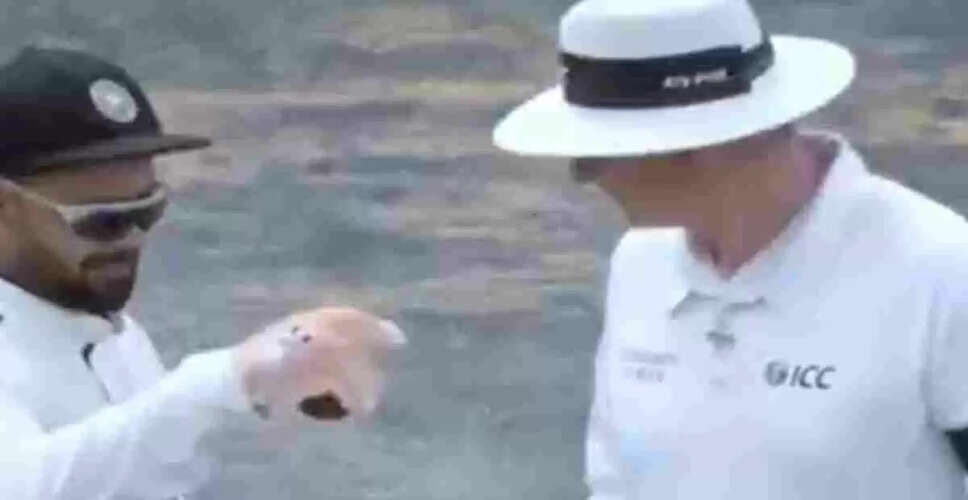
Rishabh Pant's Heated Exchange with Umpire
During the ongoing first Test match against England, India's vice-captain Rishabh Pant displayed visible frustration on Day 3 in Leeds, engaging in a heated confrontation with the umpire. In the initial session, Pant raised concerns regarding the ball's condition and approached the umpire for an inspection.
The umpire examined the ball with a standard gauge but ultimately refused to replace it, stating it met acceptable standards. This decision led to Pant losing his temper, and he angrily threw the ball after multiple requests for a change were denied.
Typical Rishabh Pant 🤨 pic.twitter.com/tpGG1crdA9
— EdgeBuzz (@DailyCricketbuz) June 22, 2025
This incident took place during the 63rd over of England's innings, with Ben Stokes and Harry Brook batting. Despite the ball remaining in play, Pant's animated response underscored the rising tension in this closely contested match.
As per the ICC Code of Conduct, Pant may face disciplinary action for his actions, which included throwing the ball and engaging in a heated discussion with the umpire.
- Article 2.8 (Dissent): Pant's prolonged discussion and clear dissatisfaction with the umpire's ruling could be classified as dissent, which is categorized as a Level 1 or Level 2 offense.
- Article 2.9 (Throwing the ball): Throwing the ball towards or near the umpire in an inappropriate manner is also a breach, potentially attracting similar penalties as Article 2.8.