Revitalizing Polo: A Sport for All in India
Transforming Polo's Image in India
According to Sharad Saxena, a member of the Indian Polo Association (IPA) Rules Committee, a horse values trust and skill over wealth or status. This perspective is crucial as the sport of polo undergoes a transformation in how it is perceived and played. The challenge lies in overcoming the stereotype that polo is merely a pastime for the affluent, and instead, the focus is on attracting a younger, more diverse audience while fostering a grassroots appreciation for polo and equestrian culture.
New Initiatives to Engage Fans
In 2023, the IPA introduced the Indian Arena Polo League in Delhi and Jaipur, a televised format aimed at making polo more engaging and accessible to contemporary audiences. Following this, the Polo Premier League (PPL) launched last month, marking India's inaugural domestic arena polo competition.
Arena Polo: A Game Changer
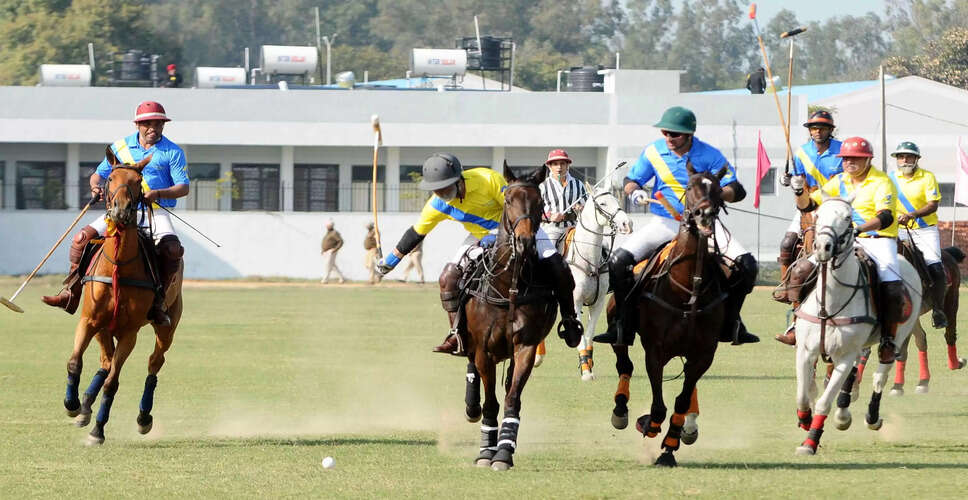
Arena polo, played on smaller fields with three-member teams, offers a quicker and more viewer-friendly experience. Earlier this year, Punjab celebrated the return of polo during the Holla Mohalla festival at Anandpur Sahib, featuring an exciting match between the Anandpur Sahib team and the newly recognized Chandigarh polo team, supported by international player Sodhi Vikram Singh and the Chandigarh Polo Club.
Expanding Polo's Reach
The popularity of arena polo in Punjab is noteworthy, as it extends the playing season from winter to nearly nine months, making the sport more accessible to youth and local fans. The smaller fields and team sizes also mean fewer ponies are needed, lowering costs and logistical challenges, which is essential for democratizing the sport.
Building a Polo Culture
Col Tarsem Singh Warraich (retd), a former captain of India’s polo team, emphasizes the importance of developing regional structures to encourage young people to learn riding and horse care, viewing polo as a meaningful pursuit. He envisions Punjab as a potential polo hub, not just in Patiala but throughout rural and semi-urban areas where fitness and horsemanship are already valued.
The Evolution of Polo in India
Polo in India is evolving on multiple fronts, from local games in regions like Manipur to professional competitions with sponsorships and prize money. While high-profile events have increased visibility, they have also shifted focus away from polo as a serious sport. Experts argue that polo deserves a place in sports news, not just lifestyle sections.
The Role of the Indian Army
The Indian Army has been a consistent supporter of polo, with historical ties to the sport dating back to Jodhpur’s cavalry regiments. The Army Polo and Riding Centre in Delhi is open to civilians, reinforcing the idea that talent is not determined by wealth but by opportunity.
A Modern Revival
Sawai Padmanabh Singh of Jaipur, a former Indian team captain, is at the forefront of modernizing polo. He advocates for inclusive practices through tournaments and training programs that are accessible to all, aiming to make polo a passion for anyone willing to engage with its rich history.
Polo's Historical Roots
Polo's origins in India trace back to Manipur, where it was known as Sagol Kangjei, a game played by both villagers and royalty. The sport was not just competitive; it was a test of courage and skill, reflecting the deep connection between horse and rider.
The Global Impact of Polo
Today, polo is played professionally in 77 countries, with India hosting 33 polo clubs across various regions. The sport is gaining traction among youth, women, and communities beyond its traditional strongholds, with initiatives aimed at introducing children to horseback riding and the values it instills.
Empowering Women in Polo
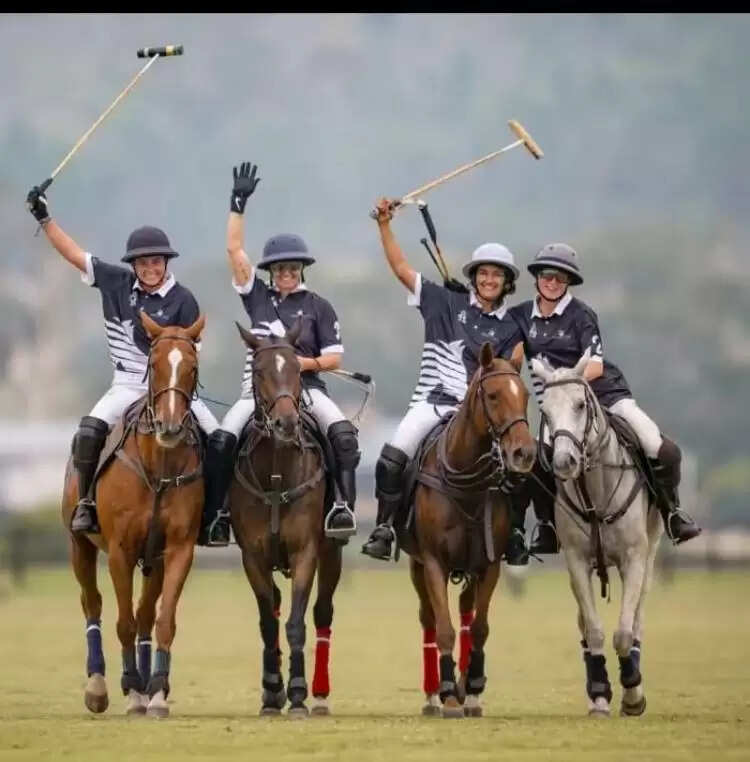
Polo uniquely allows men and women to compete together, breaking gender barriers. While only a handful of women actively play polo in India, figures like Rinaa Shah are leading the charge, inspiring future generations. The sport demands not only physical skill but also a commitment to horse care, making it a challenging yet rewarding pursuit.
The Future of Polo
As polo stands at a crossroads, it honors its rich heritage while welcoming new players and formats. The future looks promising if the sport remains inclusive and passionate, rooted in its unique culture.
Conclusion
Polo continues to evolve, maintaining its timeless legacy while boldly moving into the future.
No Gender Barrier