
RCB's Rajat Patidar Discusses Team Strategy and Personal Growth

RCB's Strong Start to the Season
The Royal Challengers Bengaluru (RCB) have kicked off their title defense with impressive performances under the leadership of Rajat Patidar. The captain attributes the team's achievements to a strategic yet adaptable mindset, which has led RCB to secure eight points from their first six matches this season.
Patidar's Insights on Team Dynamics
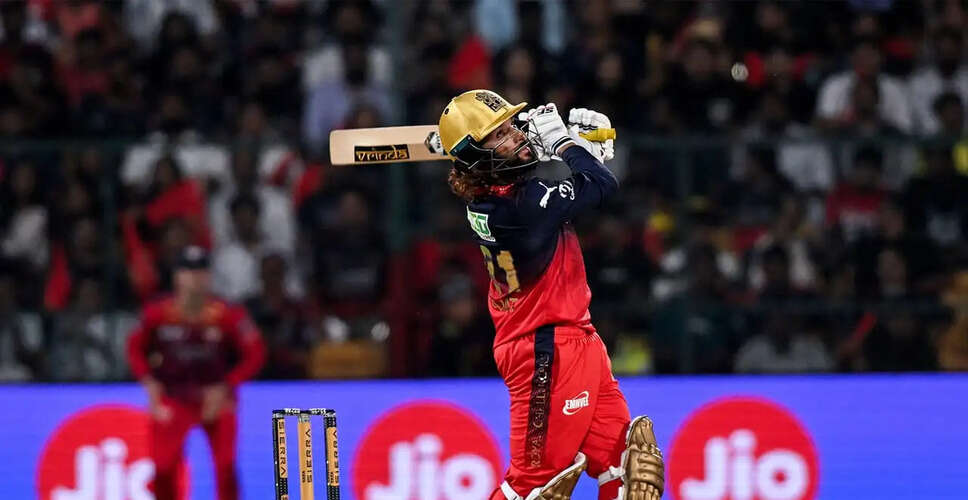
Patidar emphasized the importance of a flexible approach, stating, "Our mindset is one of dominance, but we must remain adaptable. Assessing the situation is crucial for our batting unit," during an episode of the RCB Podcast. This season, Patidar has showcased exceptional form, scoring 230 runs in six matches with an impressive strike rate of 212.96, including 22 sixes, ranking second in the league.
Mental Shift in Batting
Reflecting on his development as a batter, Patidar noted that the most significant changes were mental rather than technical. He explained, "The transformation in my batting began with my mindset—how I perceive the game and my role in it. Once I achieved mental clarity, the technical adjustments followed naturally."
RCB's Aggressive Approach
Discussing RCB's aggressive batting style, Patidar remarked, "There isn't a rigid plan; if I sense I can dominate a bowler, I will go for it. It's more about instinct than a set strategy." He also stressed the need for clear communication during partnerships, stating, "If a player feels they can take on a bowler, they should take charge, even if it means not rotating the strike. The goal is to keep the pressure on the bowler."
Leadership Philosophy
Patidar described his leadership style as one that prioritizes the mindset of his bowlers. "I consider myself a bowling captain. In T20 cricket, bowlers face immense pressure, so I strive to keep them in a positive frame of mind and avoid showing too much emotion," he explained.
Learning from Experience
He acknowledged the influence of senior players, particularly Virat Kohli, stating, "I've learned a great deal by observing experienced teammates. The key is to remain present and focus on what you can control."
Reflections on Last Year's Title Win
Patidar shared that the true significance of their title victory last year hit him when he witnessed the fans' emotional reactions. "Winning felt special, but seeing the fans' joy made me realize the magnitude of our achievement," he said. He also recounted the pressure he felt during the final moments of the match, acknowledging that such pressure is a natural part of high-stakes games.
Staying Authentic as a Captain
On his captaincy style, Patidar emphasized the importance of authenticity. "I am naturally calm and not overly expressive. I aim to maintain clarity in every situation without changing who I am," he stated. He also highlighted the need to foster an inclusive environment where every player feels valued, which can enhance performance.
Future Focus
Regarding expectations and external pressures, Patidar prefers to remain detached from outside opinions. "I concentrate on what I can control in the present, which brings me clarity and calmness," he mentioned. Looking forward, he stated that RCB's goal is to maintain their approach and not be swayed by past successes. "As champions, we know other teams will challenge us more fiercely. Our focus is on the present, our process, and what we can control," he concluded.