
Parliament Approves Landmark National Sports Governance Bill
Historic Legislation Passed
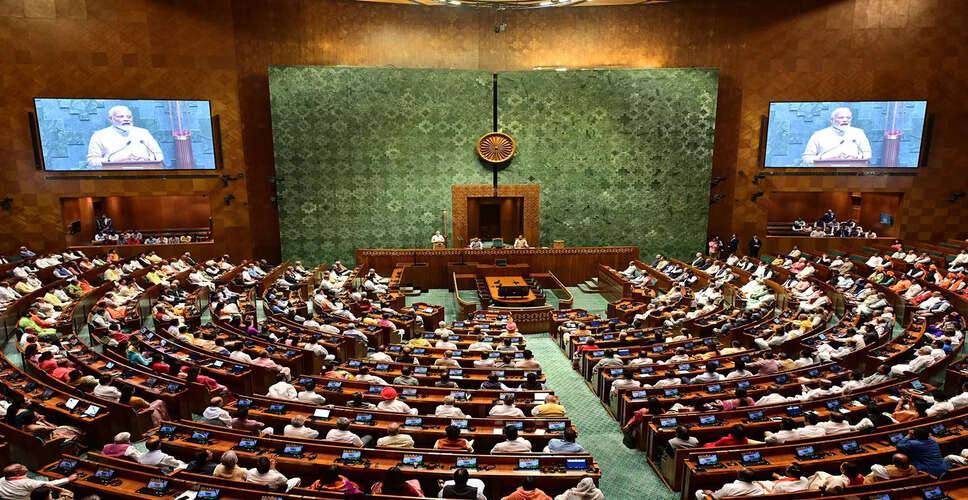
New Delhi, Aug 12: On Tuesday, the Parliament successfully passed the National Sports Governance Bill, with the Rajya Sabha approving it just a day after the Lok Sabha. This significant legislation aims to establish a national sports board and an independent mechanism for resolving disputes in sports governance across India.
Additionally, the National Anti-Doping (Amendment) Bill was also approved by both Houses, which seeks to enhance the autonomy of the National Anti-Doping Agency (NADA) in accordance with the standards set by the World Anti-Doping Agency (WADA). Both bills will now await presidential approval before becoming law.
The Rajya Sabha session commenced at 3 p.m. with Minister of Youth Affairs and Sports, Mansukh Mandaviya, presenting the bills. However, the proceedings faced interruptions due to protests from opposition members regarding the electoral roll revisions in Bihar.
Opposition Leader and Congress President Mallikarjun Kharge led a walkout after calling for an immediate discussion on the Bihar situation, allowing the House to pass the bills without their presence.
Mandaviya urged the Rajya Sabha to make India the 21st country to implement a sports law, highlighting that 20 other nations have already done so. His address was followed by a discussion lasting over two hours.
During the debate, BJD MP Subhashish Khuntia expressed concerns about the potential centralization of sports governance and the lack of clarity regarding athlete development at the district and block levels.
“The bill should empower, not control,” he emphasized.
In response, Mandaviya clarified that the government's intention is to facilitate rather than control. “This bill aims to bring transparency, not interference. We want to support and provide a structured environment,” he stated.
Prominent figures such as former All India Football Federation President Praful Patel and Indian Olympic Association President PT Usha, who is also a nominated member, praised the bill.
Patel remarked, “This legislation has been long overdue. Our previous sports code was ineffective and lacked legal robustness. Today's developments are essential.” He expressed hope for India's bid to host the 2036 Olympics, stating that this bill is crucial for achieving success beyond cricket.
Usha echoed these sentiments, stating, “This bill will promote transparency, accountability, and gender equality. It will empower athletes and instill confidence among sponsors and federations. It is fundamentally about justice and fair play.”
Mandaviya referred to the bill as “the most significant reform in sports since independence.”
A key feature of the bill is the establishment of the National Sports Board (NSB), which will enforce strict accountability measures. The NSB will have the authority to de-recognize any national body that fails to conduct elections for its Executive Committee or engages in serious electoral misconduct.
Moreover, the NSB will take action against organizations that do not publish annual audited accounts or misuse public funds, although it must consult the relevant global body before proceeding.
Another notable aspect is the proposal for a National Sports Tribunal, which will possess civil court powers to resolve disputes related to selections and elections involving federations and athletes. Decisions made by the Tribunal can only be contested in the Supreme Court.