
Mastering Kitchen Line Strategies for 3.5 DUPR Players
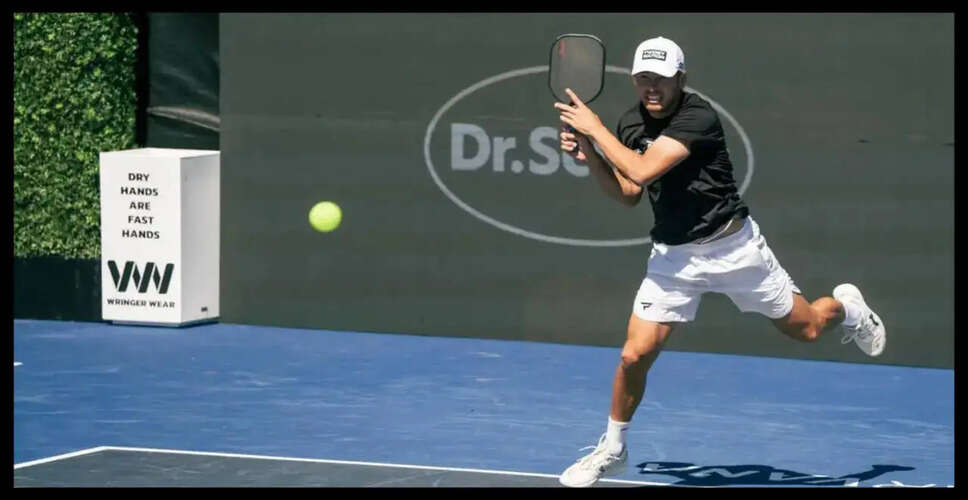
Improving Control at the Kitchen Line
For players with a 3.5 DUPR rating, managing the kitchen line poses a significant challenge, where the outcome of matches often relies more on consistent decision-making than sheer power. Although many players frequently access the non-volley zone, sustaining control during rallies remains a critical hurdle. Connor Garnett has proposed several straightforward strategies to enhance players' positioning, timing, and shot selection at the net.
A prevalent issue at this level is allowing the ball to stray too far from the body. Garnett emphasizes the necessity of keeping the ball within a manageable range in front of the player. Many players tend to reach sideways for returns, which heightens the likelihood of mistakes. By concentrating on keeping the ball in front, players can enhance their balance and maintain superior control during rapid exchanges at the kitchen line.
Avoid Rushing Shots
Another crucial adjustment involves timing. Numerous 3.5 players often hurry their shots, particularly during fast-paced rallies. Allowing the ball to approach slightly closer before striking can afford more time to respond and accurately place the shot. This technique results in more reliable dinks and volleys, complicating opponents' ability to predict the next move.
Understand Dinking Variations
Garnett also pointed out the necessity of recognizing the difference between defensive and offensive dinks. A defensive dink is executed with the paddle tip down, concentrating on safely lifting the ball over the net, which is beneficial when under pressure or with limited reaction time. Conversely, an offensive dink is performed with a slight angle or spin, designed to displace opponents and create attacking opportunities. Choosing the appropriate type of dink based on the context allows players to maintain control during rallies instead of attempting risky winners.
Focus on Smart Play
At the 3.5 level, achieving success at the kitchen line hinges more on strategic decision-making than on aggressive shot-making. Analyzing the court and selecting the right shot can significantly impact lengthy rallies. Minor adjustments in positioning, patience, and shot variation can enable players to remain consistent and competitive, whether in formal matches or casual games.