
Mahavatar Narasimha: A Remarkable Kannada Animation Film
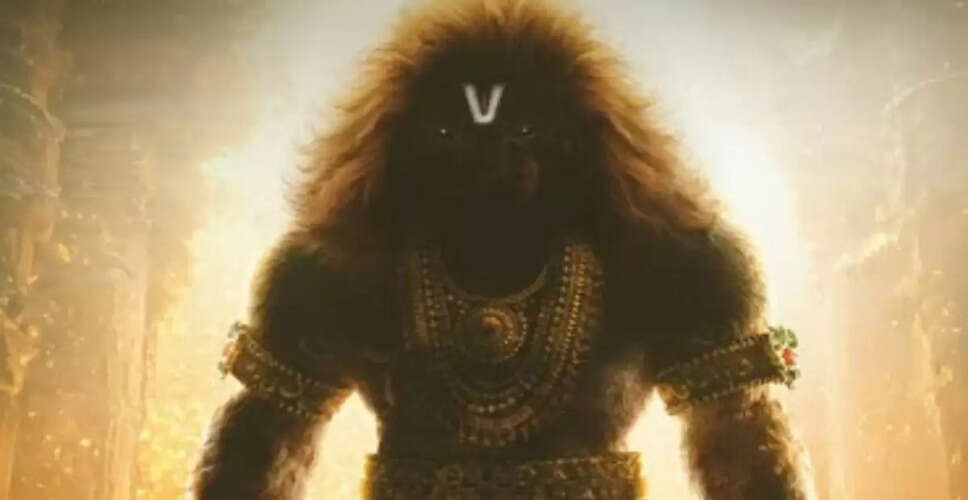

A Quiet Triumph in Animation
This Kannada animated mythological film made its entrance quietly but quickly captured hearts worldwide. It stands out not only as a significant achievement of the year but also as a celebration of our mythological heritage, approached with a refreshing humility.
I wholeheartedly recommend this charming film, which features one of the most endearing and virtuous heroes, Prahlad, in cinematic history. While it may not excel in technical aspects, which could use some improvement, its genuine dedication to the essence of Lord Vishnu is commendable. The film feels almost divinely inspired, urging viewers to experience it without delay.
In an era where mainstream cinema often borrows heavily from foreign influences, Mahavatar Narasimha draws from our rich mythology, presenting a powerful narrative about a five-year-old boy, Prahlad, who embodies righteousness and wisdom, countering the negativity often portrayed in Indian cinema.
Prahlad, rather than Krish Kapoor, emerges as the true hero of our times, driven solely by the principles of his beloved Lord Vishnu, much to the dismay of his vengeful father, Hiranyakashyap, who harbors resentment towards Vishnu for the death of his twin brother.
The film opens with a humorously unintended reference to intimacy, where a woman, driven by desire, insists on closeness with her sage husband, who cautions her about the consequences of such actions at that time. Ignoring his warnings, she persists.
The sage, with a sigh, remarks on the stubbornness of women, as he proceeds to fulfill the desires of his 14th wife, who mentions her thirteen sisters he has already satisfied.
Thus, the twin demons are born.
Skillfully blending mythology with entertainment, Mahavatar Narasimha kept me engaged with its delightful storytelling until the very end.
While it may not be a polished masterpiece and lacks high-energy songs or star-studded casts, the film possesses a sense of propriety and decorum. It presents a narrative filled with drama and spectacle, and Prahlad's gentle yet persuasive righteousness resonates deeply, encouraging an instinctive connection with the audience.