
Kolkata Open: Players Navigate Intense Matches and Recovery
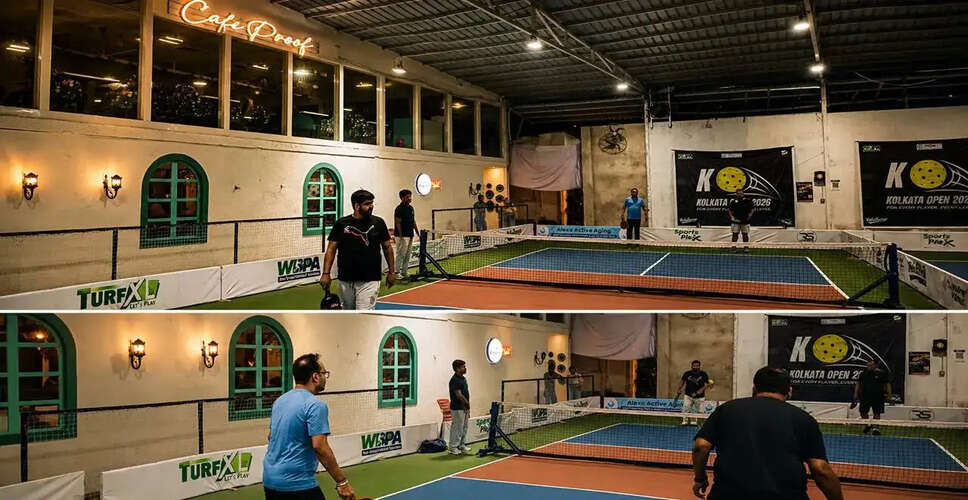

Kolkata Open: A Day of Matches and Strategy
As the sun began to set over the Sportsplex in Topsia, Kolkata, players hustled between matches, rest areas, and the cafe, managing brief intervals in a packed schedule at the Kolkata Open. With numerous matches occurring throughout the day, the venue's design influenced how athletes approached recovery, movement, and concentration between rounds. The courts were in constant action, with announcements calling players back in rapid succession, leaving little time for extended breaks.
Players quickly rotated as matches piled up, often with only short pauses before the next call. Some stayed close to the courts to remain prepared, while others took a moment away for a brief reset, keeping an eye on the match flow. The cafe served as a temporary holding area rather than a complete break space. Players sat with their gear nearby, some discussing strategies from earlier games, while others chose silence. A few preferred to stay near the courts.
“You do get a chance to unwind here between matches, which helps,” remarked Hrithik Sonthalia. “But you also have to be careful. If you sit too long in the AC or start eating the wrong things, it affects your body. When you’re playing multiple matches, diet and recovery have to stay strict; otherwise, it shows on court.”
Notably, players of various ages and skill levels shared the same space between matches. Juniors, seniors, and professionals mingled within close proximity, moving in and out of games throughout the day. “It’s different here because you’re not just playing and leaving,” said amateur player Shashank. “You stay around, watch others, talk, and then go back in.”
“You need to manage your energy,” added a senior participant. “If you sit too long, your body slows down. If you don’t rest, you feel it in the next match.”
For teams, the strategy was similar. Members of Team Nagaland, led by Otoka Sema, were observed spending time together between matches while monitoring the schedule. “We try to stay relaxed between matches, talk a bit, but at the same time keep an eye on the schedule,” Sema explained. “It’s easy to lose focus if you switch off completely, so we keep it light but stay ready.”
As the day progressed, the atmosphere shifted slightly. More spectators gathered along the sidelines, and matches became more intense. Shadows lengthened across the courts, requiring players to adapt to changing visibility as rallies extended.
Unlike many sports where players leave the competition area between matches, pickleball kept them within the same environment. The time between games became part of the competition, with players balancing rest, observation, and preparation without fully stepping away. The continuous movement left little room for complete recovery, especially for those competing across categories. For many at the Kolkata Open, the day was defined less by the setting and more by how they managed their time between matches, where even brief pauses came with their own challenges.