
India's Doping Challenge: WADA Calls for Stronger Measures

WADA Highlights Doping Issues in India
The global battle against doping has brought significant attention to India, with officials from the World Anti-Doping Agency (WADA) recognizing the magnitude of the issue and advocating for enhanced action and accountability. Following the WADA Global Anti-Doping Intelligence and Investigations Network (GAIIN) Conference, WADA leaders emphasized that while some progress has been made, there are still considerable gaps in addressing the production and distribution of performance-enhancing substances.
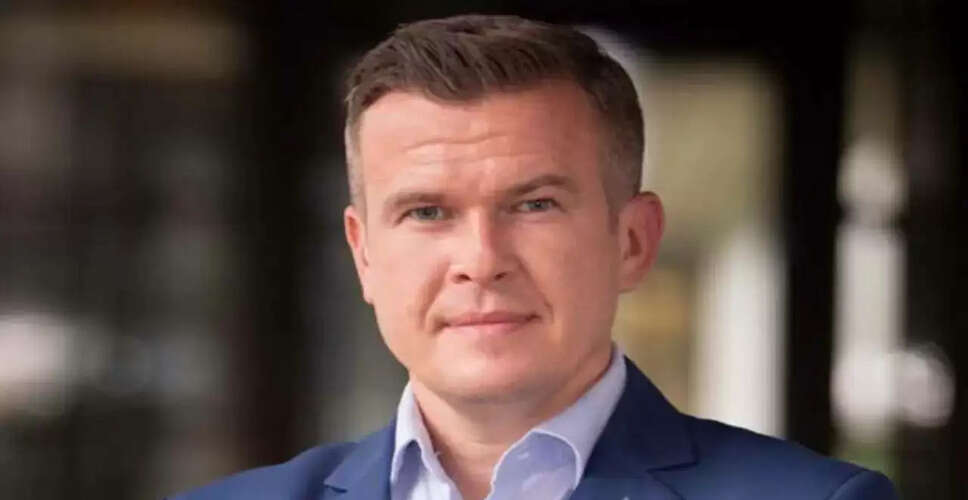
WADA President Witold Banka and Director of Intelligence and Investigations Gunter Younger spoke to the media in New Delhi on April 16, focusing on 'Operation Upstream,' an international initiative aimed at identifying and dismantling doping networks. Banka was forthright about India's role in the global context, stating, 'Operation Upstream is a worldwide initiative, but it is clear that India is the largest producer of illegal performance-enhancing drugs and steroids. There is a significant doping issue in India, and this operation is ongoing and confidential.'
Banka emphasized the necessity for India to adopt a robust anti-doping policy, noting that cooperation from Indian authorities is essential for the country to host major international sporting events in the future. He highlighted that stronger enforcement, transparency, and systemic improvements are crucial. 'There is an understanding of the problem here; no one is unaware of it. We expect greater engagement and commitment from India. Our goal is to evaluate how NADA implements the rules, the strength of the system, and the effectiveness of educational programs. India is ambitious about hosting sporting events, but this cannot happen without a solid anti-doping framework,' he stated.
The discussion also touched on expanding accountability beyond just athletes. Banka supported revising existing regulations to hold coaches and medical professionals more accountable for doping violations, a sentiment echoed by India's sports minister Mansukh Mandaviya earlier in the day. 'The government is working on introducing criminal penalties for those involved in administering or trafficking banned substances. Previous efforts focused mainly on laboratory testing and athlete compliance, but doping has evolved into a coordinated multinational operation, necessitating a unified global response,' Mandaviya remarked.
In addition to policy discussions, WADA officials assessed India's current infrastructure. Banka mentioned his visit to the National Dope Testing Laboratory (NDTA), while NADA Director General Anant Kumar indicated plans to enhance testing capabilities with more laboratories. A virtual audit focusing on results management and decision-making processes is anticipated in the coming weeks.
Despite acknowledging ongoing efforts, WADA indicated that the pace of reform needs to accelerate. 'There is room for improvement, and we see the necessity to speed up efforts in areas such as testing, investigations, and verification. We will continue to monitor these initiatives,' Banka concluded. The one-day meeting included representatives from law enforcement and National Anti-Doping Organizations from 23 European countries and 45 nations across the Asia-Oceania region, along with INTERPOL and EUROPOL, highlighting the global nature of the doping challenge.