
India's Commitment to Combat Doping in Sports

Strengthening Anti-Doping Measures
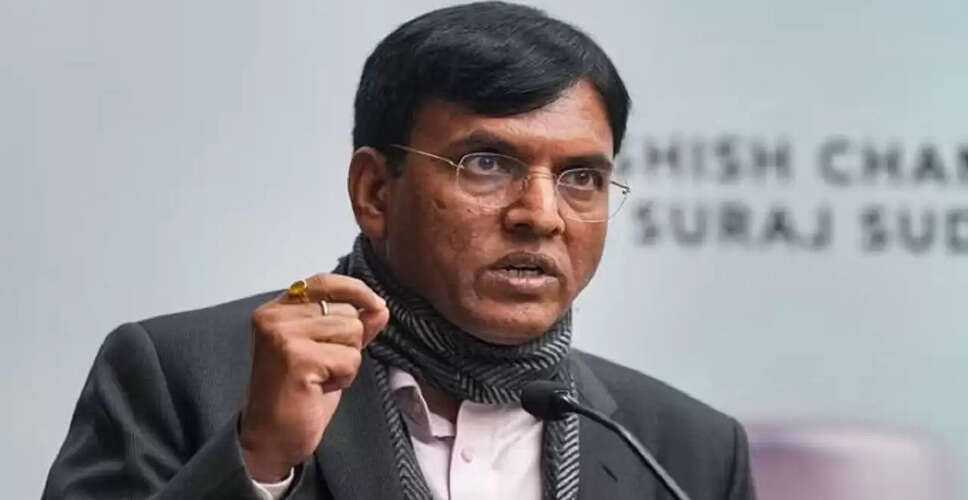
During the opening of the World Anti-Doping Agency's (WADA) Global Anti-Doping Intelligence and Investigations Network (GAIIN) Final Conference, Union Sports Minister Mansukh Mandaviya stated that doping is not just an individual issue but rather an "organized multinational enterprise." He highlighted the necessity of maintaining the integrity of sports in a complex global environment, emphasizing that this responsibility is crucial.
Mandaviya's comments reflect a rising global alarm regarding the sophistication of doping networks, which necessitate enhanced intelligence-sharing and coordinated enforcement across nations. He pointed out India's proactive measures, including significant legislative and institutional reforms in recent years.
The National Anti-Doping Act of 2022 has established a solid legal framework, while the National Anti-Doping Amendment Act of 2025 aligns India's regulations with international standards. Central to India's strategy is the focus on prevention through education. Mandaviya stated, "Providing timely and accurate information empowers athletes to make informed choices and avoid both intentional and accidental violations," emphasizing the importance of education in influencing athlete behavior.
The National Anti-Doping Agency (NADA) has been implementing this strategy through various outreach initiatives, such as workshops, seminars, digital campaigns, and event-based learning. Additionally, specialized educational resources are being created for athletes with disabilities, aiming to enhance inclusivity in anti-doping awareness.
In addition to awareness efforts, India has intensified its testing and enforcement protocols. Mandaviya noted that the annual number of tests has surged from approximately 4,000 in 2019 to 8,000 in the last year. Encouragingly, the rate of adverse analytical findings has significantly decreased from 5.6% in 2019 to below 2% currently.
The government is also investing in infrastructure to bolster its anti-doping initiatives, with plans to establish new WADA-compliant drug testing laboratories to enhance domestic capabilities and lessen dependence on foreign facilities. Furthermore, technological solutions are being introduced to assist athletes directly, such as the "Know Your Medicine" mobile app, which helps users check if prescribed medications contain banned substances.
Mandaviya also mentioned that the government is considering criminalizing the distribution or trafficking of prohibited substances, which could represent a major advancement in enforcement.
However, the minister's statements come amid a challenging situation, as India has recently surpassed Kenya in the Athletics Integrity Unit's list of ineligible individuals due to doping infractions, with 148 suspended track and field athletes—two more than the African nation. This statistic underscores the ongoing challenges despite the progress made.
Nevertheless, India's message at the international forum was unequivocal: addressing doping requires not only stricter regulations and improved testing but also a cultural transformation within sports that emphasizes fairness, education, and shared accountability.