
India vs England Test Series: Key Insights for the First Match at Leeds
Exciting Test Series Ahead
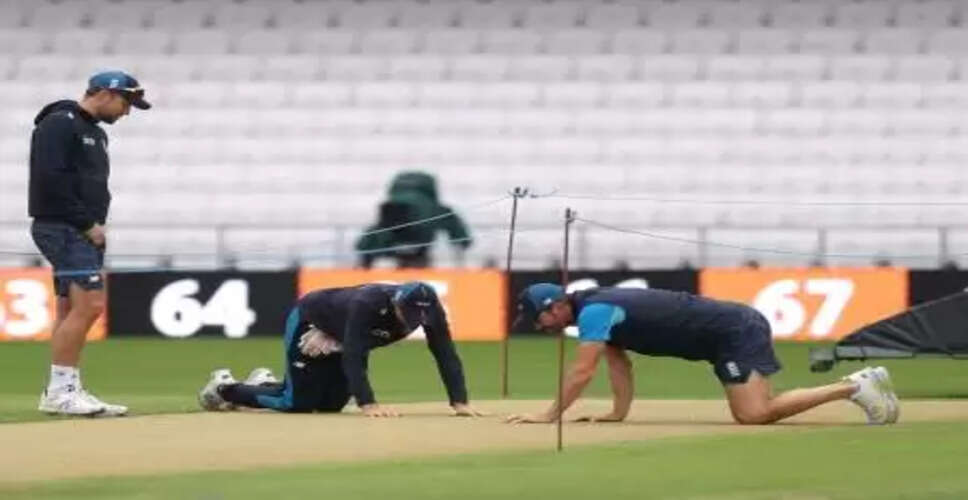
The anticipation builds for one of the most thrilling Test series of the year. Young talent Shubman Gill is set to spearhead the Indian team, while England welcomes back their captain Ben Stokes for the red-ball format. The opening match of the five-match Test series is set to take place at Headingley, Leeds. Known for its traditionally slow pitches, Leeds may present a unique challenge, making a win here particularly significant. The outcome of the toss will be pivotal in influencing the first Test's result.
Historical Context of the Pitch
This is the same venue where Ben Stokes famously chased down 359 runs against Australia during the 2019 Ashes series, despite England being dismissed for a mere 67 runs in the same match. This highlights the evolving nature of this iconic ground. The decision-making process for either Stokes or Gill after winning the toss will depend on various factors, including weather conditions.
Leeds Match Statistics
| Stat | Value |
|---|---|
| Total Matches | 84 |
| Matches Won Batting First | 29 |
| Matches Won Bowling First | 36 |
| Average 1st Innings Score | 298 |
| Average 2nd Innings Score | 291 |
| Average 3rd Innings Score | 239 |
| Average 4th Innings Score | 165 |
Strategic Decisions Based on Conditions
The chief curator has indicated that the team batting first could score around 300 runs, despite the Headingley pitch's reputation for seam and bounce. The pitch conditions can vary significantly, especially under cloud cover, which favors seam bowlers. Therefore, it may be advantageous to bowl first if the pitch is green and wet with overcast skies. Conversely, if the pitch is dry and the weather is clear, batting first would be the preferable strategy to maximize scoring opportunities early in the match.