
India Introduces National Sports Governance and Anti-Doping Bills in Lok Sabha
Introduction of Key Sports Bills
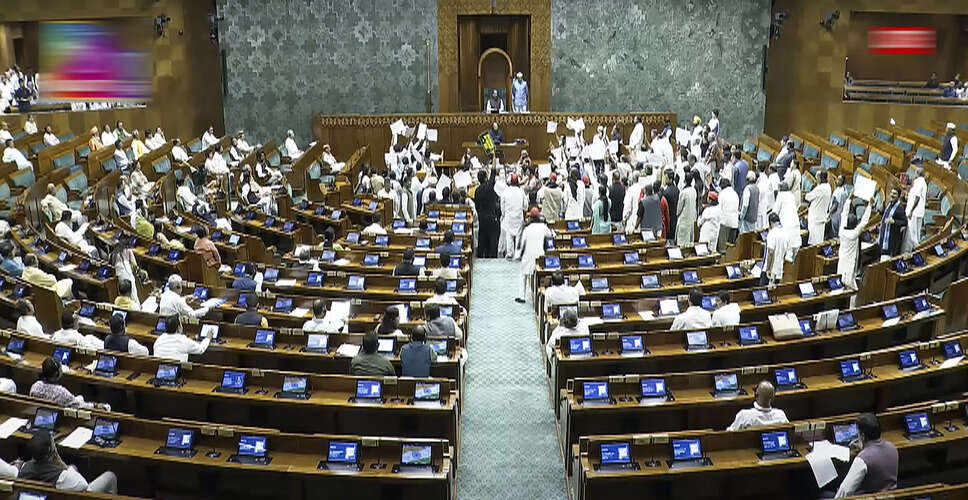
On Wednesday, the Indian government presented the National Sports Governance Bill, 2025, along with the National Anti-Doping (Amendment) Bill, 2025, in the Lok Sabha. This move came amidst significant protests from the Congress-led opposition regarding the special revision of the electoral roll in Bihar.
Union Sports and Youth Affairs Minister Mansukh Mandaviya was responsible for tabling these two important Bills.
National Sports Governance Bill Overview
The National Sports Governance Bill aims to align the governance of sports in India with the standards set by the Olympic and Paralympic Charters. This alignment is crucial for positioning India to host significant international sporting events, including a potential bid for the 2036 Olympics.
A key feature of this Bill is the requirement for every national sports federation, including the National Olympic Committee and the National Paralympic Committee, to form Athletes’ Committees. These committees will provide athletes with a formal platform to express their concerns, influence decisions, and participate in policy development.
Inclusion of Athletes in Decision-Making
Furthermore, the Bill stipulates that two distinguished athletes must be included in the Executive Committees of these organizations, ensuring that the perspectives of those actively involved in sports are considered in critical decision-making processes.
National Anti-Doping Amendment Bill Details
The National Anti-Doping Amendment Bill 2025 seeks to address amendments suggested by the World Anti-Doping Agency (WADA), which had raised concerns about perceived governmental interference in the operations of India's National Anti-Doping Agency (NADA).
Although the National Anti-Doping Act was initially enacted in 2022, its implementation was halted due to WADA's objections.
WADA's Concerns and Amendments
WADA had criticized the establishment of a National Board for Anti-Doping in Sports, which was given the authority to recommend anti-doping policies to the government. This Board, consisting of a Chairperson and two members appointed by the Central Government, was also tasked with overseeing NADA and issuing directives.
WADA viewed this arrangement as an inappropriate level of government influence over an independent agency, leading to the rejection of this provision. As a result, the amended Bill has removed this clause to comply with WADA's standards.
Further modifications are anticipated, which may include lessened liability for athletes regarding doping violations.