
IFAB Considers Expanding VAR Powers Ahead of 2026 World Cup
Introduction to VAR Changes
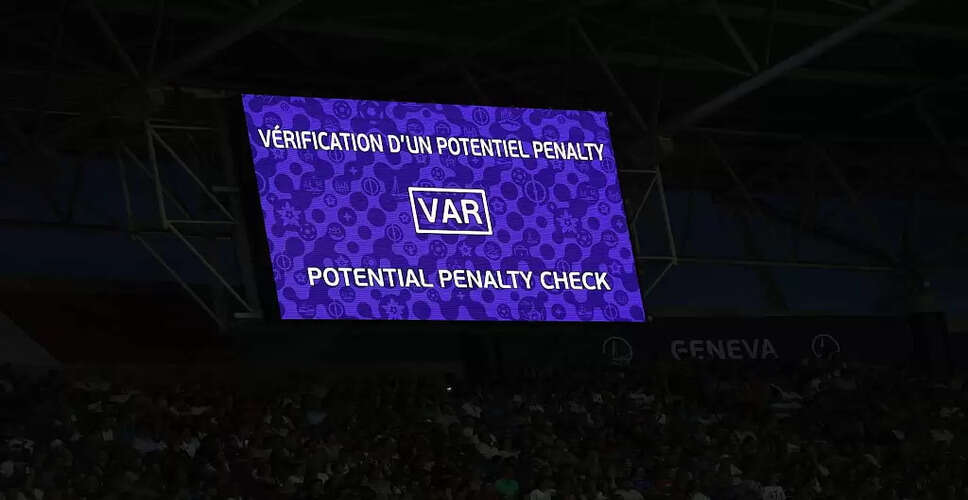
The International Football Association Board (IFAB), which oversees football regulations, is contemplating a major enhancement of the Video Assistant Referee (VAR) system prior to the 2026 World Cup. The suggested modifications would empower VAR to assess situations involving corners, penalties, and second yellow cards, potentially transforming the flow of the game.
Details of Proposed Modifications
One of the more radical proposals includes the notion of declaring the ball 'dead' when a goalkeeper successfully saves a penalty, thereby eliminating any chance for rebounds or follow-up attempts. This idea has garnered significant backing, especially concerning corner kicks, where incorrect corner awards could be rectified.
Debate Over Second Yellow Cards
The suggestion to allow VAR to review second yellow cards is particularly contentious, as these calls often involve subjective judgment. This aspect of the proposal is viewed as 'more controversial' due to the inherent subjectivity involved in such decisions.
IFAB's Considerations on VAR Implementation
Members of the IFAB are keen to ensure that any expansion of VAR's authority does not lead to increased game delays. They emphasize that new decisions must be made swiftly, within seconds, to maintain the game's pace.
Timeline for Decision-Making
The IFAB plans to deliberate on these proposals during their annual business meeting in November. If new regulations are approved, they could be finalized at the annual general meeting in March. Should these changes receive the green light, they would be implemented on June 1, just ahead of the 2026 World Cup.
Wider Implications for Football
These potential adjustments have been anticipated for several years and are expected to ignite discussions among football enthusiasts. The overarching goal is to refine VAR's function, addressing ongoing concerns about delays and accuracy. Fans will be keenly watching the outcomes of the forthcoming IFAB meetings, aware that any alterations will likely be a divisive topic.