
Historic National Sports Governance Bill Passed to Enhance Athlete Welfare in India
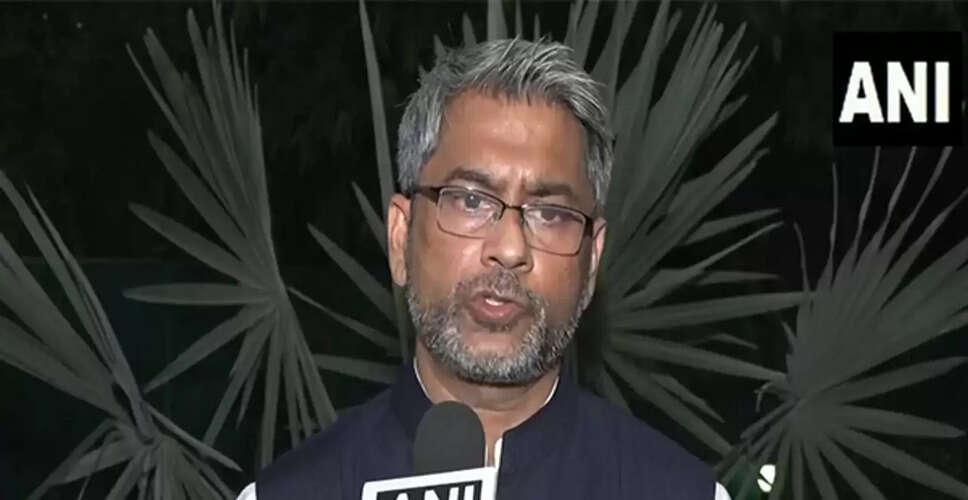
AIFF President Commends New Legislation
Kalyan Chaubey, the President of the All India Football Federation (AIFF), expressed his congratulations to Union Sports Minister Mansukh Mandaviya following the passage of the National Sports Governance and the National Anti-Doping (Amendment) Bill in Parliament. He emphasized that this legislation is crucial for ensuring the integrity of athletes, particularly as India prepares to host a significant international sporting event.
Framework for Sports Governance
The bill, introduced by Union Youth Affairs and Sports Minister Mansukh Mandaviya, aims to establish a solid legal foundation for sports governance in India, focusing on transparency, accountability, and the welfare of athletes.
Ethics and Safety in Sports
In an interview, Chaubey remarked, "I commend Union Sports Minister Mansukh Mandaviya for enacting this law after 40 years. This legislation benefits Indian sports in two significant ways. Firstly, it establishes a National Sports Board with the power to grant or revoke the registration of sports organizations, ensuring that sports adhere to ethical standards and safe policies, particularly for athletes under 18, including girls and women."
He further noted, "Secondly, the Sports Tribunal will address numerous pending litigations, reducing unnecessary expenses that can now be redirected towards sports development. It also tackles the misuse of the name 'India' or Indian insignia by unauthorized sports bodies. This Act will guarantee the integrity of our athletes, especially as we approach a major international competition." This landmark legislation represents the first comprehensive legal framework for sports governance in the country, fulfilling long-standing demands for reform.
Decade-Long Journey to Legislation
Efforts to create such a comprehensive law have been in progress for over ten years, dating back to 2011. Despite numerous attempts and drafts, a bill of this magnitude had never been presented to Parliament until now.
Setting New Standards in Sports Management
The National Sports Governance Bill introduces a new benchmark for transparency, accountability, and ethical management in sports. It outlines clear expectations for National Sports Federations and the Indian Olympic Association, ensuring fair elections, financial transparency, and inclusive representation.
Promoting Equality in Sports Administration
Importantly, the bill mandates the establishment of athlete commissions, providing a strong voice for players within governing bodies, and requires at least 30 percent representation of women to foster gender equality in sports administration. With robust measures to protect athlete welfare—especially for women and minors—and stringent anti-doping regulations, the bill prioritizes the rights and needs of athletes in Indian sports.
Additionally, the Bill's alignment with the Olympic and Paralympic Charters reflects India's ambition not only to compete but to excel on the global sports stage, as the nation aims to host the 2036 Olympic Games and achieve developed-nation status by 2047. By embedding best practices into law, the Bill removes ambiguity and establishes a unified framework where transparent governance, gender equality, and prompt conflict resolution are standard.