
Historic Draw in FIDE Women’s World Cup Final Between Indian Chess Stars
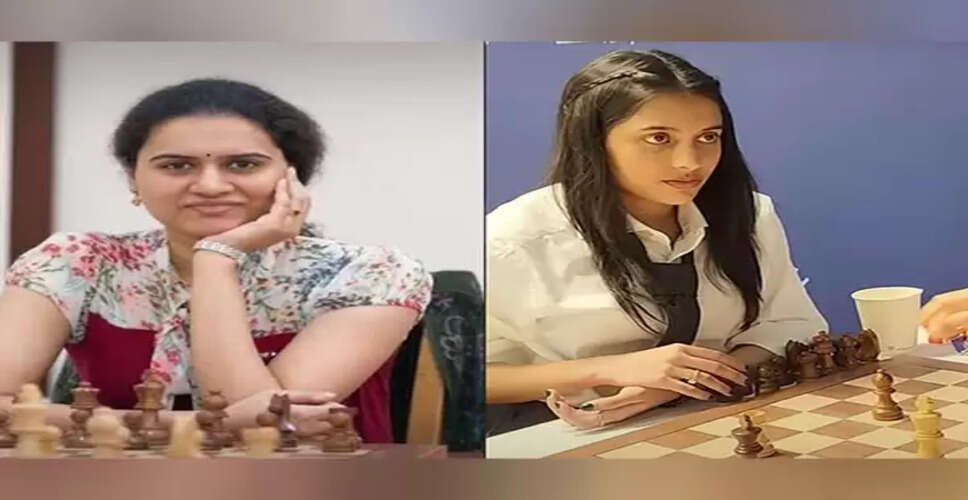
Intense Opening Match Ends in a Draw
Batumi [Georgia], July 26: The inaugural match of the FIDE Women’s World Cup final concluded with a hard-fought draw between two of India’s top chess players, Koneru Humpy and Divya Deshmukh, resulting in a score of 1/2 – 1/2.
On one side of the board was Humpy, a veteran and one of India’s most accomplished chess players. At 38 years old, she exhibits remarkable composure and patience, showcasing her ability to withstand lengthy, high-pressure games without faltering.
Opposite her, the 18-year-old Divya Deshmukh, known for her aggressive style and fearless approach, displayed her signature attacking prowess. As a representative of the new generation, Divya has quickly ascended in the chess realm and is regarded as one of the sport's most promising young talents.
Regardless of the outcome, this event marks a significant milestone for Indian chess in Batumi.
This final will be India’s first opportunity to claim a world title in women’s chess.
Both Humpy and Deshmukh reached the final by overcoming their Chinese rivals in the semifinals.
Deshmukh triumphed over Tan Zhongyi with a score of 1.5-0.5, while Humpy secured her place by defeating Lei Tingjie with a 5-3 scoreline.
Humpy’s initial game against Lei ended in a draw at 0.5-0.5, mirroring the first semifinal match between Tan Zhongyi and Deshmukh.
Previously, Humpy made headlines by becoming the first Indian woman to reach the semifinals of this tournament. A solid draw in her second game against China’s IM Song Yuxin was sufficient to ensure her advancement, as reported by ESPN.
Despite a few minor mistakes, Humpy maintained control, playing strategically and safely. Ultimately, her opponent agreed to a draw, confirming Humpy’s spot in the final four.
Deshmukh delivered an impressive performance against compatriot GM Harika Dronavalli in the quarterfinals, winning both tie-break games to progress to the semifinals.
The match was fiercely contested during the classical segment, but Divya seized her chance in the first tie-break when Harika made a critical mistake in the endgame. In the second tie-break, Harika had opportunities to recover but failed to capitalize, allowing Divya to advance with poise and maturity.
This year marked a historic achievement for India, as four Indian women reached the quarterfinals of the FIDE Women’s World Cup for the first time.