
Gujarat's Sports Minister Leads Delegation to Discuss Commonwealth Games 2030 Bid
Gujarat's Commitment to Commonwealth Games 2030
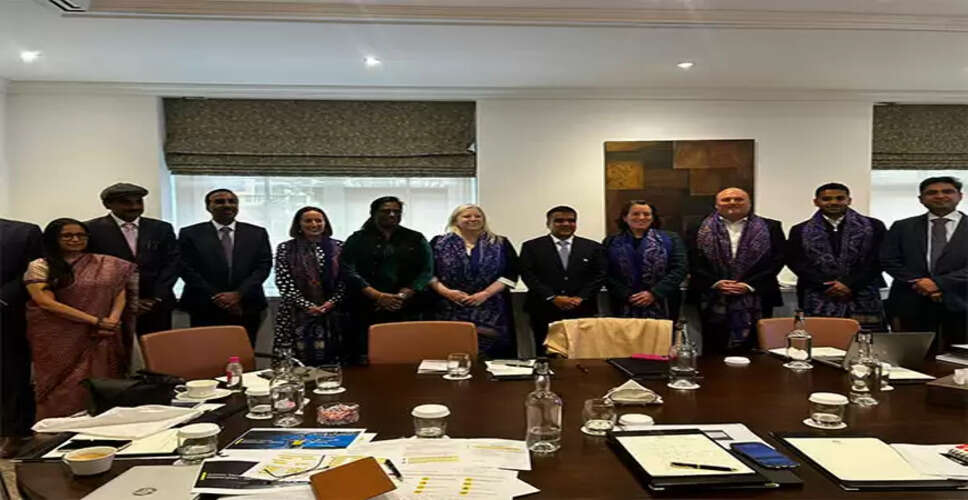
A senior delegation from Gujarat, headed by Harsh Sanghavi, the state's Sports Minister, recently engaged with officials from Commonwealth Sport in London. This meeting is part of ongoing efforts to enhance understanding of the framework for the Commonwealth Games 2030 bid.
The delegation included representatives from the Commonwealth Games Association of India and the Ministry of Youth Affairs and Sports from the Government of India, as stated in a release from the Gujarat Chief Minister's Office.
Proposals for the bid are anticipated to be submitted by August 31, with the host city selection expected to be announced by Commonwealth Sport in November.
Over two days of intensive discussions in London, the Indian delegation shared their preparations for the bid. The Commonwealth Sport team assured full support and collaboration with potential host cities in preparing their proposals.
In his address, Sanghavi emphasized, “The 2030 Games should prioritize sustainability, community involvement, and, most importantly, the athlete experience. Athletes are central to the Games, and every decision will be influenced by their comfort, needs, and performance.”
Highlighting the significance of a lasting legacy, the Sports Minister stated, “We are developing a hosting model that emphasizes long-term benefits over short-term spectacles, utilizing existing venues whenever feasible to ensure the Games leave a meaningful legacy for local communities.”
P T Usha, President of the Commonwealth Games Association of India, expressed that, “India shares the belief with Commonwealth Sport that sports can unite nations, inspire youth, and drive social change. We are prepared to collaborate with the Commonwealth Games Federation to create a legacy-oriented and forward-thinking edition of the Games in 2030.”
The discussions centered on understanding the overall planning expectations, governance standards, and key milestones in the bidding process. This engagement reflects India's commitment to aligning with global best practices while constructively involving all stakeholders in the ongoing process.
During the talks, both parties exchanged insights on essential elements typically included in a Games bid proposal, such as the overarching vision, legacy goals, governance and institutional support, sustainability factors, transport strategies, sports programming, accessibility, infrastructure planning, athlete services, and operational logistics during the Games. While details are still being finalized, the emphasis remains on meeting international standards and ensuring readiness across critical areas.