
Formula 1 Cancels Bahrain and Saudi Arabian Grands Prix Amid Middle East Tensions
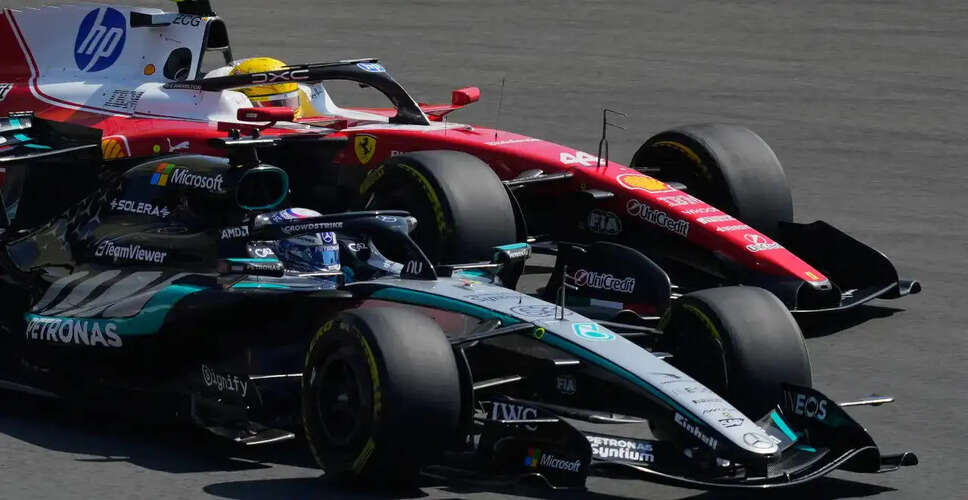
Cancellation of Grands Prix
The Formula 1 races scheduled for Bahrain and Saudi Arabia have been officially cancelled due to ongoing conflicts in the Middle East. This decision aligns with the trend of major sporting events being postponed or called off in the region amid the escalating Iran conflict. The announcement was made by Formula 1 and its governing body, the FIA.
In a statement on social media, Formula 1 confirmed, "The Bahrain and Saudi Arabian Grands Prix will not occur in April. Given the current situation in the Middle East, the Grand Prix, along with F2, F3, and F1 Academy events, will not proceed as planned. Although alternative options were explored, no replacements will be made for April." The Bahrain GP was set for April 12 at the Bahrain International Circuit, while the Saudi Arabian GP was scheduled for April 19 at the Jeddah Corniche Circuit.
Stefano Domenicali, the President and CEO of Formula 1, remarked, "This was a tough decision, but it is the right one given the circumstances in the Middle East. I want to express my gratitude to the FIA and our dedicated promoters for their understanding and support, as they were eager to host us with their usual enthusiasm. We look forward to returning as soon as conditions permit."
FIA President Mohammed Ben Sulayem emphasized, "The FIA prioritizes the safety and well-being of our community and colleagues. After thorough consideration, we made this decision with that responsibility in mind. We hope for peace and a quick return to stability in the region, and my thoughts are with all affected by these recent events." He added that Bahrain and Saudi Arabia play a crucial role in the racing season, and he anticipates returning to both venues when feasible.
Sheikh Salman bin Isa Al Khalifa, Chief Executive of the Bahrain International Circuit, expressed support for Formula 1's decision, stating, "We appreciate the support from Formula 1 and the FIA, and we look forward to welcoming fans back to Bahrain when F1 returns. I extend my heartfelt thanks to everyone in the F1 community who has reached out with messages of support."
The cancellations come amid rising tensions in West Asia, with military operations and retaliatory actions involving Iran, the United States, and Israel escalating following the assassination of Iran's Supreme Leader, Ayatollah Ali Khamenei, in joint military strikes by the US and Israel on February 28. These strikes also resulted in the deaths of several senior leaders of the Islamic Republic. In response, Tehran has targeted American military bases in various Arab nations and Israeli interests in the region. The conflict has further intensified, with Israel and the US continuing their military actions against Tehran, expanding the conflict to Lebanon by targeting Hezbollah and Iranian-backed groups.