
Thomas Tuchel Critiques VAR and Refereeing Standards at FIFA World Cup 2026
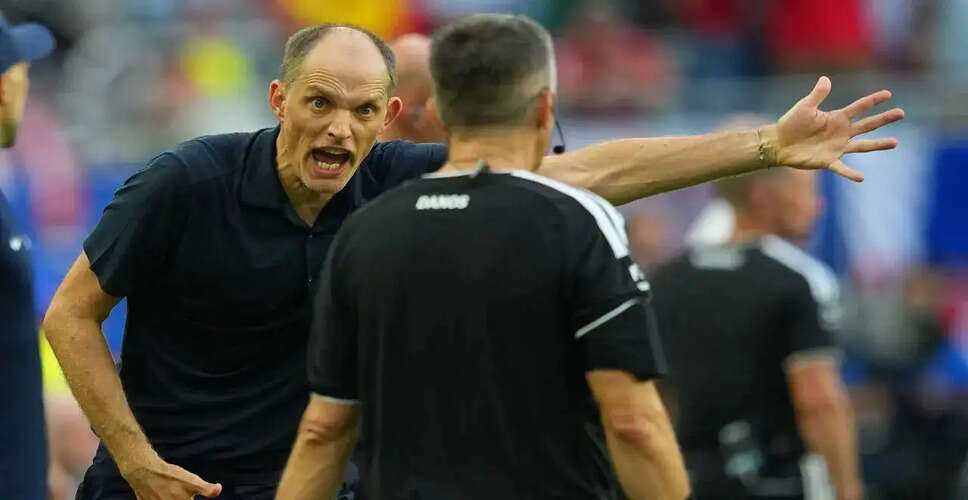

Tuchel's Concerns Over Officiating
England's head coach, Thomas Tuchel, has expressed strong dissatisfaction with the officiating during the FIFA World Cup 2026, highlighting that inconsistent refereeing and VAR decisions have put all remaining teams at risk of elimination due to dubious calls. England is set to compete against Argentina in the semifinals on July 16, having advanced after a 2-1 victory over Norway in the quarterfinals.
Tuchel's discontent arose from two pivotal decisions in England's last-16 match against Mexico, which ended in a 3-2 win for the Three Lions. Defender Jarell Quansah received a red card, and a penalty was awarded to Mexico following a foul by Harry Kane. Both incidents were reviewed by the Video Assistant Referee (VAR), leading match referee Alireza Faghani to alter his initial judgments.
Despite England's success, Tuchel emphasized that the problem of inconsistent officiating is a broader issue affecting the tournament. He stated, "The referees can send any team out in any moment. It's just not good enough. It's just erratic. It's just unreliable in matches." He also criticized the behavior of fourth officials, who he claimed were overly aggressive in enforcing coaching zone regulations.
While England faced two VAR interventions, Tuchel clarified that his critique was aimed at the overall inconsistency rather than specific calls. When asked if he would address VAR usage with his players, he dismissed the notion, stating, "What can they do? We give everything and then decisions are overturned in a very questionable way." He added that the inconsistency in officiating extends beyond major decisions to smaller ones, creating an unpredictable environment for teams.
Tuchel further argued that as the quality of international football rises, officiating standards must also improve. He noted that teams traditionally seen as underdogs are now performing at high levels, which necessitates equally high-quality refereeing. "You play at a high level now," he remarked. "The so-called underdogs, like DR Congo and Cape Verde, are competing at the highest level. The game has changed significantly, and the officiating must reflect that. It's simply not adequate for the players or the sport."