
Spain Clinches FIFA World Cup 2026 Title with Tactical Brilliance

Spain's Tactical Mastery in the Final
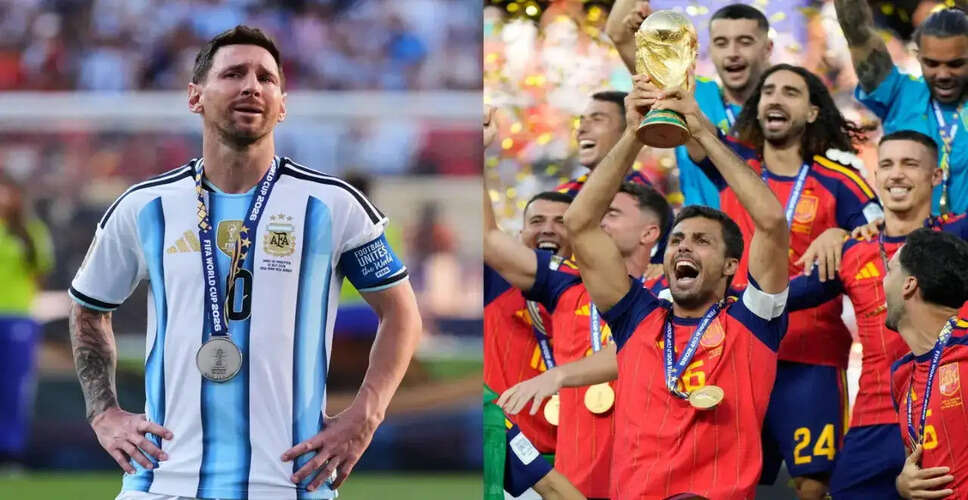
Spain showcased their tactical superiority by defeating Argentina 1-0 in extra time to secure their second FIFA World Cup title. This victory was not merely a win; it was a strategic dismantling of the Argentine side, who struggled to create any scoring opportunities. Spain's approach was not about defensive play but rather a proactive strategy that involved high pressing and ball possession, effectively neutralizing Lionel Messi in what could be his final World Cup match.
Establishing a Strong Defensive Foundation
Building The Ultimate Base
Throughout the tournament, Spain's defense was formidable, conceding only one goal, setting a record for the fewest goals allowed by a champion team. Indian defender Sandesh Jhingan emphasized the importance of a solid defensive foundation, stating, "Strikers win games, but defense secures titles." Spain's defensive setup allowed their attacking players the freedom to perform, resulting in 21 shots on goal during the final, with 12 on target. Without Emiliano Martinez's record 11 saves, the scoreline could have been much higher.
Utilizing Possession as a Defensive Strategy
Possession As A Defensive Weapon
Spain's defense began with their ball control, achieving 65% possession and completing 853 passes with an impressive 89% accuracy. This strategy was not merely for show; it was a calculated effort to exhaust Argentina and limit Messi's influence. By controlling the game, Spain effectively dictated the pace and flow, forcing Argentina into a defensive posture.
Mastering Transitions
The Art Of Transition
Spain's tactical brilliance was evident during transitions, where they effectively pressed opponents immediately after losing possession. Jhingan noted that even if an Argentine player bypassed the initial pressure, they faced a robust secondary defense led by Rodri and the central defenders. This dual-layered approach ensured that Spain maintained control and prevented Argentina from mounting any significant attacks.
Key Figures Behind the Victory
The Architects: Luis De La Fuente and Rodri
Rodri played a pivotal role in Spain's success, earning the Golden Ball for his outstanding performance, especially after recovering from a serious injury. Jhingan highlighted the head coach Luis de la Fuente as the true mastermind behind the team's success, crediting him for creating an unplayable squad.
Messi's Future in Question
Is This Lionel Messi's Last FIFA World Cup?
Due to Spain's relentless pressure, Messi had a subdued performance in what many anticipated would be his last World Cup. However, Jhingan suggested that with advancements in sports science and Messi's determination, retirement is not a certainty. He expressed admiration for Messi, calling him one of the greatest players in history and wishing him well in his future endeavors.