
India's Football Setback: ISL Teams Face Demotion in Asian Competitions
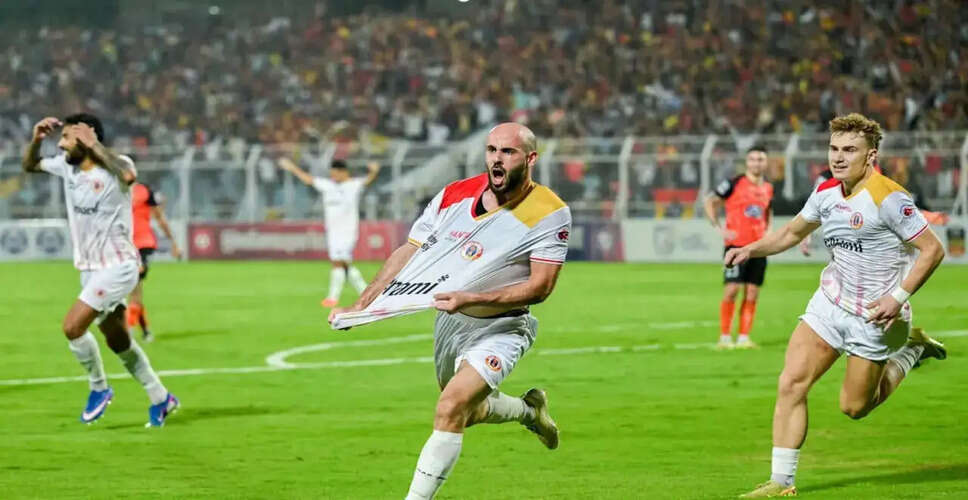

East Bengal's Historic Victory and India's Football Challenges
East Bengal celebrated a significant achievement by clinching their first ISL trophy in 2026, marking their first league victory in over two decades. However, as they prepare to compete in a prestigious Asian tournament next year, the future looks bleak for the upcoming season's champion. Due to ongoing administrative challenges and a poorly organized domestic league, India has been relegated to the lowest tier of Asian club football for the 2027–28 season.
Indian football clubs once proudly participated in the AFC Champions League, the pinnacle of club football in Asia. Recently, they have dropped to the second tier, known as ACL 2. While India retains two qualifying spots for this second tier in the upcoming 2026–27 season, featuring ISL champions East Bengal and Super Cup winners FC Goa, the outlook for the following year is grim.
For the 2027–28 season, the Asian Football Confederation (AFC) has allocated India just one qualifying playoff spot in the AFC Challenge League, which is the third and lowest tier in Asia's club hierarchy. Consequently, Indian teams will now compete against clubs from nations such as Pakistan, Nepal, Bhutan, Sri Lanka, Maldives, and Bangladesh.
Reasons Behind India's Loss of Spots
Why Did India Lose Its Spots?
The AFC determines participation in its premier tournaments based on a country's football infrastructure and the management of its domestic league, rather than the national team's FIFA ranking. India's drop is a direct consequence of failing to meet these administrative and structural criteria.
A significant factor was the insufficient number of matches played. To qualify for the top two tiers in Asia, the AFC mandates that a domestic league must operate for a minimum of eight months, with clubs required to play at least 24 matches per season in a proper home-and-away format. The recently concluded ISL season fell short of these elite standards, with teams only competing in 13 matches and lacking a strict home-and-away schedule. Currently, India's league format only meets the minimum requirement of 12 matches needed for qualification to the third tier.
Additionally, the poor performance of Indian clubs on the field has exacerbated the situation. In recent years, local teams have struggled to make a mark in Asian competitions, leading to a significant drop in India's overall ranking in the West Asia region, plummeting from 10th to 15th place.
Consequences for the ISL
The Impact On ISL
This demotion is a tough reality for fans, players, and administrators, posing a threat to the growth of the ISL. A former Indian football official expressed shock, stating, "We were competing in the ACL top division and then ACL 2. Now we are relegated to the third tier... our football system has been deteriorating for some time." Another pressing concern is the potential decline in interest from high-quality foreign players in the ISL. Without the allure of competing in elite Asian tournaments against the continent's best, the prestige of Indian football may diminish, making it challenging for local clubs to attract and retain top international talent.