
Haiti's Inspiring Journey to the 2026 FIFA World Cup
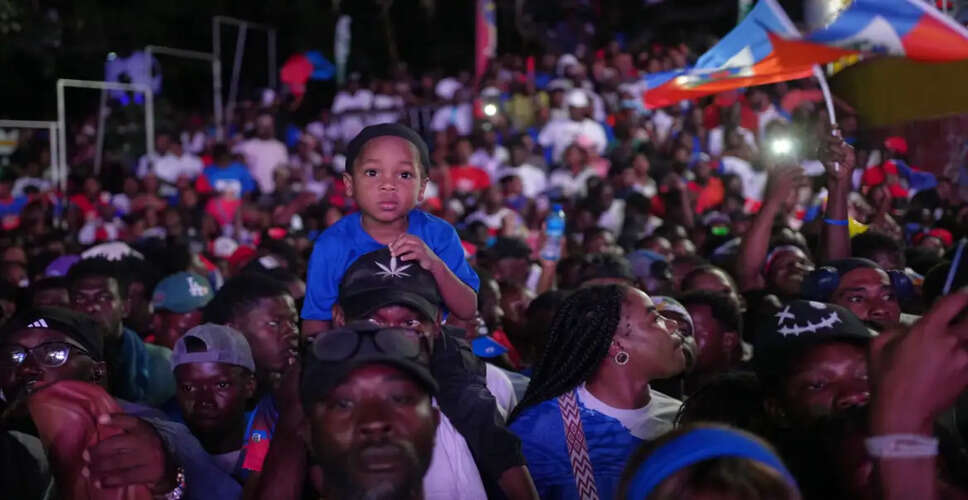

Haiti's Historic World Cup Qualification
The upcoming 2026 FIFA World Cup is set to feature several remarkable narratives, including the debut of four nations, such as Curaçao and Cape Verde, which are among the least populated countries to qualify. However, Haiti's story stands out as particularly inspiring. On June 19, the Caribbean nation will face Brazil, the five-time champions, at Lincoln Financial Field in Philadelphia, all while grappling with a significant political and humanitarian crisis back home. This marks only the second time Haiti has qualified for the World Cup, their first being in 1974 when they were placed in Group 4 with Poland, Argentina, and Italy, losing all three matches. They are still in pursuit of their first World Cup point after losing to Scotland in their opening match of the 2026 tournament.
Haiti's Journey of Hope
The qualification of Haiti is a beacon of hope, as they reached this prestigious event in the USA, Canada, and Mexico despite being in exile and not having played a single match on home soil for five years. Their head coach, Sébastien Migné, has never set foot in Haiti, and nearly all players are based abroad. Since 2020, the nation has been plagued by conflict, particularly in Port-au-Prince, where gangs control up to 90% of the capital, making it nearly impossible for the team to play at their home ground, the Stade Sylvio Cator. Consequently, Haiti has played all their home matches since 2021 at neutral venues, primarily in Curaçao, approximately 516 miles away, at the Ergilio Hato Stadium in Willemstad.
Haiti's qualification comes amid widespread poverty, with UNICEF reporting in 2023 that around 59% of the population lives below the poverty line. The political and economic landscape deteriorated significantly after the devastating earthquake in 2010, which claimed over 100,000 lives and inflicted around $8 billion in infrastructural damage. The earthquake had a direct impact on football, resulting in the deaths of 30 members of the Haitian Football Association, including players, coaches, and medical staff.
A Diverse Team of Players
While the head coach is French, the 26-player squad for the tournament features 10 players born in Haiti. The remaining 16 players were born to Haitian parents who migrated to countries with a significant Haitian diaspora, including France (12 players), the USA, Canada, Belgium, and Slovakia.
The Revival and Qualification Journey
Migné's appointment in 2024 marked the beginning of Haiti's revival, leading them back to the World Cup. He has stated that traveling to Haiti is unsafe, so he manages the team remotely, relying on phone calls for updates. "It's impossible because it's too dangerous. I usually live in the countries where I work, but I can't here. There are no more international flights landing there. They provided me with information, and I managed the team from afar," Migné explained to a French football magazine. Since his arrival, he has successfully persuaded players like Jean-Ricner Bellegarde, Auxerre winger Josué Casimir, and Hannes Delcroix to represent Haiti.
Haiti began their qualification campaign in the second round, finishing second in Group C to advance to the third round alongside group leaders Curaçao, while Saint Lucia, Aruba, and Barbados were eliminated. They then topped their third-round group, securing their spot in the 2026 FIFA World Cup ahead of teams like Honduras, Costa Rica, and Nicaragua.