
Controversies Surrounding the 2026 FIFA World Cup: Ticket Issues and Team Challenges

2026 FIFA World Cup Kicks Off Amid Controversies
The highly anticipated 2026 FIFA World Cup is set to commence this week, featuring a match between Mexico and South Africa at the historic Estadio Azteca in Mexico City. This venue is renowned in football history, having hosted the World Cup finals in both 1970 and 1986, where legends Pelé and Diego Maradona triumphed. Unlike previous tournaments hosted solely by Mexico, this edition will see it co-hosted with the United States and Canada. The USA previously hosted the World Cup in 1994, while this marks the inaugural event in Canada.
However, the lead-up to the tournament has been marred by significant controversies. The Iranian football team faces a major obstacle due to ongoing tensions between Iran and the USA, raising doubts about their ability to participate in matches scheduled in the USA. They were forced to relocate their training base to Mexico and only received their US visas shortly before the tournament began, with reports indicating they might have to travel to and from the USA on match days. Additionally, Iraq striker Aymen Hussein was detained by US authorities upon arrival and subjected to extensive questioning.
Ticket Sales Controversy
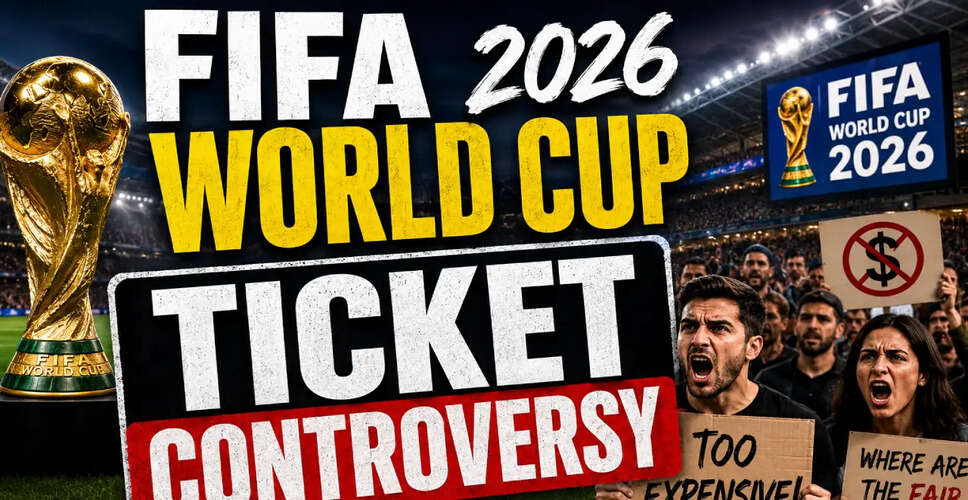
A significant issue surrounding the World Cup has been the lack of transparency from FIFA regarding ticket sales. There was no clear information on the number of tickets available or their pricing. When tickets were released on October 1 of last year, the prices sparked outrage, being labeled as the 'most expensive' in World Cup history by various outlets, leading to protests from fans globally. FIFA's dynamic pricing model further complicated matters, with prices fluctuating at different sales stages. During the final open sale in April, new, higher-priced categories were introduced, which were not available during the initial ballot sales.
Prior to the ticket sales, FIFA had also sold collectible tokens through a partnership with Modex, their blockchain collaborator. These tokens allowed fans the right to purchase tickets for specific matches, but did not cover the ticket costs, requiring fans to pay the full price. Reports indicate that FIFA sold over 30,000 tokens, generating more than $10 million in revenue.
Resale Market Issues
FIFA President Gianni Infantino claimed in February that all tickets were sold out, a statement that has been contradicted by ongoing availability on various resale platforms, including FIFA's own. Among the three host nations, only two out of nine group stage matches are reported as sold out. Even the opening match is still available for purchase on FIFA's official site. Data from TicketData indicated that 74,000 tickets were still up for grabs across 86 of the 104 matches, with numbers fluctuating rapidly.
Prices on FIFA's resale platform have seen a significant drop, with reductions exceeding £100 for several matches. For instance, the price for the South Africa-Algeria match plummeted from £471 to £171. Recently, FIFA mistakenly sold 60 tickets for free due to a website glitch, only to later require fans to return them. Additionally, many fans are encountering difficulties obtaining US visas despite having tickets, and FIFA's initial ban on water bottles in the stands was reversed following public backlash.