
FIFA World Cup 2026 Introduces New Anti-Racism Gesture for Players
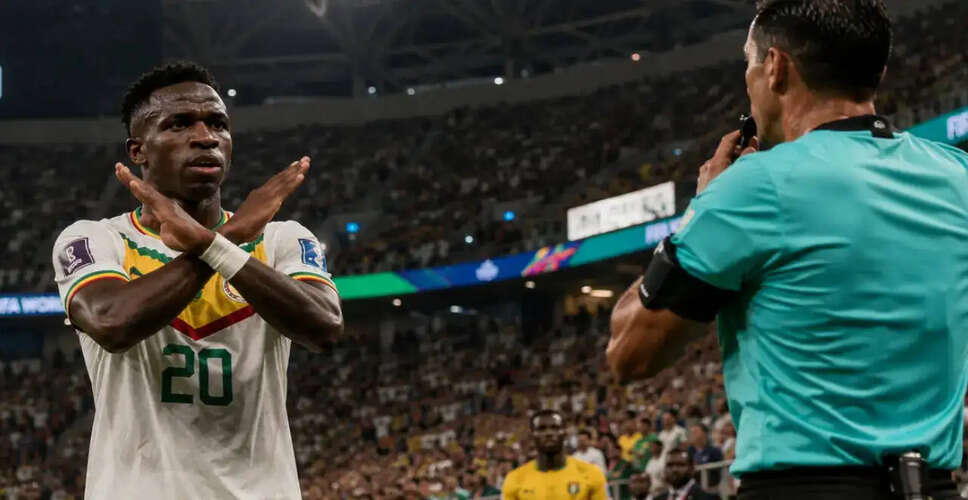

New Gesture to Combat Racial Abuse in Football
During the upcoming FIFA World Cup 2026, football players will have a significant method to report incidents of racial abuse. A crossed-armed 'X' gesture will initiate a series of actions that can pause, suspend, or even terminate the match. This initiative is part of FIFA's “Global Stand Against Racism,” which received approval from the 211-member association in 2024. The proposal to implement this rule across all member associations was unanimously accepted, establishing a cohesive approach to address racial abuse. The rule was initially trialed during the FIFA Under-20 Women’s World Cup in Colombia and is set to be applied in the men's World Cup.
FIFA president Gianni Infantino emphasized the importance of this initiative, stating that the 'No Racism' gesture at the FIFA Under-20 Women’s World Cup 2024 is a crucial step in empowering players globally. He remarked, “Implementing the 'No Racism' gesture at the FIFA Under-20 Women's World Cup 2024 in Colombia is a key first step to empowering players throughout the world.” Infantino expressed gratitude to FIFA's members for their commitment to eradicating racism from football and society. The announcement of this development was made by journalist Henry Winter on X, although an official statement from FIFA is still pending.
Players to make crossed-forearms X gesture to alert referees to any incidents of racism at the World Cup. As part of Fifa’s “No Racism” campaign, a three-step procedure should then see the match stopped, suspended for 15 minutes or abandoned if the abuse continues.
— Henry Winter (@henrywinter) June 3, 2026
Understanding FIFA's Three-Step Anti-Racism Protocol
In the event of racial abuse during a match, players can signal the 'X' gesture to the referee, who will then activate FIFA's three-step protocol designed to protect the player in real time. Upon receiving the 'X' signal, the referee can immediately halt the game, followed by an announcement explaining the reason for the stoppage and warning that further abuse could lead to more severe consequences. If the player faces additional abuse after the match resumes, they may be instructed to leave the field, resulting in a suspension of play. Another warning will follow regarding the repercussions of such actions. Should the situation not improve after a second restart, the referee has the authority to call off the match, a decision that will not be taken lightly and will involve consultation with relevant officials.