
FIFA World Cup 2026: Infantino's Commitment and Controversies

Overview of the 2026 FIFA World Cup
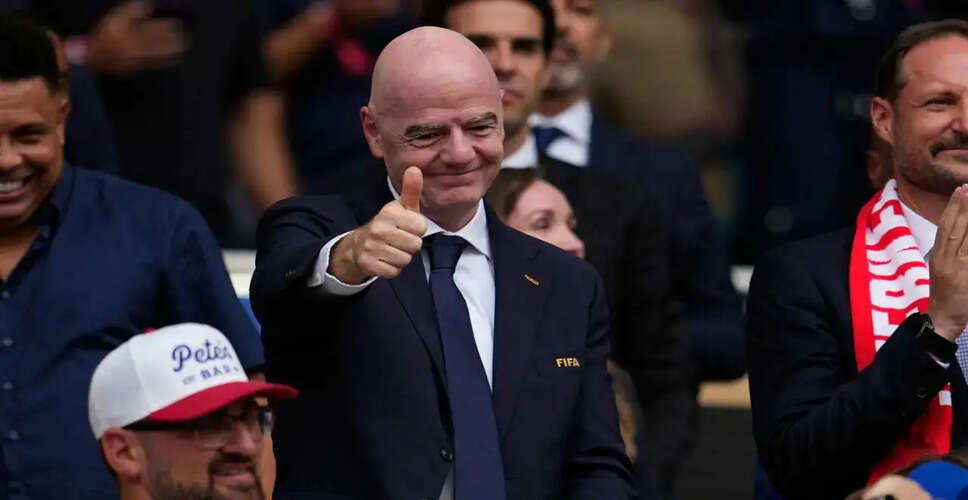
The 2026 FIFA World Cup is shaping up to be the largest in the tournament's history, with 102 matches already completed and just two remaining. France is set to face England in the third-place playoff, while Argentina will clash with Spain in the highly anticipated final at MetLife Stadium on Sunday, July 19. Despite the players enjoying ample rest between games, FIFA President Gianni Infantino has been a prominent figure in the stands, attending matches across the three host nations: the USA, Canada, and Mexico. So far, he has been present at 38 games and plans to witness the final two matches in the United States. According to Bloomberg, Infantino has traveled approximately 57,700 miles during the tournament, which is akin to making two complete circuits around the Earth’s equator.
Infantino attended all 64 matches in Qatar and has already made headlines by being present at 38 games across three countries. The report from Bloomberg highlights that he has managed to attend two matches in different cities and countries on 13 occasions, demonstrating his dedication to the global event. For instance, on June 26, he traveled from Dallas to Seattle and then to Miami, covering a distance of 5,500 miles.
Infantino's Recent Controversies
Infantino in the Spotlight
While Infantino's dedication to the tournament is commendable, he has also been in the news following FIFA's decision to revoke Folarin Balogun's one-match suspension. The USA player received a red card for a serious foul against Bosnia and Herzegovina, but his ban was lifted, allowing him to participate in the match against Belgium. Infantino confirmed that he had discussions with US President Donald Trump regarding the player's suspension. In a statement released by FIFA, he emphasized the independence of FIFA’s judicial bodies, stating, “I have seen the public comments regarding the decision of the independent FIFA Disciplinary Committee related to the suspension of Folarin Balogun, and I would like to reiterate a fundamental principle of FIFA’s governance. FIFA’s judicial bodies are independent. They operate autonomously, apply the FIFA Disciplinary Code, and decide cases based on the applicable regulations and the specific facts before them. Their independence is essential to the credibility and integrity of football, and this must always be respected.”