
Exploring the Varieties of Bowling Techniques in Cricket
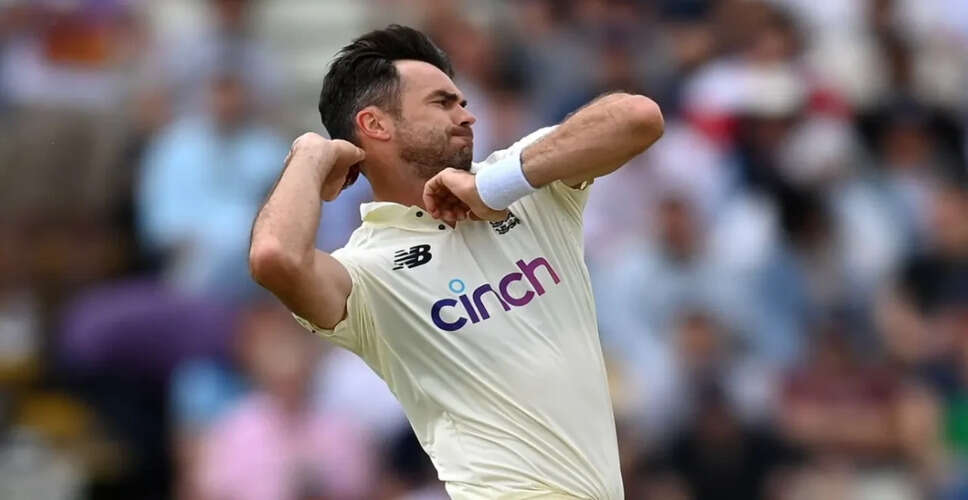
The Essence of Bowling in Cricket
Bowling serves as the core of cricket, where skill, strategy, and technique converge. Whether it's delivering rapid pace that intimidates batsmen, executing precise seam movements that dismantle defenses, or employing clever spin to confuse opponents, bowling is pivotal in the battle between bat and ball. Understanding the various types of bowling in cricket is essential for players, coaches, and enthusiasts alike.
Classification of Bowling Styles
In contemporary cricket, bowlers are generally categorized into pacers and spinners. However, each category encompasses a wide range of specialized delivery techniques, including yorkers, bouncers, off-spin, leg-spin, arm balls, and doosras. Mastering these variations enables bowlers to adjust to different pitch conditions, exploit batsmen's weaknesses, and respond to various game scenarios.
Overview of Bowling Techniques
This article delves into the primary categories and subtypes of cricket bowling, detailing their characteristics, applications, and significance in the sport. Whether you're a novice learning the game or strategizing for a match, understanding the different types of bowling in cricket enhances the skill and preparation involved in each delivery.
Different Types of Bowling in Cricket
Bowling Type |
Description |
Fast/Express Pace |
Over 142 km/h, relies on speed |
Fast-medium Pace |
130–141 km/h with seam and swing |
Medium-Fast Pace |
120–129 km/h, balanced pace/control |
Swing Bowling |
Outswing, inswing, reverse swing |
Seam Bowling |
Movement off the pitch using seam |
Off-spin (Finger Spinners) |
Right-arm spin away from right-hander |
Leg-spin (Wrist Spinners) |
Spin away from right-hander with wrist |
Left-arm Orthodox Spin |
Finger spin turning into right-hander |
Left-arm Unorthodox Spin |
Wrist spin turning away (chinaman) |
Variations (Topsp., Doosra, etc.) |
Subtle delivery tweaks |
Fast / Express Pace
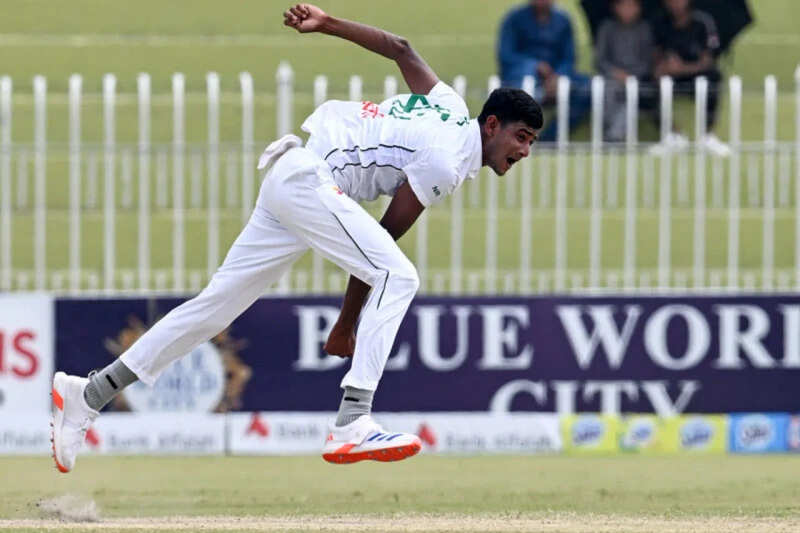 Image Source : Getty Images
Fast bowlers deliver at astonishing speeds, typically exceeding 142 km/h, using their pace to unsettle batsmen. Their strategy revolves around bounce and intimidation, aiming to force errors through sheer speed. Notable bowlers like Shoaib Akhtar and Brett Lee have utilized their velocity and accuracy to dominate opposing teams.
Additionally, express pace bowlers can achieve reverse swing, a skill perfected by legends like Shoaib and Waqar Younis. They often employ bouncers to disrupt batsmen's rhythm, making them invaluable assets in all formats of the game.
Fast-medium Pace
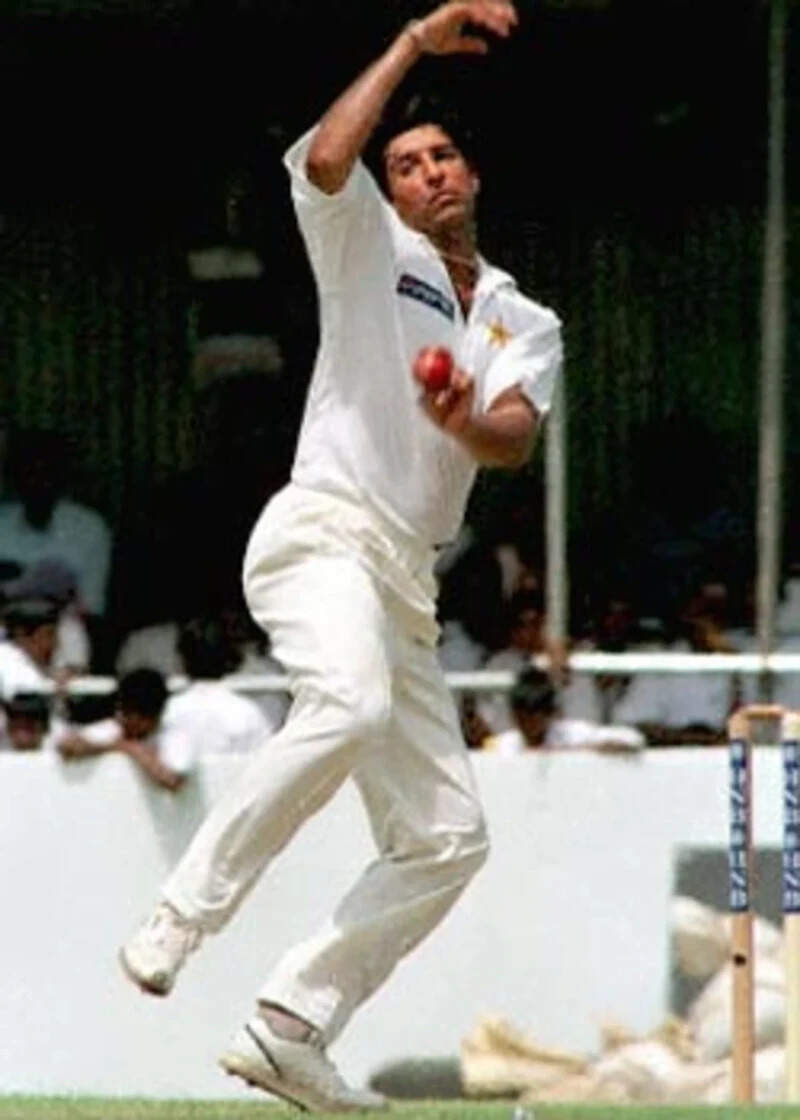 Image Source : AFP
Fast-medium bowlers, operating between 130 and 141 km/h, blend speed with subtle seam and swing movements. While not as fast as express bowlers, they excel at disrupting batsmen's timing, leveraging pitch conditions to create lateral movement. Bowlers like James Anderson and Glenn McGrath have mastered this art, delivering consistent outswingers and inswingers.
Their toolkit includes cutters, selective bouncers, and cleverly disguised slower balls, making them crucial in maintaining pressure and dictating the game's tempo.
Medium-fast Pace
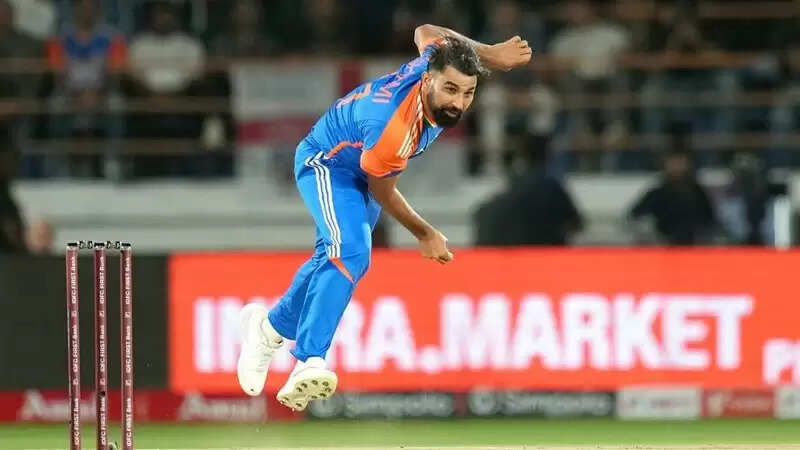 Image Source : BCCI
Medium-fast bowlers, delivering at 120–129 km/h, strike a balance between speed and control. Their effectiveness lies in seam movement and clever slower deliveries rather than raw pace. Players like Colin de Grandhomme and Mohammad Abbas have excelled in this role, focusing on maintaining tight lines and creating wicket-taking opportunities through deception.
Their unpredictability, utilizing cutters and knuckleballs, makes them valuable in various formats, especially in T20 and ODIs.
Swing Bowling
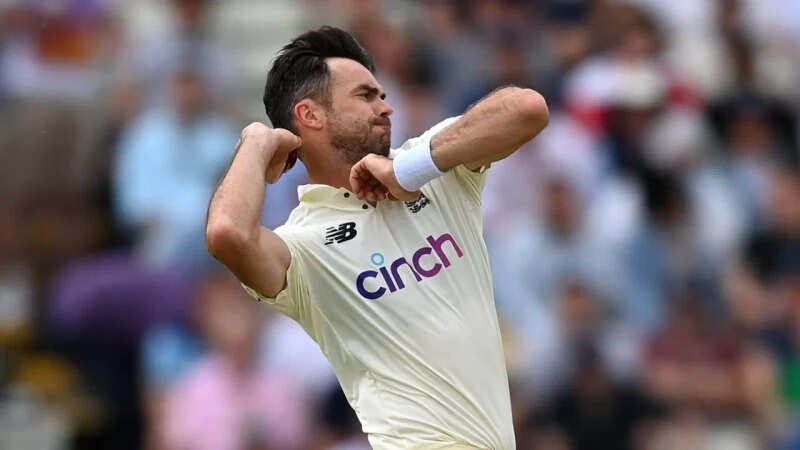 Image Source : Getty Images
Swing bowlers utilize seam and shine techniques to create outswingers, inswingers, and reverse swing. Outswingers move away from right-handers, while inswingers move inwards, requiring precision and control. Bowlers like Wasim Akram and James Anderson have mastered reverse swing, where the ball unexpectedly changes direction.
Swing bowling is an art form, demanding skill in seam position and shine management, making it effective in various conditions, particularly when the ball is worn.
Seam Bowling
 Image Source : Getty Images
Seam bowlers depend on the vertical seam position to generate movement off the pitch. This movement can be subtle yet impactful, causing unpredictable bounce that confounds batsmen. Bowlers like Glenn McGrath and Chris Tremlett have effectively exploited these conditions, thriving on pitches with grass.
With consistent line and length, seam bowlers can dominate both Test and limited-overs formats, capitalizing on the natural wear of the pitch.
Off-spin (Finger Spinner)
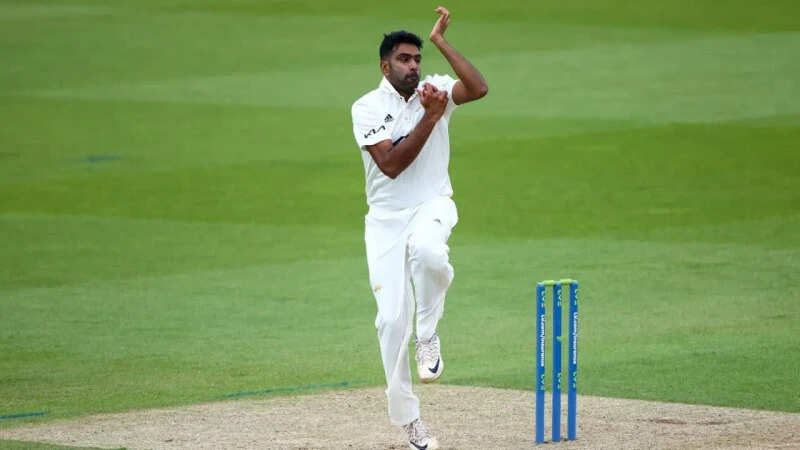 Image Source : Getty Images
Off-spin involves right-arm bowlers using finger spin to turn the ball from off to leg for right-handed batsmen. This technique relies on the spin generated by the index and middle fingers, employing variations like the arm ball and doosra to confuse batsmen. Renowned bowlers such as Muttiah Muralitharan and Harbhajan Singh have excelled in this discipline.
Off-spinners are often introduced in dry conditions, effectively trapping aggressive batsmen and maintaining pressure.
Leg-spin (Wrist Spinner)
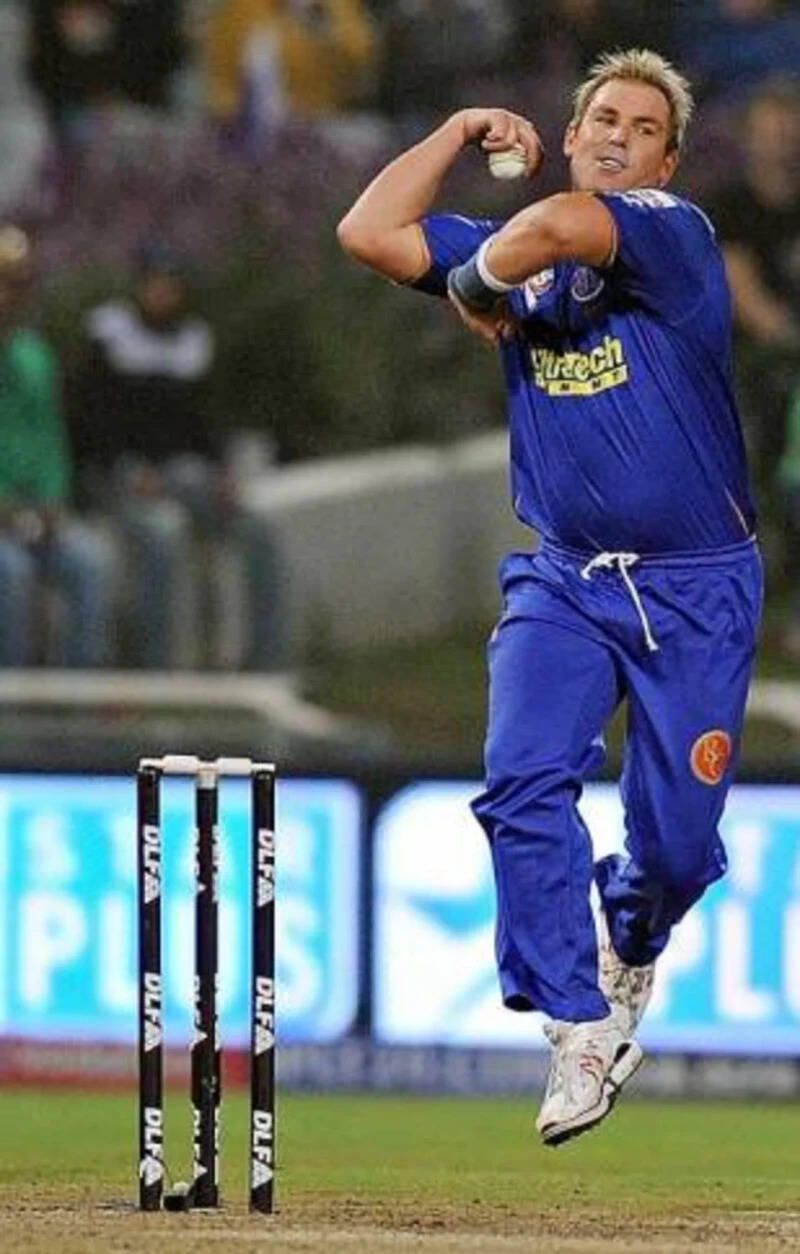 Image Source : AFP
Leg-spin, executed through wrist spin, turns the ball away from right-handers and includes various deliveries such as leg-breaks and googlies. This style is often regarded as one of the most challenging to master. Bowlers like Shane Warne and Anil Kumble have captivated audiences with their ability to deceive batsmen.
A well-disguised googly can turn the tide of a match, while top-spinners create unexpected bounce and dip, making leg-spinners potent game-changers.
Left-arm Orthodox Spin
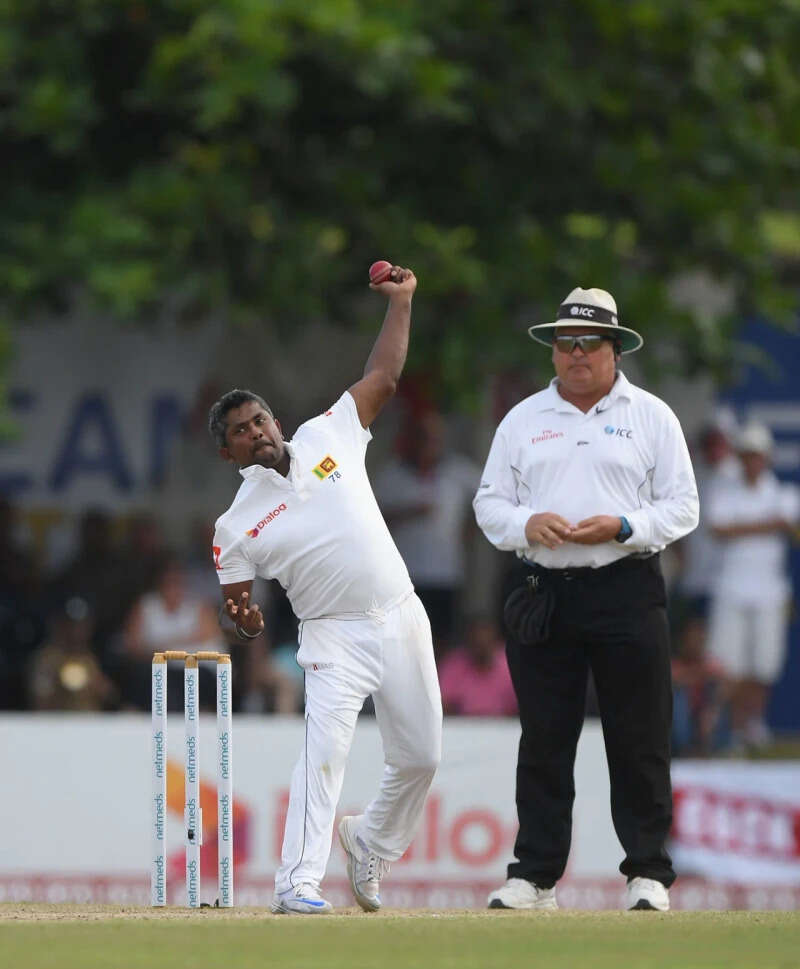 Image Source : Getty Images
Left-arm orthodox spin involves left-arm bowlers turning the ball into right-handed batsmen. This technique emphasizes accuracy and rotation, with bowlers like Daniel Vettori and Ravindra Jadeja excelling in maintaining tight lines and subtle variations.
Their ability to use arm balls and drift effectively makes them valuable in both Test and limited-overs formats.
Left-arm Unorthodox Spin
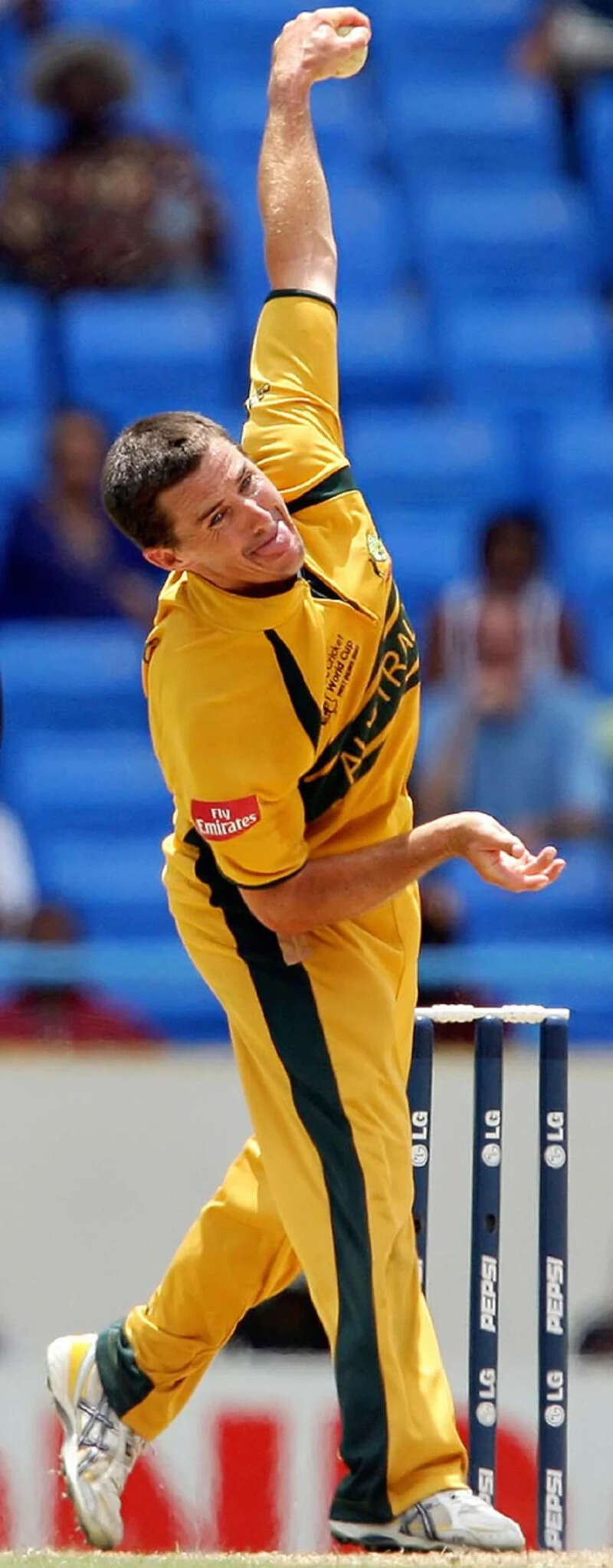 Image Source : Getty Images
Left-arm unorthodox spin, known as "Chinaman," involves wrist spin that turns the ball away from right-handed batsmen. This style incorporates variations like wrong'uns and top-spinners, requiring precise wrist movements. Bowlers like Kuldeep Yadav and Brad Hogg have effectively utilized this technique to outsmart opponents.
The unpredictability of left-arm unorthodox spin adds a unique dimension to bowling strategies, particularly on spin-friendly pitches.
Conclusion
Understanding the various types of bowling in cricket highlights the game's intricate and strategic nature. Each bowling style—whether it be speed, swing, seam, or spin—has its tactical applications. Mastery of these techniques requires exceptional accuracy, adaptability, and a diverse range of variations tailored to specific conditions and opponents. Whether facing a new ball or a dry pitch, bowlers proficient in multiple grips can significantly influence the outcome of a match.