
Enhance Your Pickleball Skills with Effective Wall Drills
Mastering Wall Drills for Pickleball Improvement
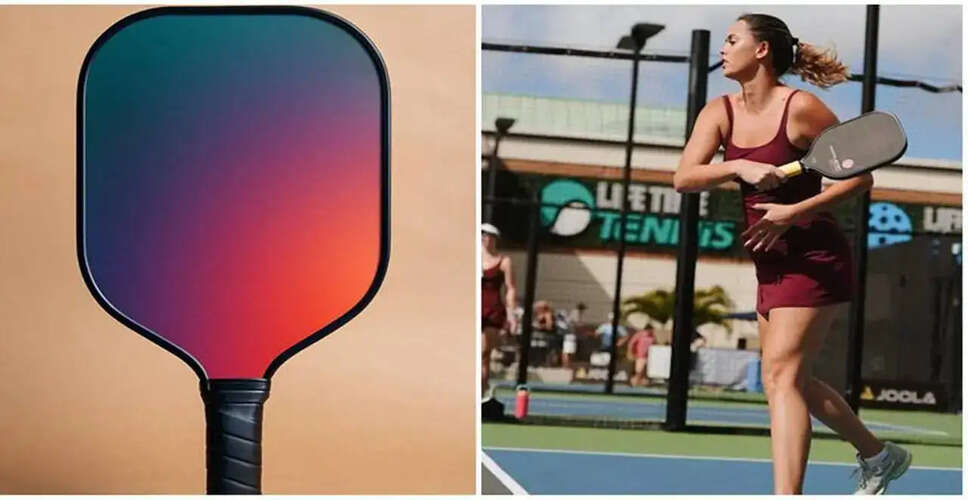
Ava Ignatowich, a professional pickleball athlete, has shared a variety of wall drills designed to enhance players' reflexes, touch, and consistency, particularly when a training partner isn't available. She emphasizes the benefits of practicing against a wall, stating, “When I practice, I feel like I’m only hitting about 25% of my shots. However, hitting against the wall allows me to get many more repetitions, making it a more effective use of my time.”
To start, she suggests practicing low, soft shots akin to dinks to develop better control. Ignatowich acknowledges a limitation of wall practice: players cannot see where their shots land, which can lead to uncertainty about whether they are hitting out-of-bounds or deep shots. Nevertheless, she believes that focusing on feel is crucial during these drills. “This is essential for developing good touch and accuracy for actual gameplay,” she added.
After warming up, she recommends incorporating both attacking shots and defensive resets. “During your dink rally, accelerate towards the wall and block the ball back softly,” she demonstrated. A significant aspect of her routine is enhancing reaction speed. “When hitting against the wall, you must strike the ball in front of you, which helps you develop a better feel for it, as the ball's return can be unpredictable,” she explained.
Ignatowich also introduced a drill that alternates between forehand and backhand shots, allowing players to adjust their distance from the wall to modify the challenge. “The quick return of the ball helps improve hand speed, making this drill a top recommendation for wall practice,” she stated. Additionally, she suggested using lead tape on paddles to build strength during these exercises, while also noting the cardiovascular benefits of driving the ball. “When you drive the ball low and follow through, you can burn a significant amount of calories,” she remarked.
To elevate the intensity of the drills, players can aim their shots side to side. “One of the advantages of wall practice is that perfection isn’t necessary since it’s not a game situation. This allows you to concentrate on your form and footwork, refining these skills without the pressure of hitting a target,” she concluded.