
Tribute to Bob Blair: A Cricket Legend's Legacy

Remembering Bob Blair
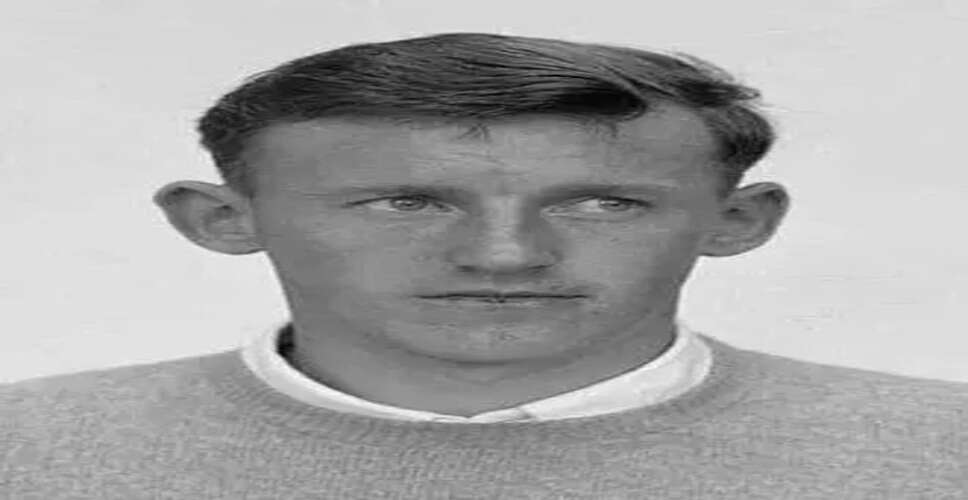
File image of former New Zealand pacer Bob Blair(Photo: @shanko345/X)
New Delhi, June 24: Bob Blair, the former New Zealand fast bowler renowned for his bravery following the Tangiwai rail tragedy, has passed away in England on what would have been his 94th birthday.
Blair played 19 Test matches for New Zealand from 1952 to 1964, taking 43 wickets with an average of 35. His first-class cricket career was remarkable, amassing 330 wickets at an impressive average of 15 over 59 matches, primarily for Wellington and a season with Central Districts.
His peak domestic performance occurred during the 1956-57 season, where he secured 46 wickets at an astonishing average of nine, including two nine-wicket innings hauls.
Blair's legacy was cemented during New Zealand's 1953 tour of South Africa. While playing in the second Test at Ellis Park, he received the tragic news that his fiancée, Nerissa Love, was among the 151 victims of the Tangiwai rail disaster on Christmas Eve.
Despite his grief, Blair made a remarkable appearance at the crease when New Zealand was down to their last wicket on the second day of the Test. He partnered with a wounded Bert Sutcliffe, who had been hospitalized after being struck multiple times while batting.
In front of a shocked crowd of 23,000, they added 33 runs for the final wicket, including a then world-record 25 runs off a single over bowled by South African spinner Hugh Tayfield. This emotional moment resonated deeply with players and spectators alike, marking a poignant chapter in cricket history.
This story later inspired the establishment of the Tangiwai Shield, introduced by New Zealand Cricket (NZC) and Cricket South Africa in 2024 for Test series between the two countries. Blair was the last surviving New Zealand player from that historic match.
Graham Parks, the interim chief executive of NZC, honored Blair, stating that the tale of the fast bowler and the Tangiwai disaster has left a lasting impact on cricket in both nations.
“The bravery and unity displayed during the second Test in South Africa in 1953 and in the years that followed exemplifies the essence of sport,” Parks remarked.
After the 1953 tour, Blair continued to represent New Zealand for another decade, concluding his career against South Africa in Auckland in 1964, where he achieved his best Test figures of 7 for 142.
Even post-retirement, Blair remained actively involved in cricket, playing into his 60s and later coaching in various countries including Queensland, Zimbabwe, South Africa, Northern Ireland, and England.
He eventually settled in Cheshire with his wife Barbara, whom he married in 1986, while nurturing his passion for cricket, golf, and his homeland of New Zealand.
In tribute, the BlackCaps will don black armbands on the first day of the third Test against England in Nottingham on Thursday.