
New National Sports Governance Act Takes Effect, Establishing Key Sports Bodies
Implementation of the National Sports Governance Act
On Thursday, the National Sports Governance Act began its partial implementation, paving the way for the creation of a powerful National Sports Board (NSB) and a Tribunal dedicated to resolving sports-related disputes, as announced by the central government.
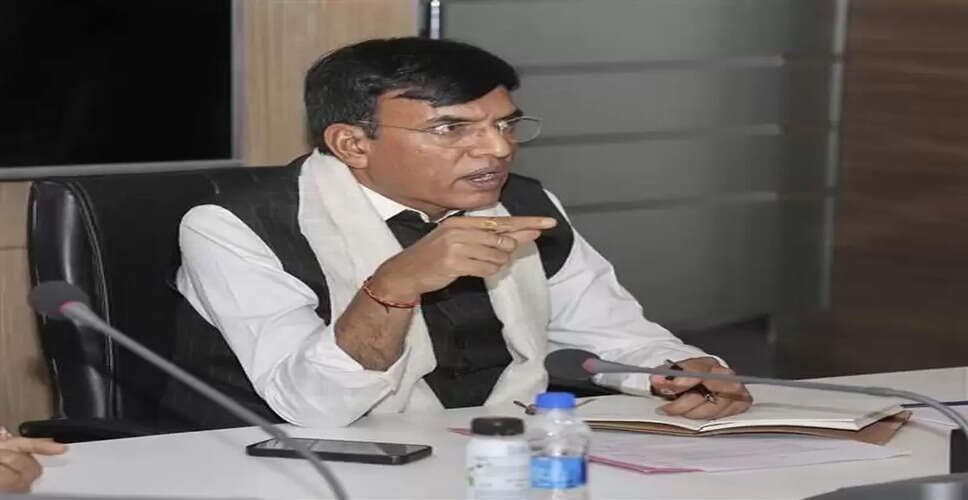
Initially notified on August 18 of the previous year, this Act has been hailed as the most significant reform in Indian sports by Sports Minister Mansukh Mandaviya.
The newly activated provisions focus on the governance and establishment framework for National Sports Bodies, which include the National Olympic Committee, National Paralympic Committee, National Sports Federations (NSFs), and Regional Sports Federations.
According to a press release from the Sports Ministry, specific sections of the Act will now come into effect, including various subsections that outline the operational framework.
Following elections mandated by the Act, these organizations will be required to form Executive Committees consisting of no more than 15 members, including at least two Sportspersons of Merit (SOMs).
The establishment of both the NSB and the National Sports Tribunal (NST) will commence with this partial rollout.
The NSB will be composed of a Chairperson and members appointed by the Central Government, selected from individuals with expertise in public administration, sports governance, and related fields. These appointments will be based on recommendations from a yet-to-be-formed search committee.
The ministry emphasized that this phased implementation aims to facilitate a smooth transition to the new sports governance framework.
To allow for full implementation, the ministry has permitted NSFs with upcoming elections to delay their processes until December, which means the All India Football Federation's elections will occur later in the year.
By January 1, 2026, the institutional mechanisms outlined in the Act will be fully operational.
The NSB, envisioned as a three-member entity, will have the authority to grant affiliations to NSFs, oversee their financial activities, and impose penalties for any misconduct once the Act is fully enacted.
NSFs must obtain NSB affiliation to qualify for government funding. The age limit for NSB members is set at 65, with the possibility of reappointment for one additional term, provided they meet the age requirement.
Members of the National Sports Tribunal will serve four-year terms, with an age limit of 67 years, as per the implementation rules shared for public feedback in October.
Additionally, a National Sports Election Panel (NSEP) will be established to oversee the elections of NSFs and other sports organizations.
Criteria for Sportspersons of Merit
The ministry has released implementation rules that outline specific criteria for athletes, encouraging them to pursue administrative roles as stipulated by the Act.
Athletes interested in these positions must have retired from their sport at least one year prior to applying, and only those who have won an Olympic medal or participated in at least one Olympic Games are eligible for the National Olympic Committee.
The criteria for federations are somewhat more lenient, allowing those with a National Sports Award or medals from World Championships in their respective disciplines to qualify.
Tier one athletes are defined as those who have secured at least one medal in the Olympics or Winter Olympics, while tier two includes those who have competed in two or more Olympic or Winter Olympic events.
The criteria encompass ten tiers, ranked by achievements across various sporting events.