
Mumbai Plans to Build New Cricket Stadium to Compete with Ahmedabad's Narendra Modi Stadium
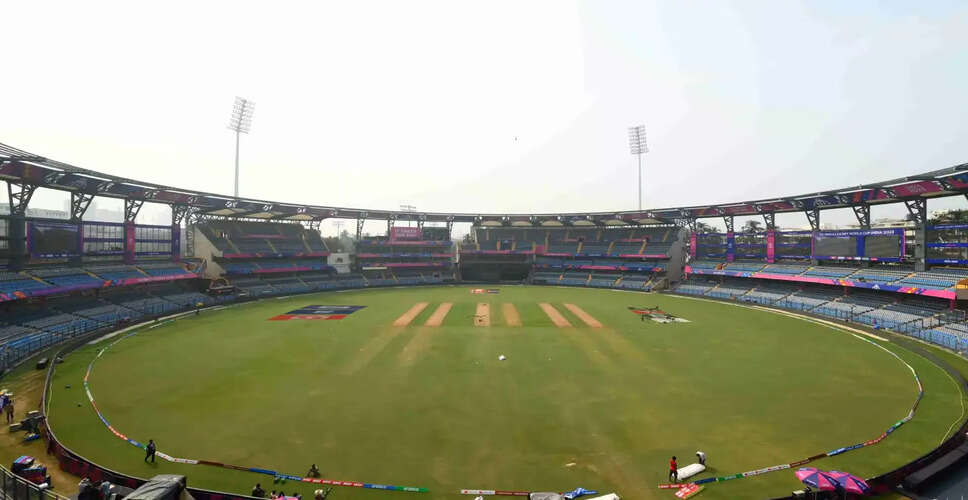
Mumbai's Ambitious Cricket Stadium Project
Mumbai is gearing up to construct a new cricket stadium that aims to rival the renowned Narendra Modi Stadium in Ahmedabad, potentially shifting the city's cricketing activities from the historic Wankhede Stadium. The Mumbai Cricket Association (MCA) has announced plans for this new facility within the Mumbai Metropolitan Region (MMR). Maharashtra's Chief Minister, Devendra Fadnavis, is spearheading this initiative, as confirmed by the MCA.
MCA President Ajinkya Naik and Shri Vijay Singhal, the Managing Director of CIDCO (City and Industrial Development Corporation of Maharashtra), have engaged in extensive discussions to outline the framework for this significant infrastructure project. The proposed stadium is expected to accommodate 100,000 spectators, positioning it among the largest cricket venues globally.
Designed to be a cutting-edge facility, the project aspires to set new standards in sports infrastructure, enhance fan experiences, and promote integrated urban development. It is anticipated that the stadium will boost sports tourism, attract high-profile international events, and elevate the region's standing in the global sports arena. The MCA's statement emphasized that this flagship project aligns with the broader vision of fostering future talent, bolstering grassroots cricket, and establishing world-class platforms for athletes.
Ajinkya Naik remarked, “This initiative signifies a pivotal moment for Maharashtra’s sports landscape. A stadium with a capacity of 100,000 in the Mumbai Metropolitan Region will not only uplift Mumbai cricket but also firmly establish Maharashtra on the global sports map. This state-of-the-art infrastructure will create unmatched opportunities for player development, offer vital exposure to emerging talent, and enhance the cricketing ecosystem at all levels.”
In a conversation with a media outlet, Naik revealed that the stadium will be situated in the Navi Mumbai area, which is rapidly developing and boasts excellent connectivity and proximity to the airport. He stated, “Navi Mumbai is the ideal location for a stadium of this magnitude. We anticipate starting construction in six months, allowing time for planning and design before implementation.”
Since the 2011 World Cup final, the Wankhede Stadium has not hosted any ICC event finals, with Kolkata's Eden Gardens and Ahmedabad's Narendra Modi Stadium hosting the finals of subsequent tournaments. The Narendra Modi Stadium, with a capacity exceeding 100,000, is currently the largest cricket stadium in the world, a benchmark that Mumbai's new stadium aims to achieve. While Wankhede Stadium is steeped in history and offers an exceptional atmosphere, its seating capacity of around 33,000 is significantly lower than many other venues across the country. Mumbai already boasts three Test venues, the highest for any city globally, including the historic Wankhede and Brabourne Stadiums, along with the Gymkhana club, which hosted India's inaugural Test match in 1934. Additionally, the DY Patil Stadium in Navi Mumbai has been a venue for numerous women's international matches, including the semi-final and final of the recent Women's World Cup.