
Controversy Erupts Over PSL No-Crowd Policy Linked to Global Diplomacy
Islamabad United Owner's Controversial Claims
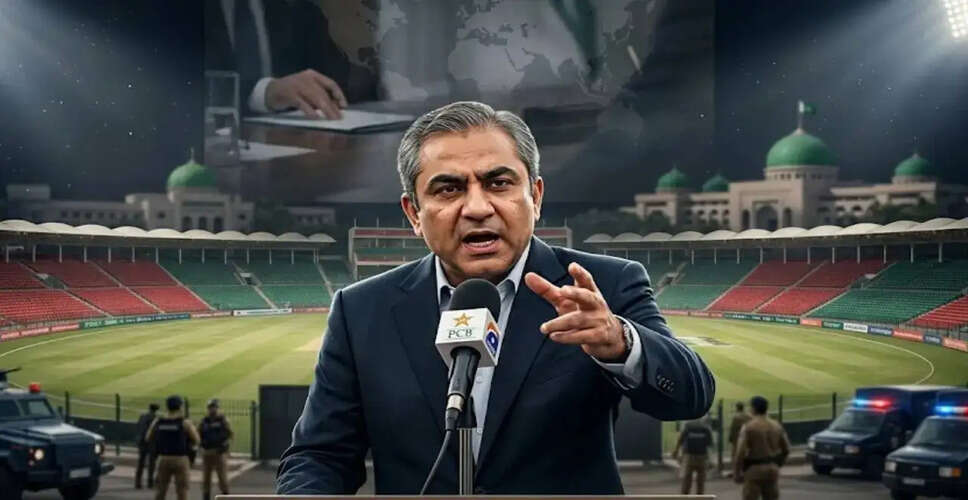
Ali Naqvi, the owner of Islamabad United, has sparked debate by suggesting that the Pakistan Cricket Board (PCB) implemented a no-crowd policy for the Pakistan Super League (PSL) 2026 due to the country's involvement in ceasefire negotiations between the United States and Iran. He implied that Pakistan's commitment to international peace was prioritized over allowing fans into stadiums. Naqvi elaborated that no PSL matches were planned in Rawalpindi because Islamabad was selected as the venue for these sensitive discussions, necessitating enhanced security and logistical flexibility.
Dear @thePSLt20 fans, The latest announcements on the Iran ceasefire and Pakistan’s pivotal role in it finally explain why crowds were not allowed in the stadiums this season. Not hosting matches in Pindi makes complete sense — Islamabad was clearly the chosen venue for…
— Ali Naqvi (@AliNaqvi808) April 8, 2026
However, this assertion seems to contradict the PCB's earlier explanation. PCB chairman Mohsin Naqvi had previously linked the decision to a fuel crisis affecting the nation. He stated, “The Prime Minister has requested restricted movements due to the fuel crisis, so we have decided that the PSL will proceed as scheduled but without spectators.” He also mentioned that matches would occur in Lahore and Karachi, with fan attendance contingent on improvements in the situation.
Naqvi's comments also included a veiled criticism of India and the Indian Premier League, arguing that comparisons between PSL and other T20 leagues are unjust, as those nations do not face similar regional tensions or engage in high-stakes diplomatic efforts.
A Narrative Overplayed
While increased security measures in the capital are typical during significant diplomatic events, framing a domestic tournament's empty stadium policy as a grand narrative of global peacekeeping seems like a stretch. By attempting to portray a logistical issue as a major sacrifice for international diplomacy, Ali Naqvi appears to overstate the situation. In truth, as PCB chairman Mohsin Naqvi clarified, the matter was fundamentally about a serious fuel crisis that restricted movement. Transforming a fuel shortage into a narrative of global peace efforts may attract attention, but it lacks coherence and comes off as more of an exaggeration than a credible explanation.