
Cricket Thrives in Afghanistan Amidst Challenges
Resilience of Afghan Cricket
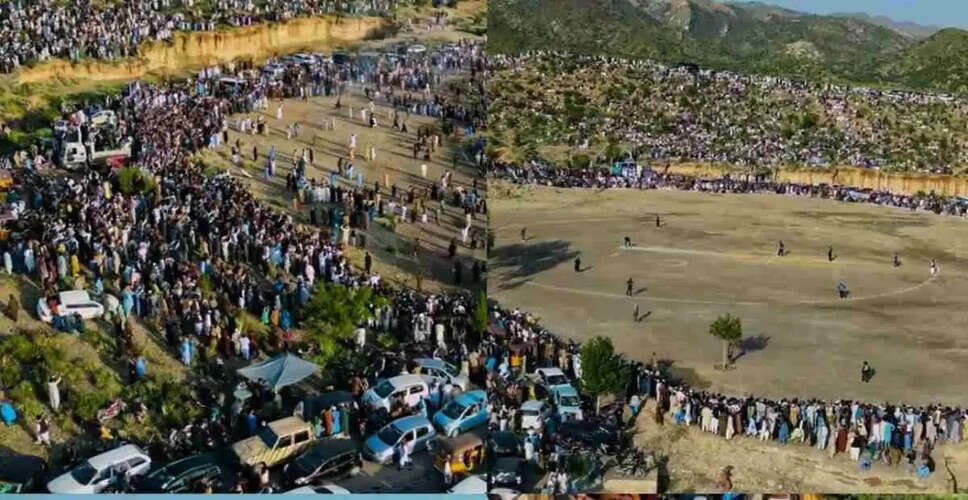
Cricket in Afghanistan has endured through wars, political turmoil, and societal challenges. The men's national team continues to perform admirably on the global stage, showcasing their talent despite the difficult circumstances. Unfortunately, women's cricket has regressed, yet the enthusiasm for the sport among Afghans remains strong. After the Taliban regained control, there were widespread concerns that sports, especially cricket, would be banned. However, the Taliban allowed the men's team to keep playing, and the Afghanistan Cricket Board (ACB) has remained active, organizing matches and training sessions. This was evident recently when large crowds gathered in Afghanistan to watch a local cricket match.
The Passion for Cricket
𝗧𝗵𝗲 𝗰𝗿𝗮𝘇𝗲 𝗳𝗼𝗿 𝗰𝗿𝗶𝗰𝗸𝗲𝘁 𝗶𝗻 𝗔𝗳𝗴𝗵𝗮𝗻𝗶𝘀𝘁𝗮𝗻 𝗶𝗻 𝘂𝗻𝗿𝗲𝗮𝗹!😮
— CricTracker (@Cricketracker) July 13, 2025
A huge crowd gathered in Khost Province for a local cricket match.🙌🇦🇫#Cricket #Afghanistan pic.twitter.com/xfydfCVDlX
For many Afghan youth, cricketing icons like Rashid Khan and Mohammad Nabi symbolize hope for a brighter future. These aspiring athletes aim to achieve international success, steering clear of extremist influences such as ISPK. The absence of a sporting platform in Afghanistan could extinguish these aspirations, leaving vulnerable youth susceptible to radicalization. This situation poses not only a loss for Afghanistan but also a potential international security concern.
A New Era for Women's Cricket?
In August 2021, the Taliban's takeover led to a ban on women's sports, with athletes facing threats and harassment for attempting to play. However, a significant moment occurred when a women's cricket team made up of Afghan refugees in Australia played an exhibition match, marking a hopeful beginning. Earlier this year, this team faced off against a Cricket Without Borders XI at Melbourne's Junction Oval, representing their first collective appearance since relocating to Australia post-Taliban takeover. The team is currently based in Canberra and Melbourne.