
BCCI to Review National Sports Governance Bill Before Commenting
BCCI's Stance on Upcoming Sports Governance Legislation
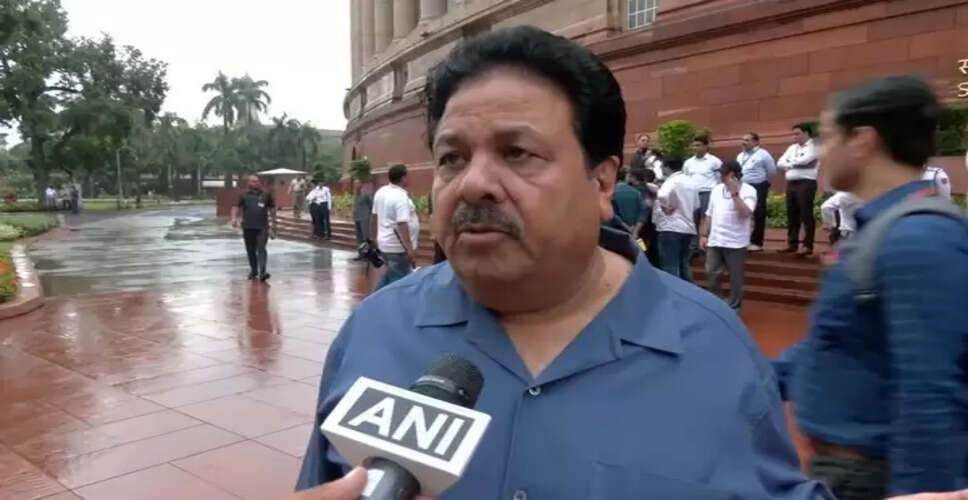
New Delhi [India] - Rajeev Shukla, the vice-president of the Board of Control for Cricket in India (BCCI), announced that the organization will first analyze the National Sports Governance Bill, which is scheduled to be presented in Parliament on Wednesday, before sharing any opinions on it.
According to sources from the Sports Ministry, the anticipated National Sports Governance Bill 2025 is expected to be introduced during the monsoon session and will include the BCCI within its scope. While the BCCI does not rely on government funding, its inclusion was anticipated, especially with the Indian cricket team's upcoming participation in the 2028 Los Angeles Olympics.
Shukla opted not to comment on the bill prior to its introduction, stating, “We will need to review the bill once it is presented. Only then can I provide my insights on it.”
The BCCI operates under the Tamil Nadu Societies Registration Act of 1975 and oversees all cricket-related activities in India, both at the domestic and international levels. Currently, the BCCI is not included among the 45 recognized National Sports Federations (NSFs). If the Indian cricket board is governed by this bill, it may also be subject to the Right to Information (RTI) Act.
Officials indicated that the National Sports Governance Bill aims to address issues such as frequent legal disputes regarding NSF elections and athlete selections, the absence of a dedicated dispute resolution mechanism, inadequate athlete representation in federations, gender disparities in sports leadership, and the lack of a standardized electoral process across federations.
Furthermore, the bill is designed to improve financial transparency and governance within NSFs, as well as establish internal grievance redressal systems. The National Sports Governance Bill aspires to create a legal framework that ensures the transparent and equitable functioning of sports organizations, mandating athlete representation in decision-making processes.
It also aims to facilitate swift dispute resolution through the Sports Tribunal and guarantee fair and transparent elections via an election panel. Officials noted that the government's role will be that of a facilitator rather than a controller.