
BWF Trials Synthetic Shuttlecocks Amid Sustainability Concerns
Introduction to Synthetic Shuttlecock Trials
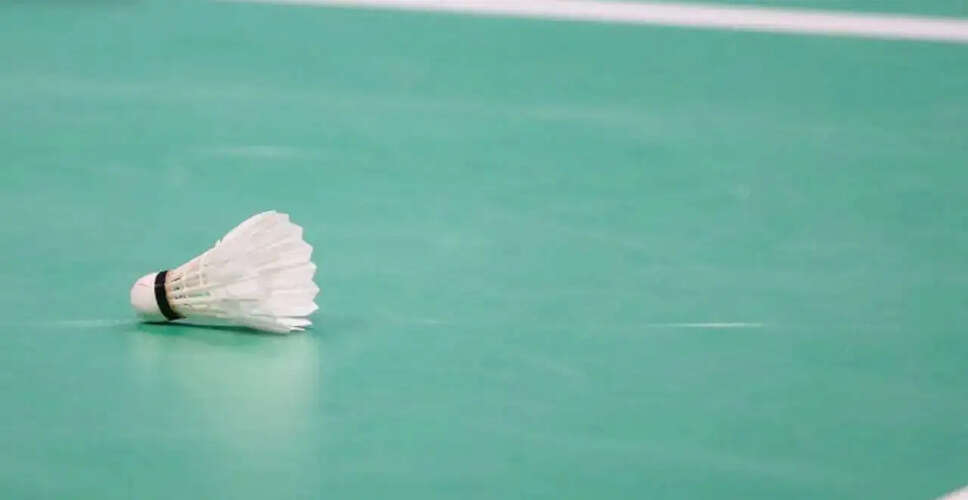
The feather shuttlecock has long been synonymous with badminton, but this may soon change. The Badminton World Federation (BWF) has initiated trials for synthetic shuttlecocks in international competitions. This decision comes in response to sustainability issues, as the declining popularity of duck meat has led to a shortage of feathers, a crucial material for shuttlecock production. Consequently, prices for certain shuttlecocks have doubled, creating challenges for players, federations, and manufacturers alike.
Details of the Trials
The BWF's trials will include synthetic shuttlecocks developed by VICTOR and YONEX, set to be tested at BWF Grade 3 tournaments and Junior International events. This initiative is part of a larger strategy to assess the viability of synthetic feather shuttlecocks for elite-level play. The BWF is collaborating closely with VICTOR, a prominent Taiwanese sporting goods manufacturer, and YONEX, a leading Japanese badminton equipment company. The trials will evaluate the flight, speed, and overall performance of these synthetic shuttlecocks compared to traditional feather variants in competitive settings.
Evaluation Process and Feedback
Two specific models will be tested: the VICTOR New Carbon Sonic Max Synthetic Shuttlecock (SC-NCS-MAX-12) and the YONEX CROSSWIND 70 Synthetic Shuttlecock. The evaluation will not only focus on on-court performance but will also include analysis of manufacturer data and feedback from players, technical officials, and event organizers. This comprehensive approach will aid the BWF in making informed decisions regarding the potential adoption of synthetic shuttlecocks in top-tier tournaments.
Challenges with Traditional Shuttlecocks
Traditionally, shuttlecocks are crafted from feathers sourced from ducks and geese. Duck feathers are typically used for budget-friendly options, while goose feathers, known for their durability and stable flight, are reserved for high-end shuttles. The supply chain for these feathers is closely linked to the poultry industry, particularly in China, where feathers are collected as a byproduct of meat production. However, the focus on meat production has made feather supply unstable.
Advocacy for Alternatives
Last year, India's chief national coach Pullela Gopichand emphasized the need for alternative shuttlecock materials to meet rising demand and stabilize prices. He pointed out that the reliance on goose feathers poses a significant challenge for the sport, especially given the increasing popularity of badminton in populous countries like India, China, and Indonesia.
Future Changes in Badminton
This trial is part of a series of transformative initiatives by the BWF. Previously, the organization proposed a new scoring system of 3x15 (best-of-three, 15-point rally) to replace the existing 3x21 format, aiming to enhance match intensity and reduce match durations. A formal vote on this proposal is set for the BWF Annual General Meeting on April 25, 2026, with implementation expected on January 4, 2027. The 3x15 scoring system has already been trialed at various national and international tournaments.