
Babar Azam Reinstated as Pakistan's Test Captain Ahead of Crucial Series
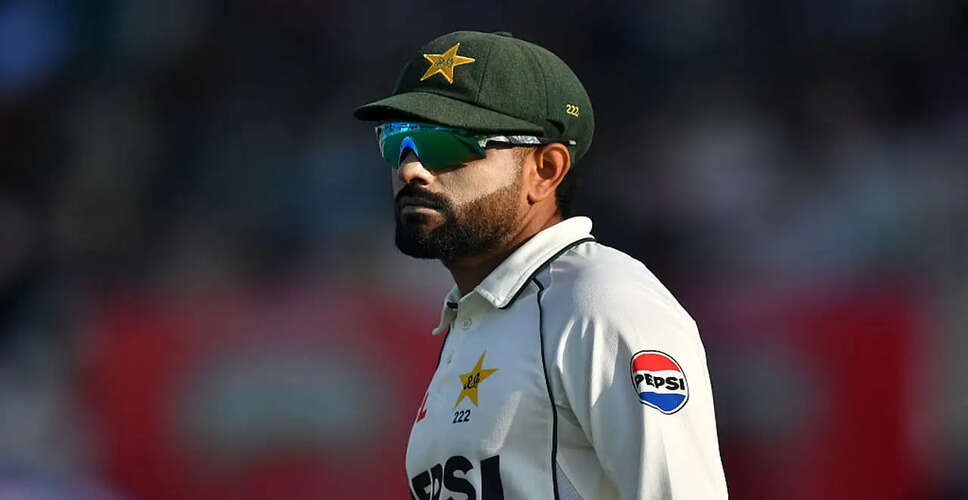

Babar Azam Takes Charge Again
Babar Azam has been reinstated as the Test captain of Pakistan for the upcoming away series against West Indies and England. The two-match Test series against the West Indies is set to commence on July 25, followed by a three-match series in England from August 19 to September 13.
Reasons Behind Shan Masood's Dismissal
The Pakistan Cricket Board (PCB) selection committee made the decision to remove Shan Masood from the captaincy due to a series of disappointing performances. Under Masood's leadership, the team faced 12 losses in 16 Test matches, including a 0-2 defeat against Bangladesh, resulting in a mere 25% win rate.
Prior to the official announcement, it was widely speculated that Babar Azam would reclaim the captaincy, as the team sought stability and experience following a series of historic losses. Currently, Pakistan sits at the bottom of the World Test Championship (WTC) 2025-27 points table with a poor percentage of 8.33%, prompting the PCB to opt for a more experienced leader.
Shan Masood's Captaincy Challenges
Aaqib Javed, the high-performance director and a member of the selection committee, explained the rationale behind Masood's removal. He highlighted ongoing tactical issues and the inability to secure wins as key factors in the decision.
"The captain must ensure games are finished successfully. While some responsibilities lie with the team and selectors, the captain must also manage the team's over rate, make DRS decisions, and handle toss calls," Javed stated.
Despite Masood's individual performance being commendable, his leadership did not yield the expected results, leading the selectors to seek a new captain who could better guide the team.
Frequent Leadership Changes in Pakistan Cricket
Babar Azam's return marks the tenth leadership change for the Pakistan cricket team since November 2023. Over the past 20 months, the team has seen a rapid succession of captains across formats, including Babar, Shan Masood, Shaheen Shah Afridi, Mohammad Rizwan, and Salman Ali Agha, in a bid to restore form.
After stepping down following Pakistan's exit from the ODI World Cup 2023, Babar's absence from captaincy lasted until now. The PCB has faced criticism for its lack of a long-term strategy, as it continues to cycle through captains in response to poor performances.
Fan Reactions to Babar's Reappointment
The decision to reappoint Babar Azam has sparked mixed reactions among fans and cricket enthusiasts on social media. While some welcomed his return, believing he is the best option available, others criticized the PCB's frequent changes in leadership, likening it to a game of 'musical chairs.'
Many fans expressed concerns about the board's long-term vision and questioned the rationale behind the constant reshuffling of captains, suggesting it reflects instability rather than a clear plan for the future of Pakistan cricket.
Upcoming Challenges for Babar Azam
As Babar Azam resumes his role as Test captain after nearly three years, he faces significant challenges. With Pakistan currently at the bottom of the WTC table, the upcoming series against West Indies and England will be crucial in determining whether this leadership change can lead to a much-needed turnaround.
During his previous tenure, Babar led Pakistan in 20 Tests, achieving 10 wins, 6 losses, and 4 draws, giving him a win percentage of 50%. This makes him the third-most successful Test captain in Pakistan's history, following Waqar Younis and Saleem Malik.