
Australia's Socceroos: A Journey of Resilience and Multiculturalism at FIFA World Cup 2026

A Powerful Narrative of Resilience
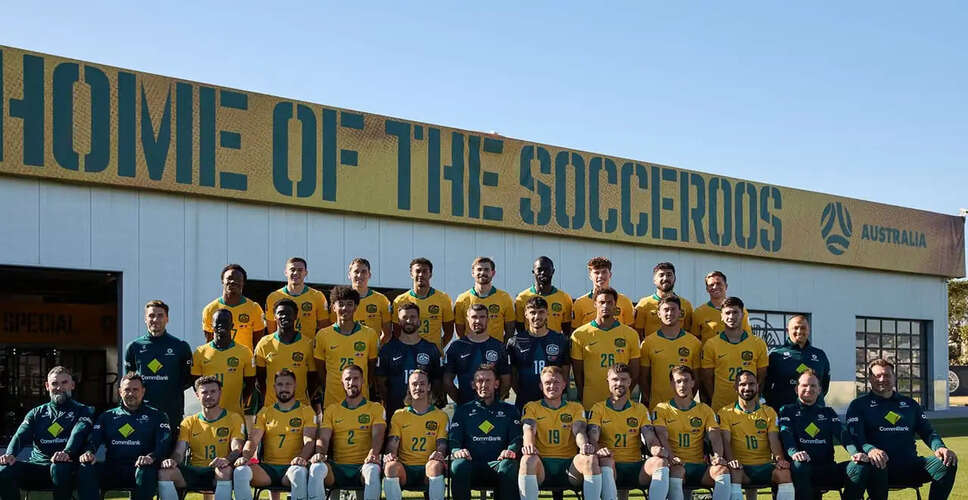
Australia's journey in the FIFA World Cup 2026 is set to showcase a compelling narrative of resilience and multicultural achievement. The Socceroos are gearing up to face Turkey on Sunday, featuring several players born to refugee families. Notable forwards Mohamed Toure and Nestory Irankunda, along with seasoned winger Awer Mabil, symbolize a new wave of footballers whose families escaped conflict in Africa and found a new home in Australia.
Emerging Talents in the Squad
Head coach Tony Popovic is likely to depend on the youthful talents of 22-year-old Toure and 20-year-old Irankunda as Australia aims to secure the necessary goals to advance from the group stage. Both players were born in refugee camps after their families were uprooted by war, ultimately settling in Australia.
Spotlight on Mohamed Toure
Toure, who was born in a refugee camp in Guinea to Liberian parents, has risen to become Australia's leading striker despite having limited international exposure. The Norwich City forward arrives at the World Cup in excellent form, following a successful stint in England's second division.
Mohamed Toure’s @Coles #MiniRoos Journey: From grassroots dreams at @CroydonKingsFC to representing the #Socceroos ➡️ The 22-year-old’s story is built on community, sacrifice, family, and humility as he prepares to play on football’s biggest stage. This is his journey…
pic.twitter.com/2zKFDnjANV — CommBank Socceroos (@Socceroos) June 11, 2026
Nestory Irankunda's Rise
Irankunda, who was born in a Tanzanian refugee camp to Burundian parents, has also become a vital part of the national team. After facing challenges following his transfer to Bayern Munich, the dynamic winger rejuvenated his career at Watford and quickly became a fan favorite due to his exciting playing style.
Awer Mabil's Journey
Mabil's background is even more extensive. The 30-year-old spent part of his early years in a Kenyan refugee camp after his family fled the civil war in Sudan. After nearly two years away from the national team, he has fought his way back and is now one of the experienced players in the squad as he approaches his second World Cup.
A Transforming Landscape in Australian Football
These three players are part of a significant evolution in Australian football. The current World Cup squad includes six players of African descent, double the number from the 2022 tournament. Notably, four of these athletes developed their skills in Adelaide, a city that has emerged as a surprising center for African-Australian football talent. The strong community support and youth development initiatives in the city have fostered a new generation of players now representing Australia on the world stage.