
Asian Games Set for Major Schedule Shift to Odd-Numbered Years

Proposed Changes to the Asian Games Schedule
The Asian Games may transition to odd-numbered years starting in 2031, a move aimed at aligning the event more closely with the Olympic cycle. This adjustment is expected to enhance the significance of the Games, placing them within a year of the Olympics and turning them into a vital platform for athlete qualification and preparation for the global event. If this proposal is enacted, the 2031 Asian Games will be a pivotal occasion leading up to the 2032 Brisbane Olympics.
However, the upcoming editions of the Games will proceed as scheduled. The Asian Games 2026, set to take place in Japan this September-October, will not be affected. The proposed changes are anticipated to commence with the 2030 edition in Doha, which will be postponed by a year. Following this, the Games will maintain their traditional four-year cycle but will occur in odd-numbered years.
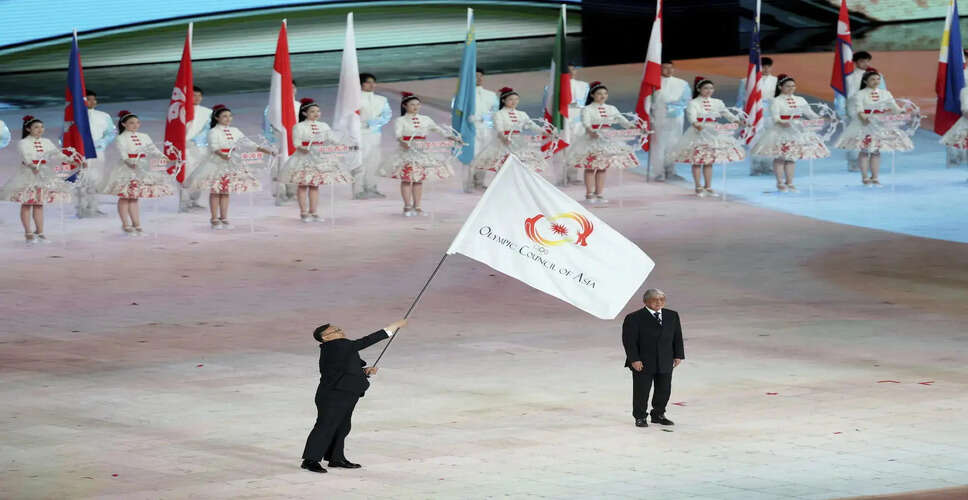
This proposal has garnered support from the Olympic Council of Asia (OCA), whose executive board has endorsed the idea, allowing for further discussions with international sports federations. According to China's state news agency Xinhua, these discussions will broaden to ensure alignment with global sports organizations.
Details indicate that this concept was discussed during an OCA meeting in Sanya, a resort city in China currently hosting the Asian Beach Games, highlighting the urgency of the restructuring. Song Luzeng, vice president of the OCA, explained the rationale, stating, “It would allow the Asian Games to serve as a qualifying event for the Olympics, providing elite athletes with more competition opportunities and elevating the overall standard of the Games.”
This shift could have significant implications for athletes, federations, broadcasters, sponsors, and host nations, all of whom would need to adjust their long-term strategies. For athletes across Asia, this change promises a more cohesive competitive pathway, bridging the gap between continental and global competitions while raising the stakes at the Asian level.
The Asian Games is the largest sporting event in Asia, often featuring more participants than the Olympics. A change in its scheduling could redefine its role in the global sports calendar and its impact on the Olympic movement.