
Addressing Gender Imbalance in Major League Pickleball's DreamBreakers

The Rise of Women in Pickleball
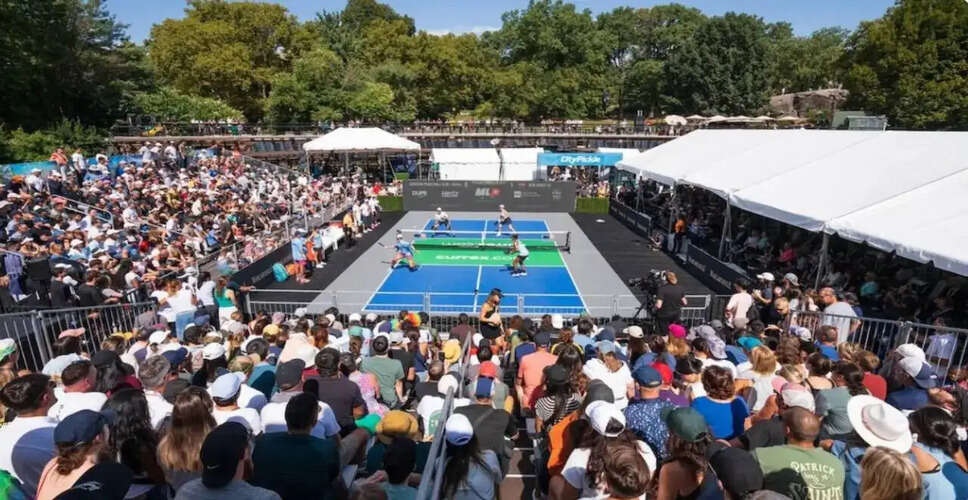
Women are leading the charge in the growing popularity of pickleball, with 19-year-old Anna Leigh Waters emerging as the sport's most followed player on Instagram, boasting 218,000 followers. In contrast, the top male player, Ben Johns, has 186,000 followers. However, this shift in popularity is not fully mirrored in Major League Pickleball (MLP), the premier professional league in the U.S. MLP's innovative team format promotes equality, featuring men's doubles, women's doubles, and mixed doubles matches to ensure balanced participation. Yet, the final DreamBreaker, which determines the outcome of the tie, often sees male players competing against each other, overshadowing female athletes at critical moments.
The DreamBreaker Format and Its Challenges
In MLP, a DreamBreaker is a rotating singles match where players switch every four points until one team reaches 21 points. Although the league mandates equal representation with two men and two women per team, the reality often skews towards men playing more matches. This imbalance is evident, as men typically account for about 60% of the points in a close DreamBreaker, such as a 20-19 finish.
This disparity arises from teams prioritizing their strongest male singles players early in the lineup. Anna Bright, a prominent player, highlighted that the DreamBreakers tend to favor men, which skews strategy and outcomes.
A Shift from Gender-Neutral Matches
Initially, MLP featured gender-neutral matches in DreamBreakers, creating memorable moments. Bright reminisced about thrilling encounters, such as Lee Whitwell's victory over Dekel Bar. However, as teams began to strategize for same-gender matchups, the frequency of these exciting cross-gender battles diminished.
Bright argues that these matchups create a unique dynamic in sports, akin to the historic Bobby Riggs versus Billie Jean King match. She believes the league should encourage more of these encounters to enhance the competitive spirit.
Proposed Changes for Greater Equality
Bright suggests a simple yet effective change to the current DreamBreaker format. Instead of the home team announcing their lineup first, they should declare the matchups. This would allow teams to respond strategically, potentially leading to more diverse and unpredictable matchups.
For instance, in a recent DreamBreaker between the St. Louis Shock and the New Jersey 5s, the proposed format could have allowed for exciting pairings like Waters against Hayden Patriquin, or Bright facing Noe Khlif, fostering a truly gender-neutral league.
The Importance of Change
Implementing gender-neutral matchups could significantly enhance the entertainment value of MLP ties while also elevating women's visibility in crucial moments. Bright emphasizes that this change does not require major alterations to the league's structure, merely a shift in how teams utilize their players.
Bright is confident that these adjustments would benefit the league, leading to more male versus female matchups and allowing women to take the lead more often. This evolution could introduce new strategies and dynamics to the game, making it more engaging for fans and players alike.
As MLP continues to develop, Bright's proposal raises an essential question: Can the league embrace a more strategic approach while empowering women to play a pivotal role in deciding match outcomes?