
Why Spiders Don't Get Caught in Their Own Webs

Understanding Spider Webs
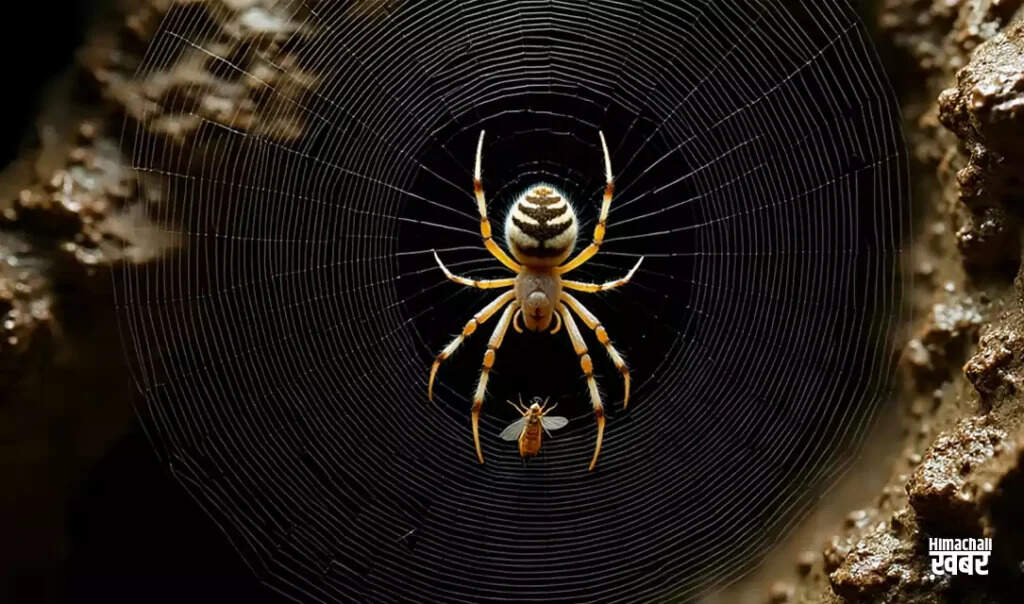
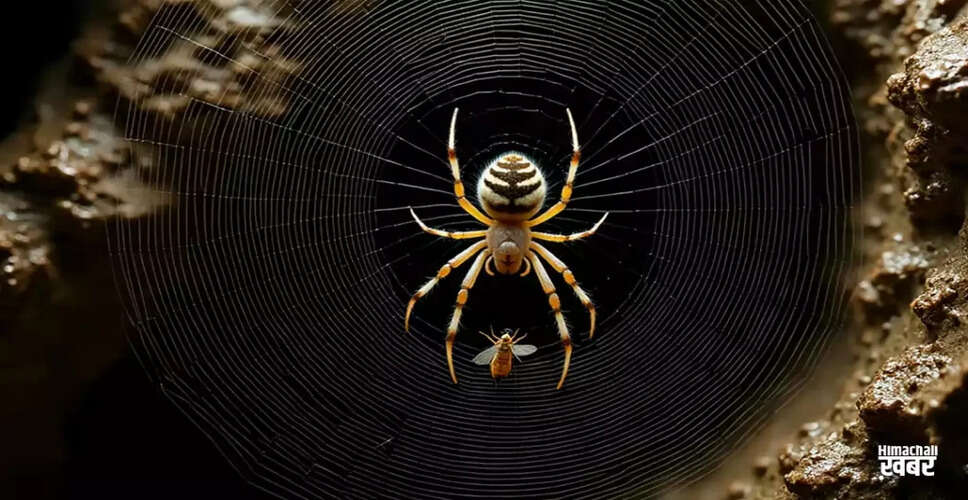
Spiders are a common sight in many households, and their webs often become a nuisance. These webs serve a crucial purpose for spiders, as they use them to trap large insects, which are their primary food source. However, have you ever wondered why spiders do not get ensnared in their own webs? The answer is quite fascinating.
Crafting Webs for Hunting
Spiders primarily feed on flies, mosquitoes, and various insects. To catch their prey, they skillfully weave webs. When an unsuspecting insect wanders into the web, it becomes hopelessly trapped, allowing the spider to feast on it.
Unique Patterns of Spider Webs
Each spider has its own distinctive method of web construction. With billions of spiders on Earth, the patterns of their webs vary significantly, which is why insects frequently fall victim to them.
Two Types of Silk Used in Webs
Spiders utilize two types of silk to create their webs. The first type is non-sticky, while the second is adhesive. For their living spaces, spiders weave webs using the non-sticky silk, which does not trap insects. In contrast, when they use the sticky silk, insects easily become ensnared.
How Spiders Avoid Their Own Traps
The structure of a spider's legs is quite unique. They possess two finger-like projections beneath their feet, which help them navigate their sticky webs without getting caught. Interestingly, spiders struggle to walk on their own sticky webs, but they cleverly avoid this by not placing their entire foot on the adhesive strands. This unique walking technique prevents them from becoming ensnared in their own traps.
Vulnerability to Other Spiders' Webs
Another intriguing fact is that while spiders do not get caught in their own webs, they can easily become trapped in webs created by other spiders. This occurs because they are unfamiliar with the web patterns of different spider species.