
US Imposes Heavy Duties on Indian Solar Imports: What It Means for the Industry
Significant Duties on Solar Goods
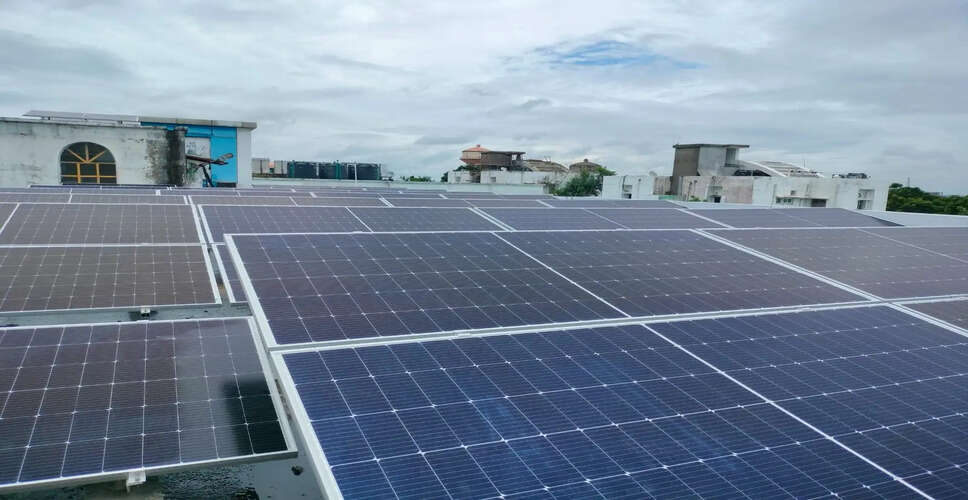
New Delhi: The United States has declared a preliminary countervailing duty of 125.87% on specific solar products imported from India, citing that these items receive unfair subsidies from the Indian government.
Additionally, the US has set varying duties on imports of 'Crystalline Silicon Photovoltaic Cells, Whether or Not Assembled into Modules' from both Indonesia and Laos.
On February 24, 2026, the US Department of Commerce revealed its initial affirmative findings in the countervailing duty investigations concerning crystalline silicon photovoltaic cells from India, Indonesia, and Laos, according to a US order.
These new duties differ from the 10% tariffs imposed by the previous Trump administration on all countries starting February 24.
The report indicates that solar imports from India to the US surged to $792.6 million in 2024, a significant rise from $83.86 million in 2022.
Unless there are delays, the final decision regarding these countervailing duty investigations is expected to be announced on July 6, 2026. The Commerce Department is also conducting simultaneous anti-dumping duty investigations for solar cells from India, Indonesia, and Laos.
Countervailing duties are designed to shield domestic companies from the adverse effects of subsidized imports.